 English
 Türkçe

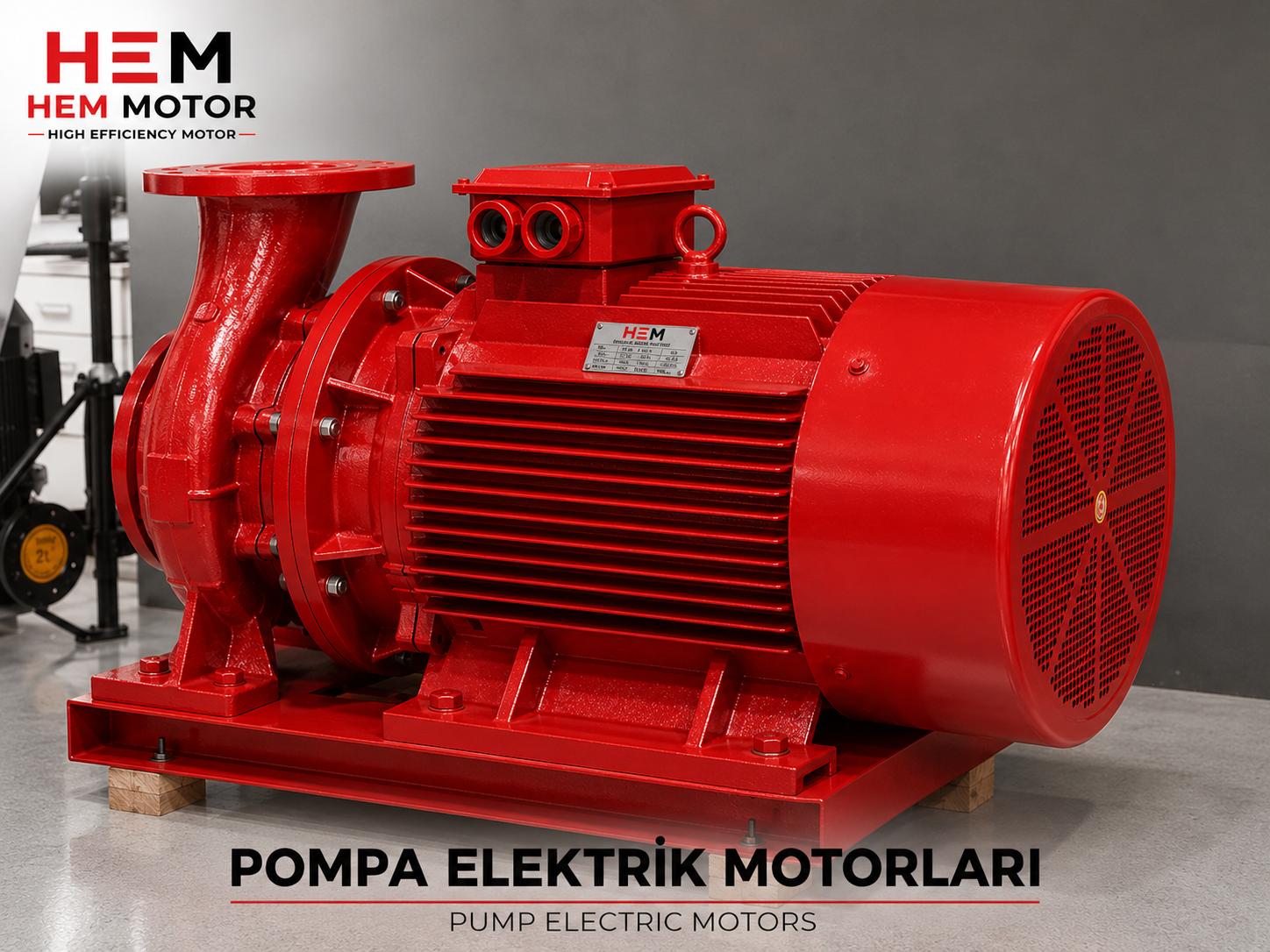
For food businesses seeking a reliable supply source and the tomato paste and canning plant electric motor price, the season decides everything. Plants producing tomato paste, pepper paste, pickles, fruit juice and vegetable canning operate with production concentrated in certain months of the year, which means motors must turn at high capacity, without stopping, in a short period. Every unit, from washing and screening pumps to evaporators and mixers, from filling lines to aspiration, depends on a correctly selected electric motor. HEM Motor supplies pump, fan and mixer motors specific to food plants from stock and from the manufacturer, with fast quotes for electric motor prices.
In tomato paste and canning production, motor selection is not only a matter of power; hygiene, corrosion resistance, washdown suitability and continuity under seasonal heavy load are evaluated together. On this page we explain, in a sales-focused tone, which motor is used in which unit of the food plant, the hygiene and IP protection requirements, and the fast supply that meets the season process.
Units Using Motors in a Tomato Paste and Canning Plant
A tomato paste line consists of dozens of motorised units, from raw tomato intake to filling and packaging. In washing channels and screening stations pump electric motors, in pulper and refiner lines mixer drives, in the evaporator circulation and vacuum pumps, in filling and capping machines small-power servo-like drives, and finally in aspiration and cooling fan motors are at work. For the whole picture of hygiene and correct motor selection in a food plant, our article on food factory electric motors: hygiene, IP protection and correct selection offers a comprehensive framework.
For those wanting to examine the special units of the paste, canning and juice line (pulper, evaporator pump, filling) in detail, our guide on tomato paste, canning and juice plant electric motors explains the motor logic suited to each unit.
Washing, Screening and Pump Line: The Heart of Continuous Flow
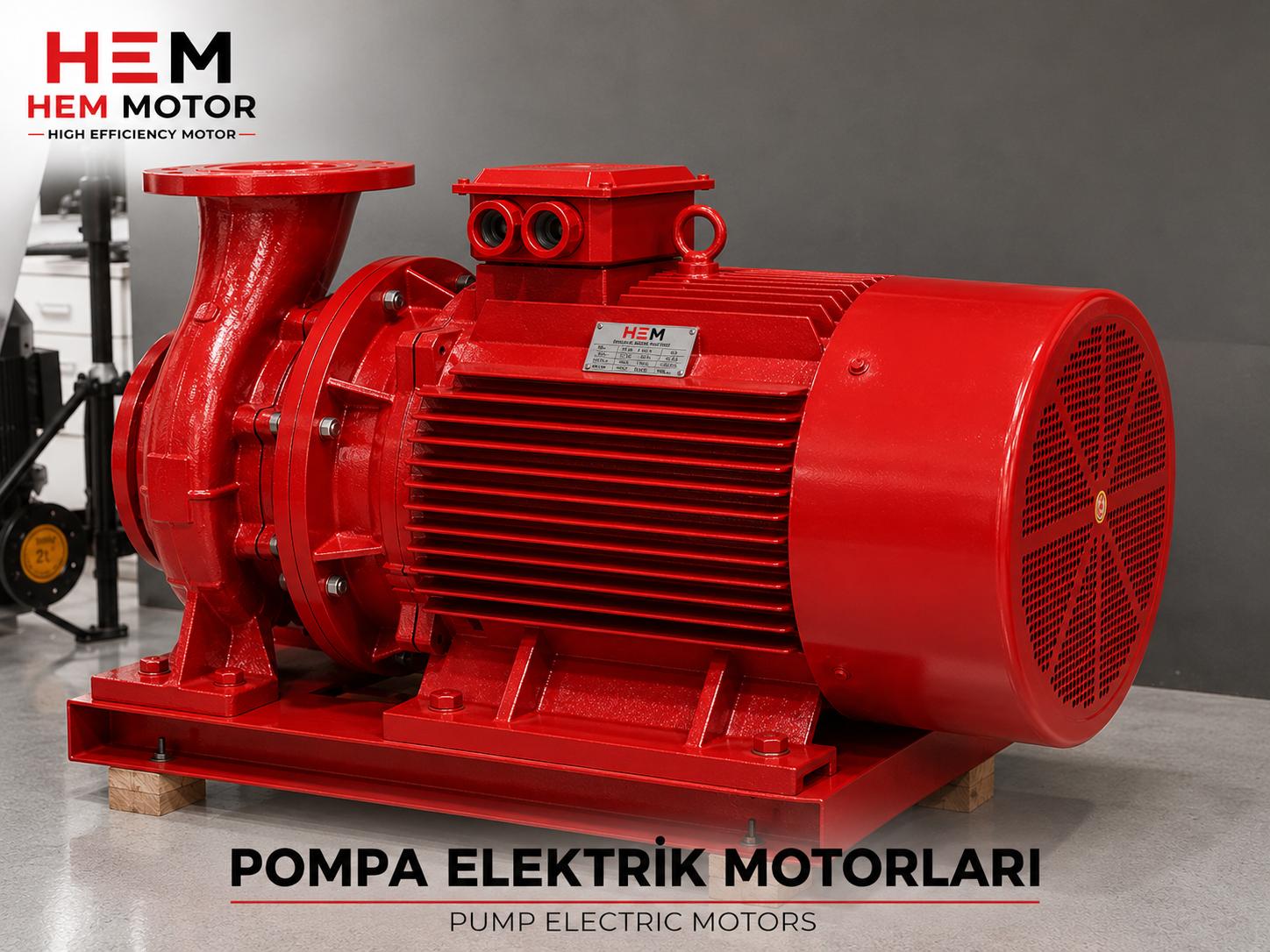
In tomato paste production tomatoes are first washed, then screened and turned into pulp. The centrifugal pumps that transfer water and pulp on these lines run almost without stopping throughout the season. Therefore the pump motor must be both efficient and durable under continuous load. Our pump electric motors family is offered in powers and speeds suited to the washing and transfer needs of the food line. For correct power selection in a centrifugal pump motor by flow and head, our article on centrifugal pump motor selection: flow, head and power matching shows the way.
Hygiene, Stainless and Washdown Resistance: Essentials of the Food Plant
In a food plant motors are regularly washed with high-pressure water and disinfectant. So standard IP55 protection is often insufficient; washable, corrosion-resistant and, where needed, IP65/IP66 or even IP69K protected motors are preferred. For correct motor selection in a high-pressure cleaning environment, our article on IP69K protection: high-pressure washdown and correct motor selection in a hygienic plant gives critical information. Our article detailing food-grade hygienic design in pump and fan motors, food-grade hygienic design in pump and fan motors, also clarifies your selection process.
| Unit | Motor Type | Priority Feature |
|---|---|---|
| Washing and screening | Centrifugal pump motor | Continuity, IP protection |
| Pulper and mixer | Mixer drive motor | High torque, durability |
| Evaporator | Circulation/vacuum pump motor | Continuous load, thermal margin |
| Filling and capping | Small-power drive motor | Precision, hygiene |
| Aspiration and cooling | Fan motor | Flow, quiet operation |
Correct Power in Mixer and Evaporator Drives
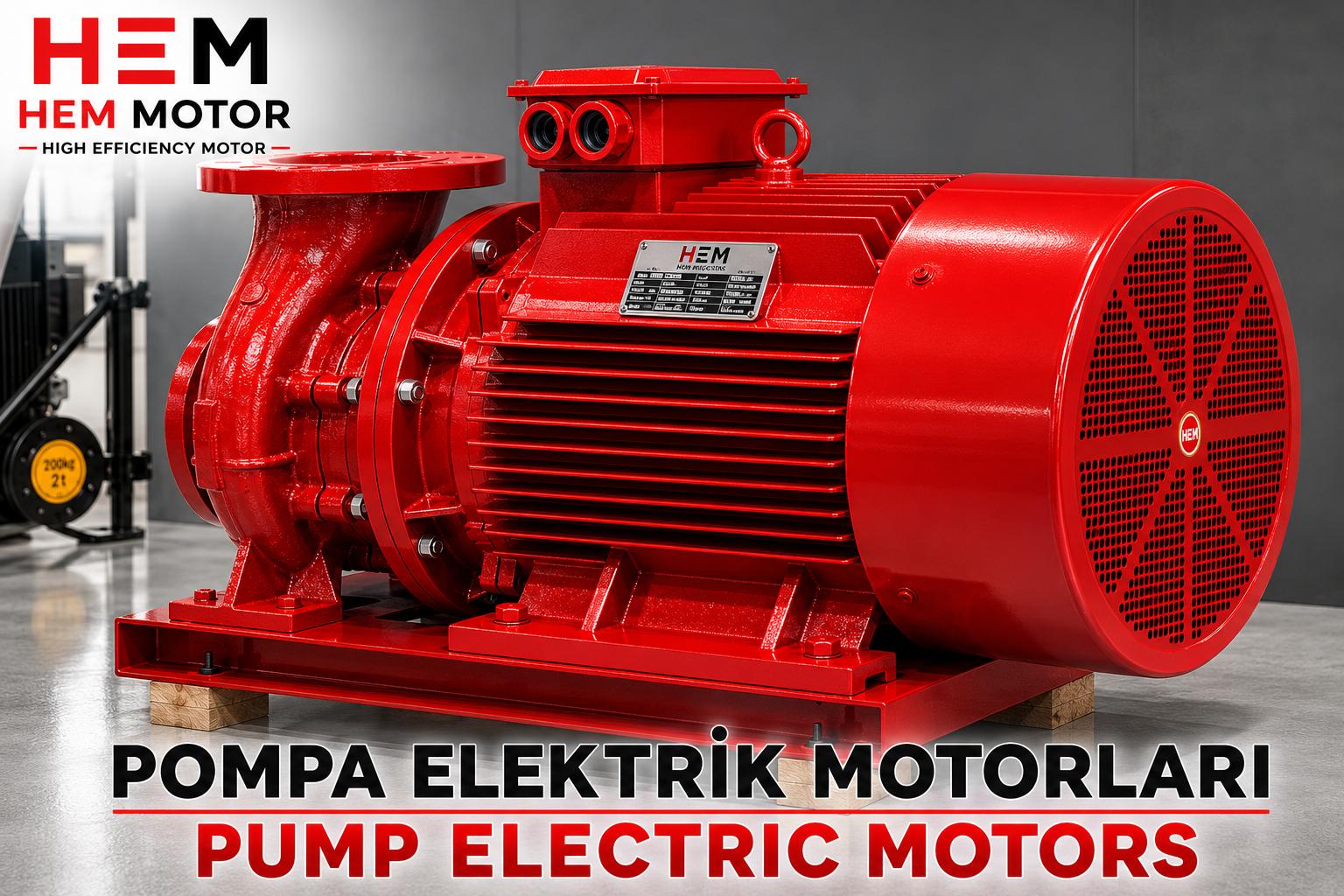
As paste is concentrated, evaporators use circulation and vacuum pumps, while mixers use drives needing low speed and high torque. Since these units run in continuous duty, the motor's heat management and efficiency class become important. In continuous processes IE4 high-efficiency electric motors lower energy cost, while in broad use IE3 efficient electric motors offer a balanced price-performance. As part of fire safety, fire pump electric motors are also a complementary need across the plant.
Seasonal Intensive Production and Fast Supply Plan
The tomato paste and canning season is short and delay is not tolerated. A pump motor that fails mid-season can stop the whole line and cause daily production loss. So keeping spares of critical motors in stock is an insurance for food plants. HEM Motor provides fast supply that meets the season by keeping the most failure-prone powers of the food line in stock. To plan which powers to keep on hand, our article on the critical spare motor list and stock planning helps.
Fast shipment from stock is possible to regions where the food industry is dense. For an example of regional supply to the food and machinery industry, you can look at our article on Corum industrial zone electric motor supply.
| Season Risk | HEM Motor Solution |
|---|---|
| Line stoppage | Sale from stock in critical powers |
| Washdown damage | IP65/IP66 washable motor |
| Energy cost | IE3/IE4 efficiency class selection |
| Lead-time pressure | Fast quote and shipment from the manufacturer |
Wastewater and Water Treatment: The Invisible Line of the Food Plant
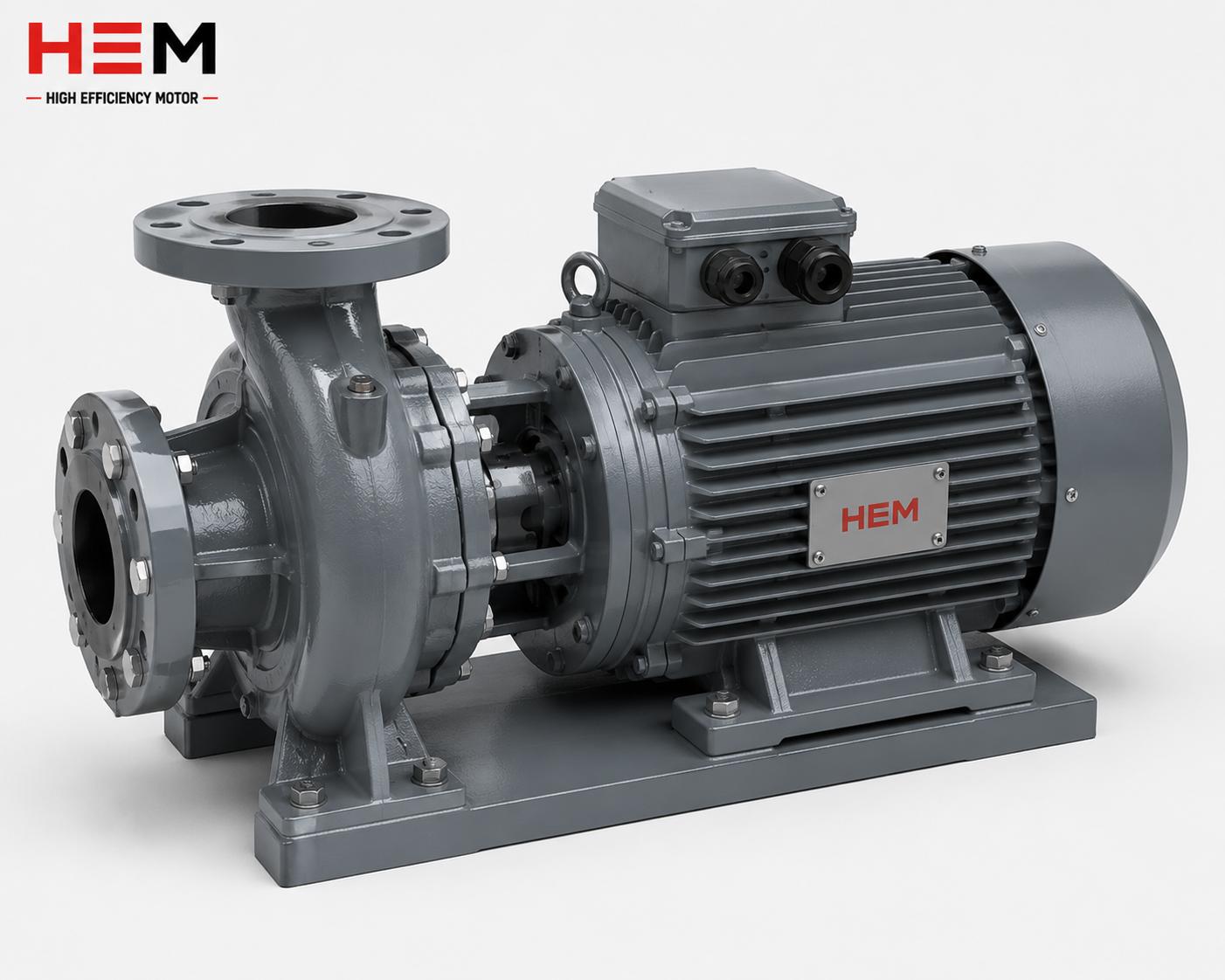
In tomato paste and canning plants, process water and wastewater management is as critical as production. Blowers, mixers and transfer pumps run continuously in treatment basins. For this line our article on water treatment and wastewater plant motors: blower, mixer and pump explains the correct motor selection. For fan and aspiration needs across the plant, our industrial fan motors family is a complementary solution.
Extending Motor Life in a Constantly Washed Environment
In a food plant the motor's biggest enemy is the moisture and steam that seep inside. Condensation forms inside a motor that cools when stopped, which leads to insulation weakening in the winding and corrosion in the bearing. To reduce this risk, an anti-condensation heater (space heater), a quality oil seal and the correct IP protection are evaluated together. Our article on shaft oil seal and V-ring seal types explains the importance of oil seal selection in a constantly wet and washed environment. Correct sealing directly affects motor life during the paste season.
Units needing high torque such as mixers and pulpers run under frequent start-stop and variable load. This way of working increases motor heating, so the duty type and thermal protection must be chosen correctly. To compare thermal protection alternatives, our article on bimetal klixon, PTC and PT100 thermal protection comparison is useful. Correct protection prevents an unexpected motor failure mid-season.
Correct Selection in Aspiration, Steam and Cooling Fans
On the tomato paste and canning line, cooking and sterilization stages produce intense steam and heat, which makes aspiration and cooling fans critical. For selecting fan motors working under high temperature and dust, our article on flue gas and ID fan motor selection: high temperature, dust and continuous operation shows the way. For ventilation needs across the plant, our ventilation electric motors family offers suitable solutions.
- Oil seal and V-ring: Sealing and bearing protection in wet environments
- Anti-condensation heater: Preventing condensation in a stopped motor
- Thermal protection (PTC/PT100): Protecting the winding under overload
- Stainless bolt and shaft: Resistance against corrosion
- Smooth-surface body: Easy cleaning and hygiene
Supply Contract and Spares Assurance
For large tomato paste and canning plants, a supply relationship that provides spares assurance throughout the season is more sensible than a one-off purchase. Keeping critical motors in stock minimises the risk of line stoppage. HEM Motor works on a project basis with food plants to plan together which powers to keep as spares. Our article on mining motor supply contracts: spares and critical stock assurance, which applies the same logic in continuity-critical sectors such as mining, offers an exemplary approach for food plants too.
For the pump and transfer needs of the food line, IE3 efficient electric motors and high-efficiency alternatives are evaluated together to balance both initial investment and operating cost. Correct motor selection is the most solid guarantee of uninterrupted production during season intensity.
Frequently Asked Questions
Which motors fail most in a tomato paste plant?
The centrifugal pump motors on the washing and transfer line are the most frequently renewed units because they run in a constantly wet environment under high load. Keeping these powers as spares in stock prevents line stoppage.
Which IP protection class is needed in a food plant?
Standard IP55 is sufficient in most dry areas; but in wet zones with high-pressure washing IP65/IP66, and in direct pressurised washing IP69K protected motors should be preferred.
Should I procure paste motors before the season?
Yes. Because the season is short and intensive, procuring critical motors before the season and keeping spares in stock is the safest approach for production continuity.
Is a stainless body motor mandatory?
In zones directly contacting product or constantly washed, corrosion-resistant and washable motors are recommended. In dry and protected areas a standard cast iron body may suffice.
What determines the price-performance balance?
Power, speed, IP protection class, efficiency class (IE3/IE4) and quantity are evaluated together. When you send your request these parameters are clarified and a fast quote is offered; no fixed figure appears on the page.
To procure the right motors that meet your tomato paste and canning season, clarify your unit, power and IP protection needs and request a fast quote through HEM Motor. With the supply advantage from stock and from the manufacturer, your line stays safe throughout the season.