 English
 Türkçe

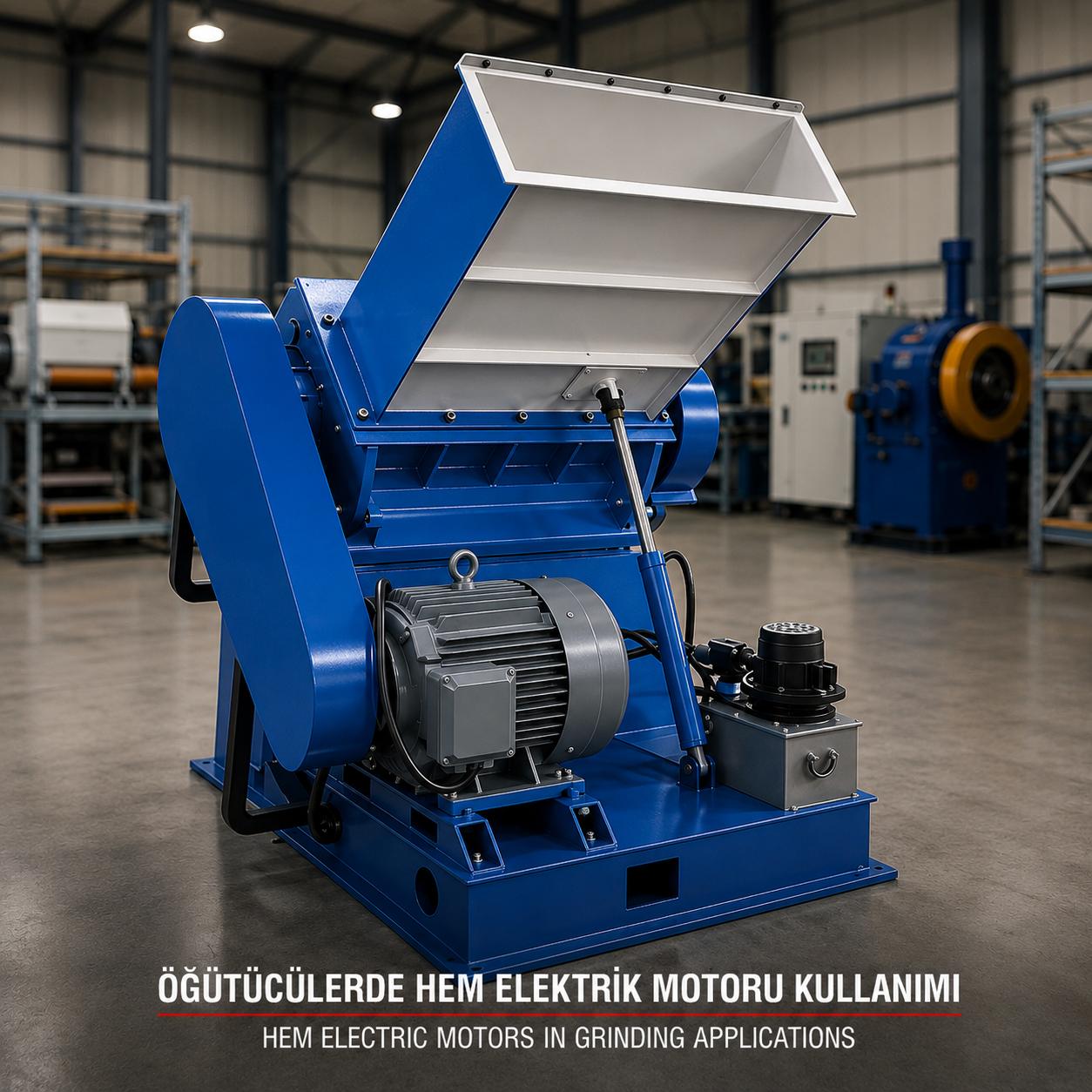
For producers seeking a reliable sale source and the glass industry and factory electric motor price, glass presents one of the most demanding working environments. Furnace fans running at high temperature, raw material (silica sand, soda, lime) grinding and mixing lines, conveyors carrying hot glass and dust aspiration systems all rely on electric motors that turn continuously under heavy-duty, harsh conditions. HEM Motor supplies high-temperature-resistant, dust-suited motors matching this heavy-duty need of glass factories from stock and from the manufacturer, with fast quotes for electric motor prices.
In glass production, motor selection is made considering the ambient temperature, dustiness and continuous operating load. On this page we explain, in a sales-focused tone, which motor is used in which unit of the glass factory, the high-temperature and heavy-duty requirements, and the sale of motors durable for factory conditions process.
Main Units Using Motors in a Glass Factory
Glass production consists of many motorised units in a chain stretching from raw material preparation to forming and cooling. In raw material preparation crusher and grinder drives, in batch preparation mixers, in the furnace zone feeding the melt high-temperature fans, in the post-forming annealing furnace (lehr) conveyor drives, and across the plant dust-collection aspiration fans are at work. For selecting motors operating in high-temperature environments, the logic of high-temperature-resistant asynchronous motor selection offers a valid framework for the glass furnace surroundings too.
Raw material grinding and crushing lines are among the most punishing parts of the glass factory. For the crusher and mill drives used on these lines, our stone crushing and screening plant motors family offers solutions resistant to heavy duty and impact load.
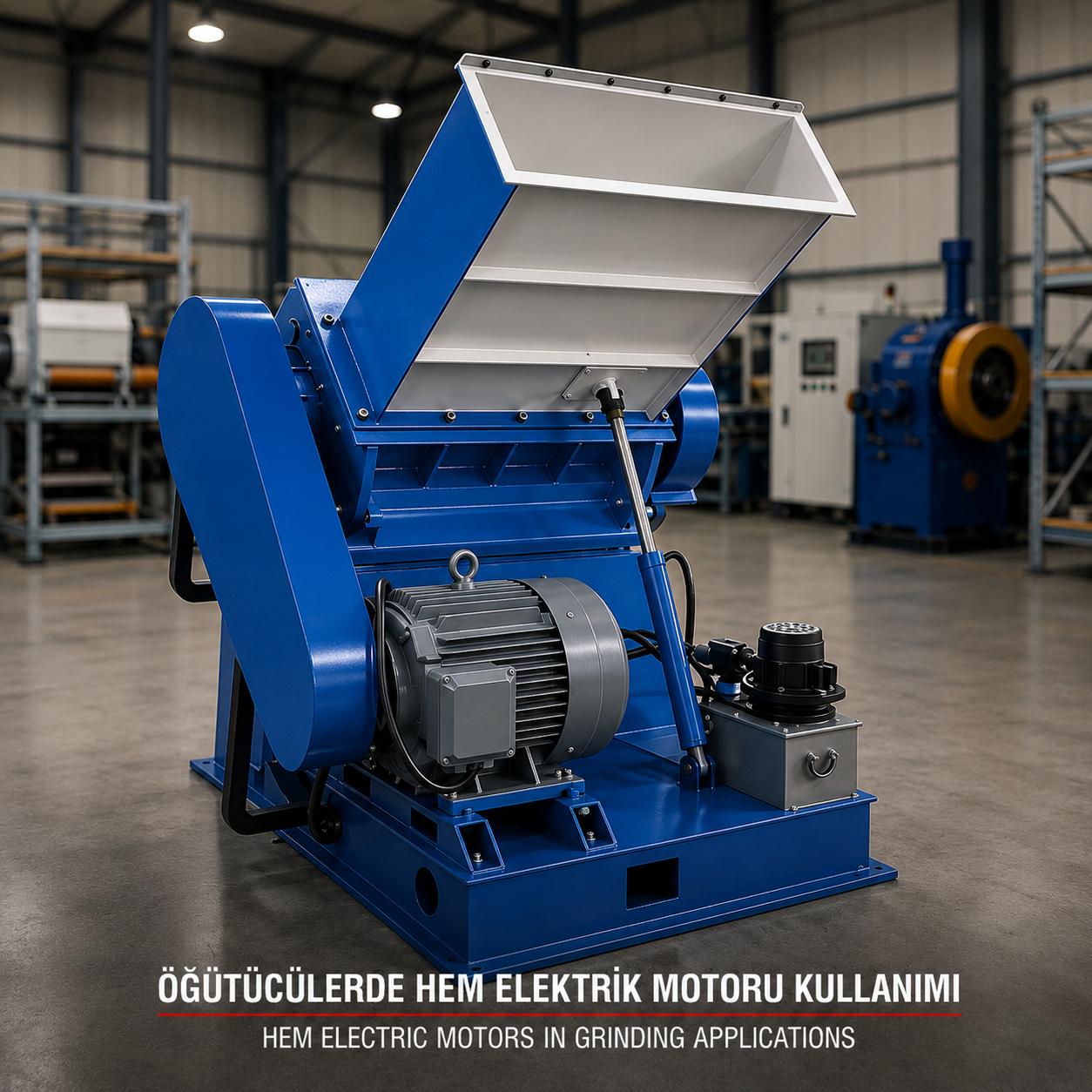
Raw Material Grinding and Mixing: Durability Under Impact Load
Grinding and blending silica sand, soda and lime strains the motor under impact and continuous load. In this application high starting torque and heavy-duty durability take priority. For correct power selection by crusher type, our article on crusher motor kW selection: power by jaw, impact and cone crusher shows the way. To understand the flywheel and inertia effect under impact load, our article on motor selection under impact load: flywheel, inertia and drive is a useful resource. For mining-like heavy duty, our mining sector electric motors family is also a suitable alternative.
High Temperature and Furnace Fans: The Most Critical Motors of the Glass Industry
The fans and exhausters operating around the glass furnace are exposed to high ambient temperature. In these motors the insulation class, cooling design and thermal margin are critically important. Class F or H insulation and a suitable cooling method determine the motor's life in a hot environment. To understand the power reduction (derating) calculation at high ambient temperature, our article on enclosed space and ambient temperature derating offers a basic framework. For fan and aspiration needs across the plant, our ventilation electric motors family contains solutions suited to a glass factory.
| Unit | Motor Type | Priority Feature |
|---|---|---|
| Raw material grinding | Crusher/mill drive motor | High torque, impact resistance |
| Batch mixing | Mixer drive motor | Continuity, dusty environment |
| Furnace fan | High-temperature fan motor | Thermal margin, insulation class |
| Annealing (lehr) conveyor | Conveyor drive motor | Continuous load, quiet operation |
| Dust aspiration | Aspiration fan motor | Flow, dust sealing |
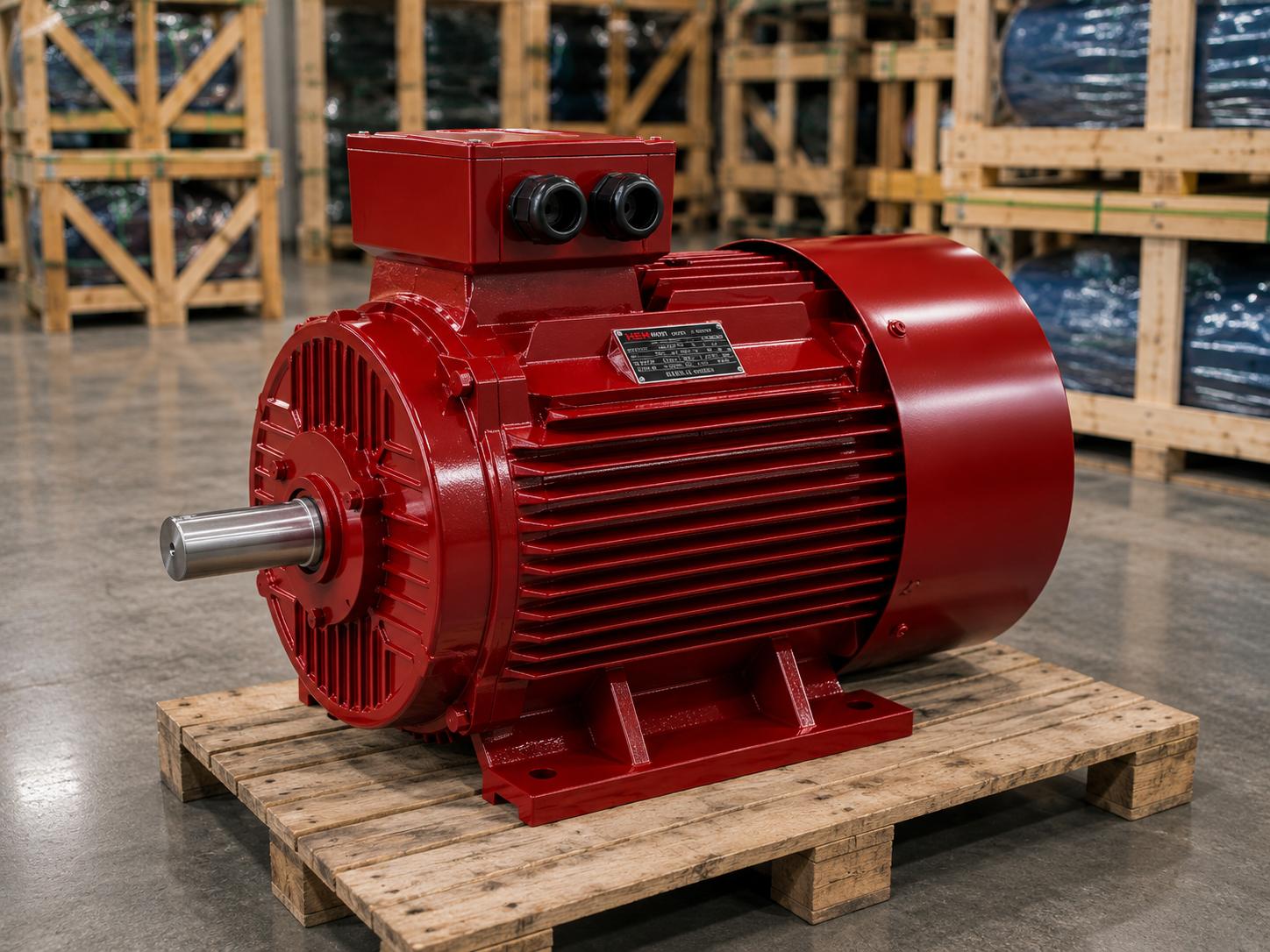
Continuous Drive on the Conveyor and Annealing Line
Formed hot glass is carried on conveyors as it passes through the annealing furnace (lehr). These conveyor drives must run continuously and smoothly; a sudden stop or speed fluctuation causes product loss. For heavy-duty conveyor drive under continuous load, our conveyor belt electric motors family offers suitable solutions. We examined the advantages of a cast iron heavy-duty conveyor motor in our article on cast iron heavy-duty conveyor drive motor.
Protection in a Dusty Environment: IP Class and Sealing
In a glass factory raw material dust and broken glass dust are the motor's biggest threat. Dust clogs the cooling fins, leaks into the bearing and leads to insulation weakening in the winding. So in a dusty environment IP55 and above protection, a closed fan cowl and regular cleaning are essential. For dust sealing and IP65/IP66 protection, our article on dust sealing and IP65/IP66 protection in a crusher motor is a valid guide for the glass factory environment too. Between IE3 efficient electric motors for broad use and IE4 high-efficiency electric motors for continuous processes, we determine the right price-performance balance together.
| Environment Risk | HEM Motor Solution |
|---|---|
| High temperature | F/H insulation, thermal margin |
| Raw material dust | IP65/IP66 protection, closed fan cowl |
| Impact load | Cast iron body, high torque |
| Continuous operation | IE3/IE4 efficiency class, durable bearing |
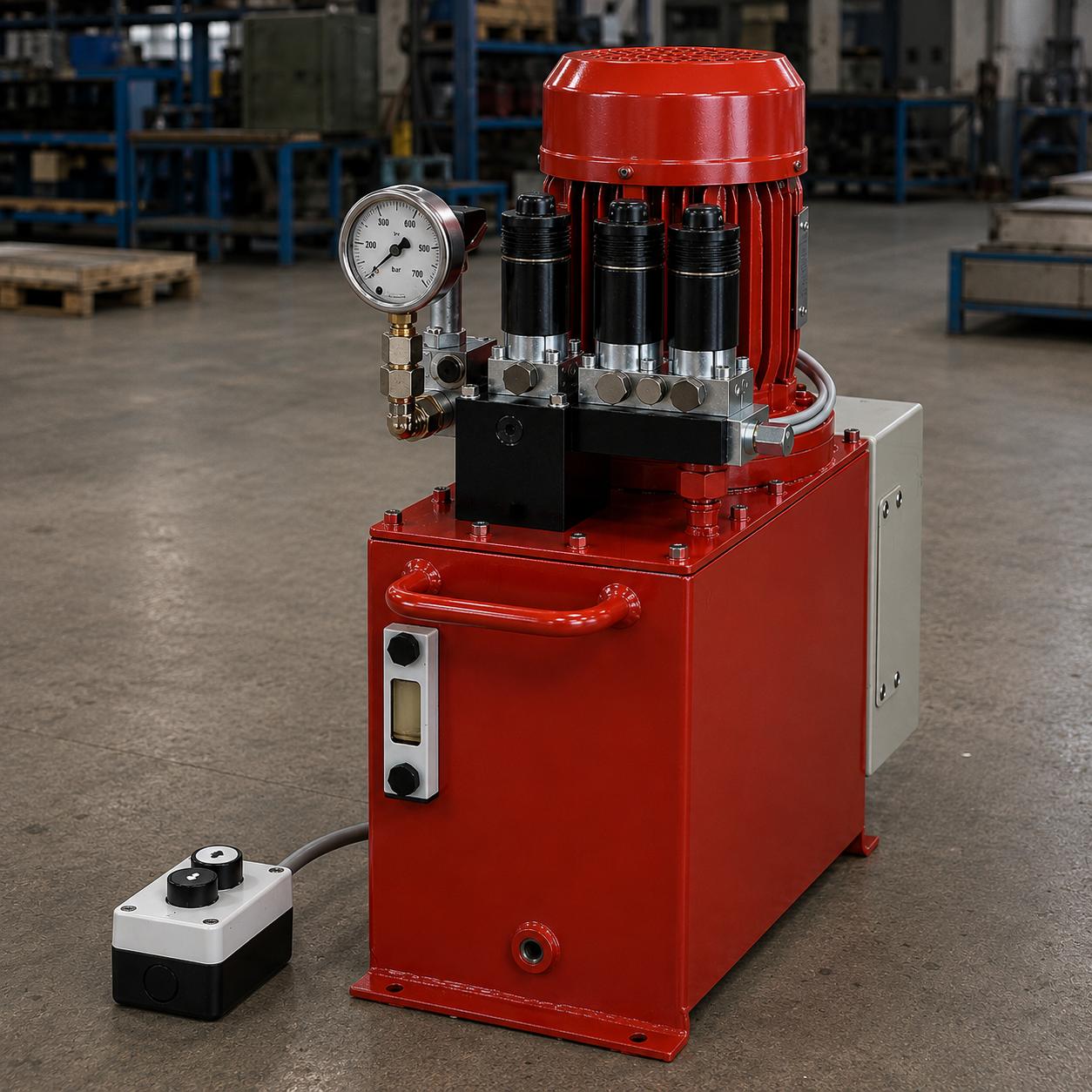
Heavy Duty and Continuity: The Supply Logic of the Glass Industry
A glass furnace runs without stopping for years, so the failure of motors around the furnace affects all production. Since continuity is critical, keeping spares of critical motors in stock is very important. HEM Motor provides fast sale and supply by keeping the most critical powers of glass factories in stock. To plan which powers to keep on hand, our article on the critical spare motor list and stock planning shows the way. For general industrial drive needs, our general-purpose industrial motors family is a complementary solution.
Starting and Cooling: Healthy Start Under Heavy Load
In a glass factory raw material mills and large fans have high inertia; the inrush current drawn in direct starting strains both the motor and the grid. So star-delta, soft starter or drive starting is preferred. To compare starting methods in crusher and mill drives, our article on starting a crusher motor: soft starter, star-delta and direct start shows the way. The right starting method preserves the motor's life and mechanical durability under heavy load.
In motors running at continuous full load, overheating is the most common cause of failure. In a high-temperature environment like a glass factory, cooling design becomes even more critical. For cooling and overheating management at continuous full load, our article on motor cooling and overheating: continuous full-load operation is a useful resource. When needed, an external forced cooling fan provides a solution for continuous torque at low speed.
Bearing Life: Impact, Dust and Lubrication
The impact and dusty environment of a glass factory directly affects bearing life. When dust seeps into the grease, lubrication degrades and the bearing wears early. So the correct grease type, regular lubrication and dust sealing must be planned together. We covered the factors affecting bearing life in crusher and mill motors in our article on bearing life in crusher and mill motors: impact, dust and lubrication. These principles apply to the grinding and mixing lines of the glass factory too.
- High starting torque: Healthy start at high inertia
- F/H insulation: Thermal margin at high temperature
- Dust-tight seal: Bearing and winding protection
- Regular greasing: Bearing life in impact and dusty environments
- Solid cast iron body: Vibration damping and durability
Supply and Spares: The Insurance of Glass Production
A glass furnace is a process that cannot be stopped, so spares of critical motors around the furnace are the foundation of production safety. Our article on mining motor supply contracts: spares and critical stock assurance explains how supply contracts and spares assurance are structured in continuity-critical sectors; a similar approach can be applied to the glass industry. Our article showing the use of mill, fan and conveyor motors in cement and similar heavy industry, cement factory electric motors: mill, fan and conveyor, also sheds light on glass factory units.
For heavy duty and dusty environments, our cast iron body electric motors family offers a strong foundation for glass factory units in terms of durability and continuous operation. Correct motor selection is the most solid guarantee of uninterrupted glass production.
Frequently Asked Questions
Which motors work in the harshest conditions in a glass factory?
The high-temperature fans around the furnace and the raw material grinding drives work in the harshest conditions. In these motors the insulation class, cooling and dust protection must be evaluated together.
Which insulation class is needed in a high-temperature environment?
Around the glass furnace Class F insulation is often the basic requirement; in hotter zones Class H insulation and a suitable cooling method are preferred. Power reduction (derating) by ambient temperature is also taken into account.
Which IP protection is suitable for a dusty environment?
In the dusty zones of the glass factory at least IP55, and in areas with heavy dust and glass dust IP65/IP66 protected motors are recommended. A closed fan cowl and regular cleaning extend motor life.
Can I procure glass industry motors from stock?
Yes. Because the most used power and speed combinations are kept in stock, fast sale and shipment are possible after order confirmation. When you send your request, the stock status and a fast quote are presented together.
What determines the price-performance balance?
Power, speed, temperature resistance (insulation class), IP protection and efficiency class (IE3/IE4) are evaluated together. When you send your request these parameters are clarified and a fast quote is offered; no fixed figure appears on the page.
To procure motors suited to your glass factory's heavy-duty and high-temperature needs, clarify your unit, power, temperature and IP protection requirements and request a fast quote through HEM Motor. With the sale advantage from stock and from the manufacturer, your production continues uninterrupted.