 English
 Türkçe

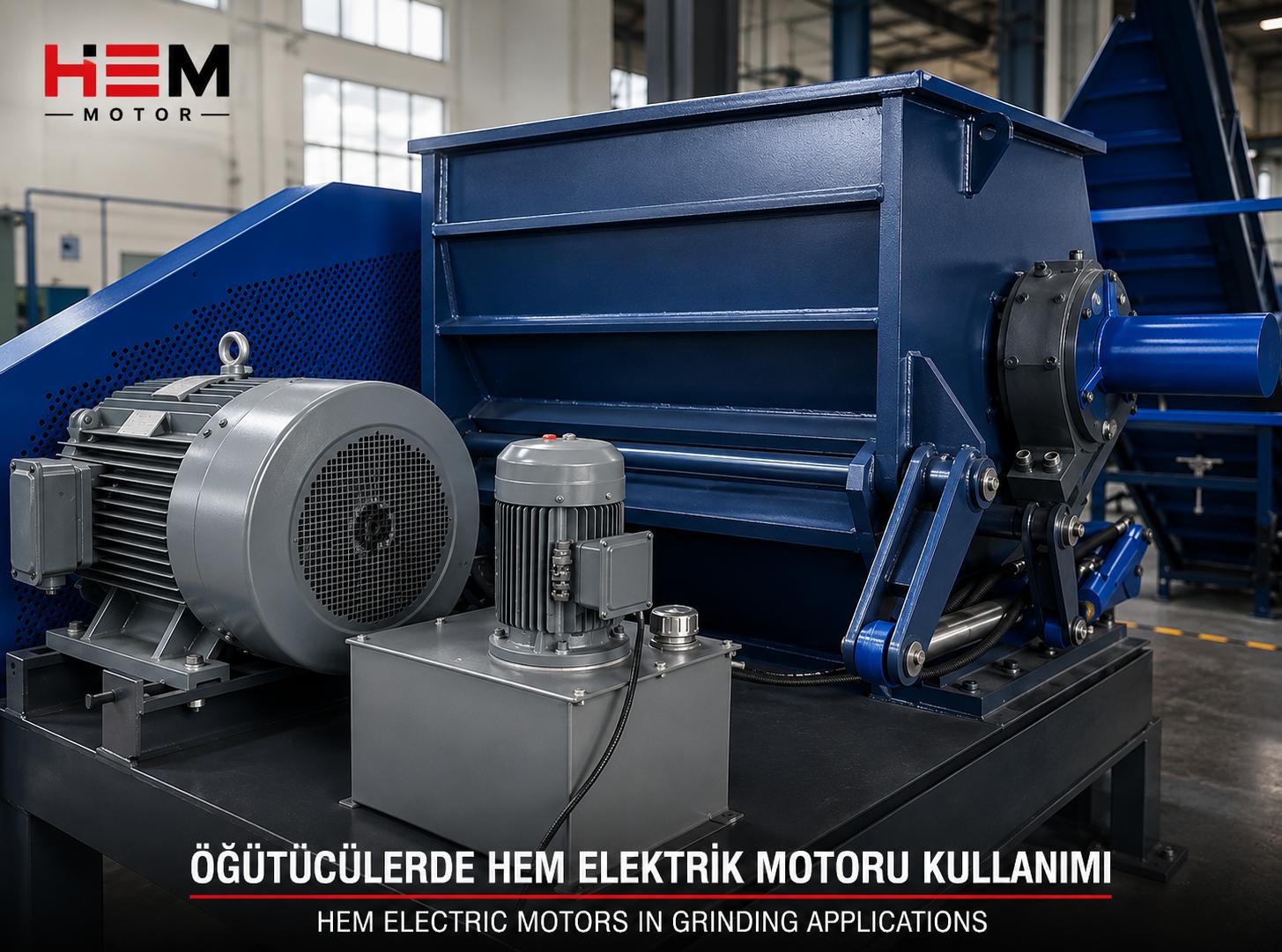
A ceramic factory is one of the toughest sites for an electric motor: constant dust, heavy load, abrasive raw material and lines that never stop. An unexpected stop of a raw-material grinding mill or a press motor halts the entire production line. If you are researching the ceramic factory electric motor price and supply time, you are in the right place. As HEM Motor, we prepare electric motors resistant to dust and heavy-duty conditions for every stage of ceramic production with manufacturer discipline, and supply them through in-stock sale and fast quotation without disrupting your production plan. From ball mills to mixers, from presses to kiln fans and conveyors, we examine every point on this page from a buyer's perspective.
Motor selection in ceramic plants is not just about power; it is about dust sealing, continuous-duty endurance and the right starting method. A wrong choice comes back as frequent failure and downtime cost. You can explore our heavy-duty and mining range together with current electric motor prices on our homepage, then request a fast quote tailored to your plant.
Stages Where the Motor Comes In During Ceramic Production
Ceramic production consists of many interconnected stages, from grinding the raw material to firing the final product. Each stage expects a different character from the motor:
- Raw-material grinding: grinding clay, quartz and feldspar with a ball mill; demands high starting torque and heavy duty.
- Mixing: low speed and continuous torque in slip mixers.
- Pressing: frequent start-stop and high instantaneous load in hydraulic press motors.
- Drying and kiln fan: fan drive requiring high temperature and continuous flow.
- Conveyor: drives carrying material along the line, running in a dusty environment.
Each of these stages requires a different pole, frame and protection class. We covered how to select mill, fan and conveyor motors in heavy dust environments like cement and ceramics in our article on cement factory electric motors.
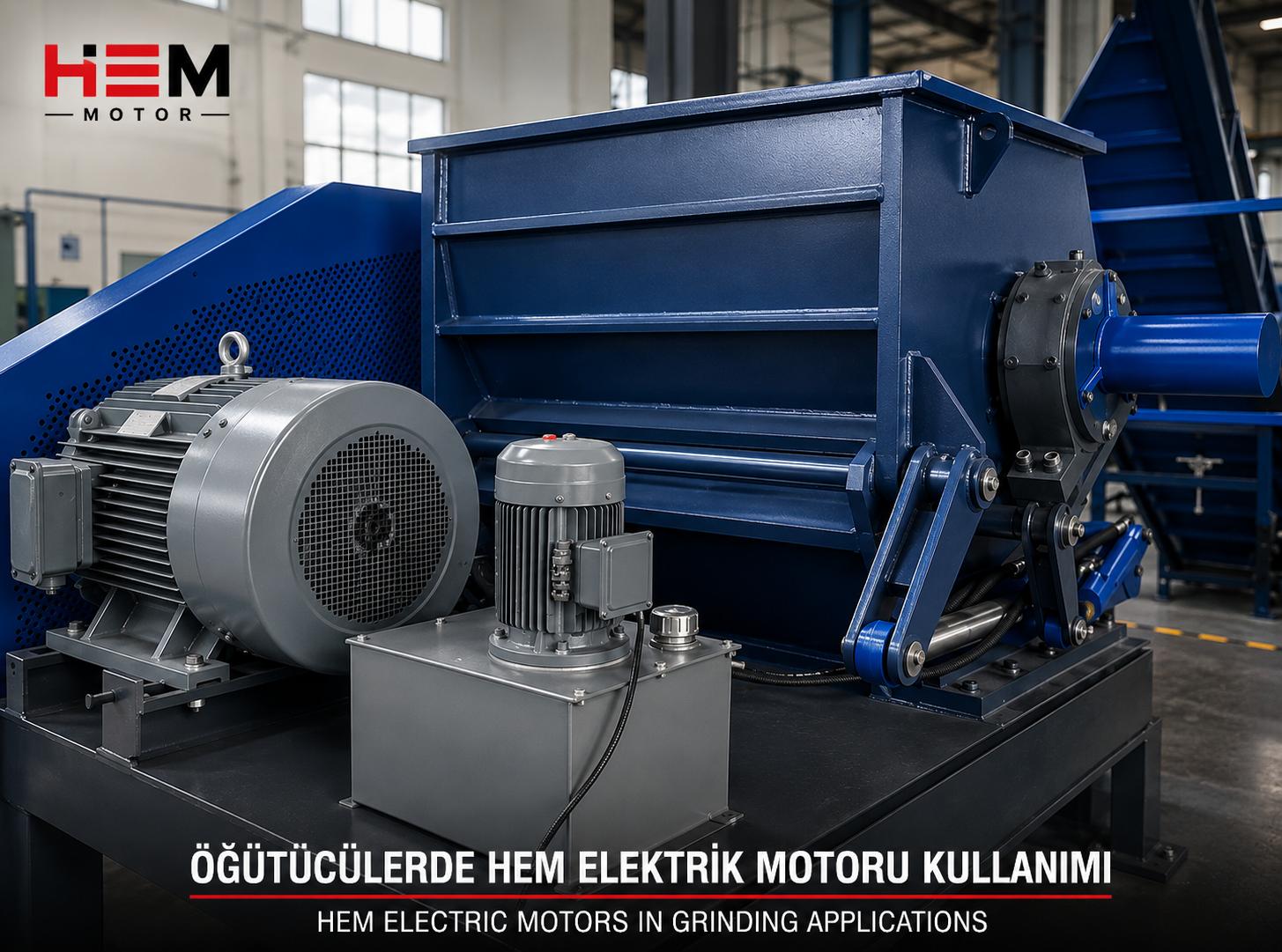
Ball Mill Main Drive Motor
The heart of ceramic raw-material preparation is the ball mill. Turning a drum loaded with tonnes of balls and raw material demands very high starting torque and continuous heavy duty from the motor. Restarting from standstill is the moment the motor is stressed most; that is why a starting method suited to high inertia and the right power selection are critical. Because it runs in a dusty environment, the motor's protection class and bearing sealing also determine its life.
| Stage | Load Character | Priority Motor Feature |
|---|---|---|
| Ball mill | High inertia, heavy duty | High starting torque, IP65/IP66 |
| Slip mixer | Continuous low speed | High pole count, continuous torque |
| Hydraulic press | Frequent start-stop | Thermal endurance, S-duty compatibility |
| Kiln fan | High temperature, continuous | Thermal endurance, IE3/IE4 efficiency |
You can find how to select a ball and rod mill main drive motor by its high starting torque in our article on ball and rod mill main drive motor selection. You can explore our dedicated product range for mining and heavy-duty applications on our mining sector electric motor page.
Dust Sealing and IP Protection Class
The air of a ceramic factory is full of fine raw-material dust. This dust seeps into the bearing and winding of a standard motor and shortens its life. That is why upgraded protection classes such as IP65/IP66 are almost mandatory in ceramic plants. High protection blocks both dust ingress and pressurised-water washing. Bearing seals, terminal box sealing and winding insulation are the fundamentals of preventing early failure in a dusty environment.
- IP65/IP66: upgraded protection against fine dust ingress and washing.
- Strong bearing seals: prevent dust and abrasives reaching the bearing.
- F/H insulation: thermal margin and long life in high ambient temperatures.
- PTC/PT100: thermal protection with winding temperature monitoring.
We covered motor protection and the IP65/IP66 approach on dusty sites in our article on dust sealing and IP65/IP66 protection in crusher motors. The same principle applies to ceramic factory mill and conveyor motors.
Starting, Efficiency and Downtime Cost
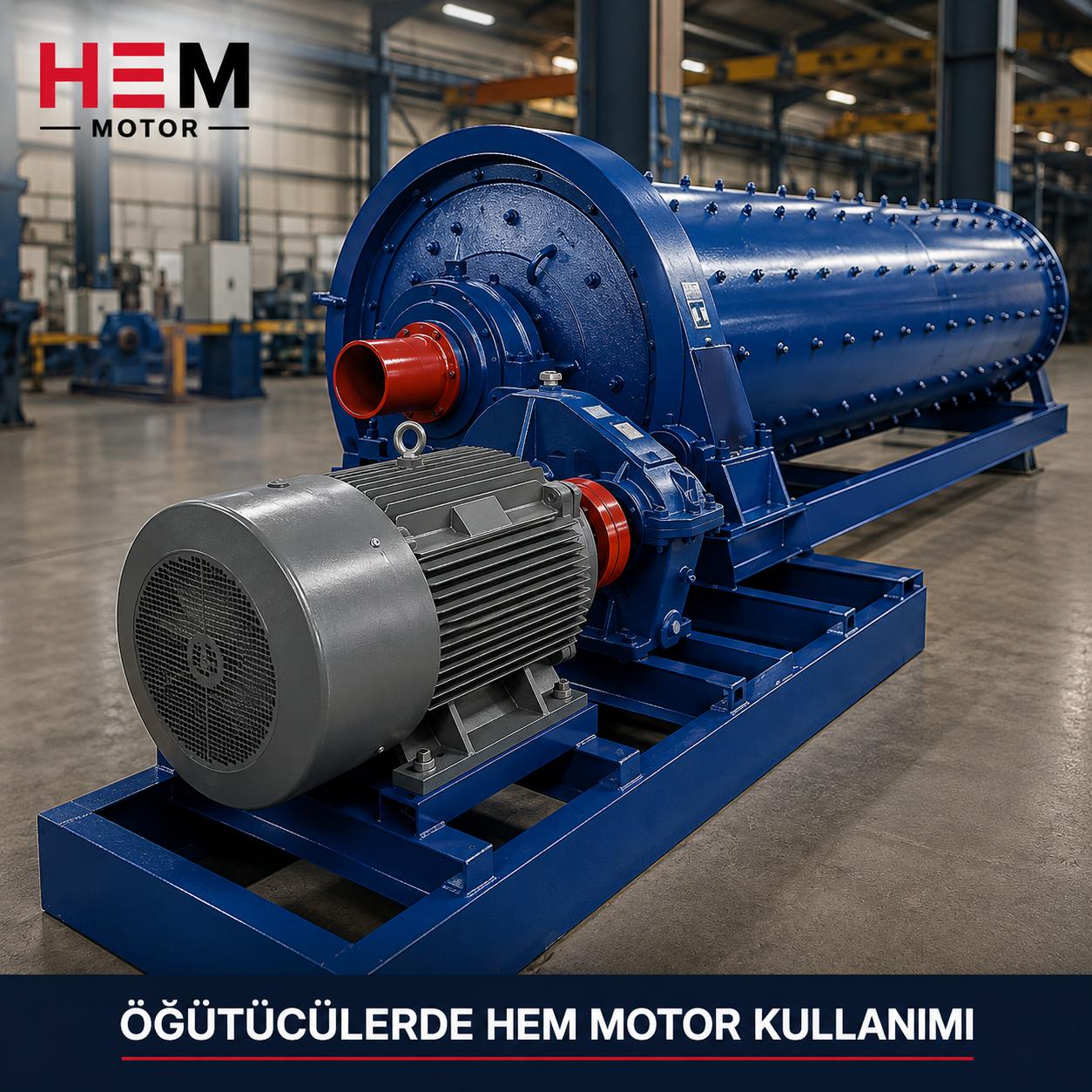
In a ceramic factory, a stopped motor means a stopped production line; that is why downtime cost is a line item far beyond the motor price. On high-inertia mill motors, a soft starter or VFD reduces the starting shock and extends the life of mechanical parts. On continuously running fans and conveyors, the IE3/IE4 efficiency class permanently lowers the annual energy bill.
We compared soft starter, star-delta and direct-on-line methods for starting crusher and mill motors in our article on starting a crusher motor. The right starting method protects both the motor and the connected mechanical components and reduces unplanned stops.
Kiln Fan and Ventilation Motors
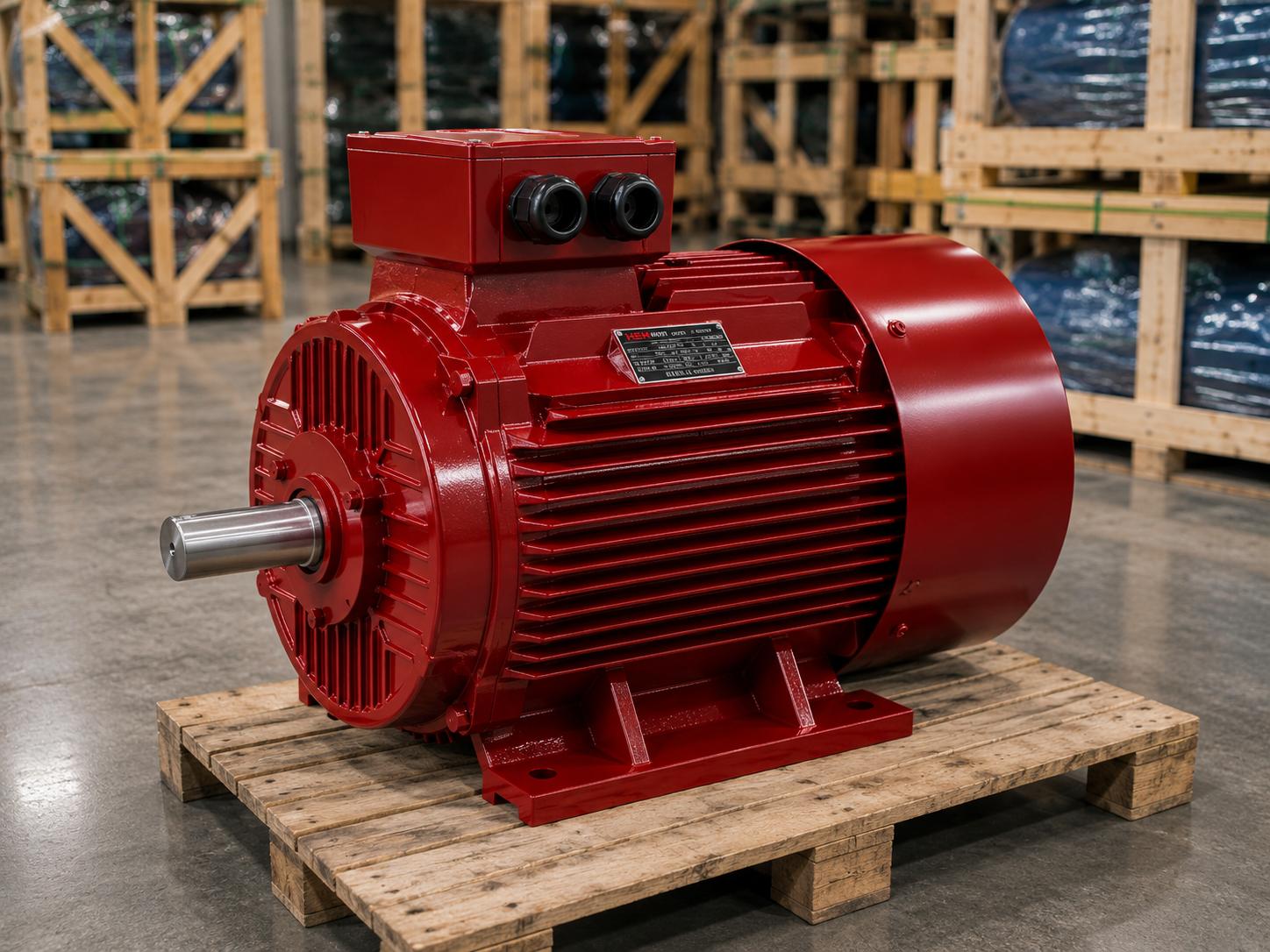
In ceramic production, kiln, dryer and flue-gas fans are critical auxiliary equipment. These fans run under high temperature and continuous flow; their motors must be carefully selected for thermal endurance and efficiency. In flue-gas and ID fan applications, high temperature, dust and continuity come together. You can explore our dedicated product range for ventilation and fan applications on our ventilation electric motors page.
You can find how to select a flue-gas and ID fan (aspirator) motor in high-temperature, dusty environments in our article on flue-gas and ID fan motor selection. The right fan motor directly affects your kiln efficiency and stack emission control.
Conveyor, Feeder and Material-Handling Motors
In a ceramic plant, raw material, semi-finished goods and packaged product are carried along the line by belt conveyors and feeders. Although these motors do not require high power, protection class and endurance stand out because they run continuously in a dusty environment. Conveyor drives generally use a geared motor combination; the right output speed and torque ensure smooth, uninterrupted material transport. On vibrating feeders, vibration motors come into play.
You can explore the right motor-gearbox matching for conveyor and handling systems on our conveyor belt electric motors page. For motors used with a gearbox, the output speed selection directly determines the line's speed and efficiency. Gathering the motor needs of all handling points into one list both speeds up the supply process and lowers its cost.
Single-Source Supply and Spare Motor Plan
A ceramic factory is a large plant requiring motors for dozens of different duties. Buying these motors from different suppliers at different times raises both cost and the risk of incompatibility. As HEM Motor, we meet the motor needs of the whole line, from raw-material grinding to packaging, from a single source, make the equivalent selections and plan bulk supply with the in-stock sale advantage. Working with one supplier simplifies both technical support and spare-part management.
In a continuously running plant, keeping spares of critical motors is the most effective way to prevent unplanned stops. We covered how to reduce motor failure and downtime cost in a crusher and mill plant in our article on motor failure and downtime cost in a crusher plant. The same approach applies to ceramic factory mill and press motors; keeping critical powers in stock secures your production continuity.
Frequently Asked Questions
What does the ceramic factory electric motor price depend on?
The main factors are the stage (mill, mixer, press, fan, conveyor), power and pole count, protection class (IP65/IP66), efficiency class and starting need. When you share your plant's stages, we offer a fast quote with a price-performance balance suited to you.
Which IP protection class is needed in a ceramic plant?
Because of fine raw-material dust, upgraded protection classes such as IP65/IP66 are recommended in ceramic factories. This protection prevents dust seeping into the bearing and winding, extending motor life and reducing unplanned stops.
Why must a ball mill motor be special?
A ball mill is a heavy, high-inertia load and demands very high starting torque from the motor on restart. That is why a mill motor should be selected with high starting torque, heavy-duty endurance and a suitable starting method.
Can I source the whole factory's motors from a single supplier?
Yes. We gather the motor needs of all stages, from raw-material grinding to the kiln fan, into one list, make the equivalent selections and plan bulk supply with the in-stock sale advantage. We build a shipment timeline suited to your production schedule together.
Can you supply an equivalent for an existing motor?
When you share the nameplate data of the removed motor (power, speed, frame, mounting), we select the exact-fit equivalent without error. This enables fast installation with no extra drilling or adapter plate.
Fast Quote and Ceramic Factory Motor Supply
If you have settled your ceramic factory's motor needs, it is time for a fast quote. When you share the stage, power and protection class, we offer you the best price-performance balance with the in-stock sale advantage. To see the heavy-duty and mining motor range and current HEM Motor electric motor prices, visit our homepage and finalize your order in a single step. Uninterrupted ceramic production starts with the right motor.