English
 Türkçe

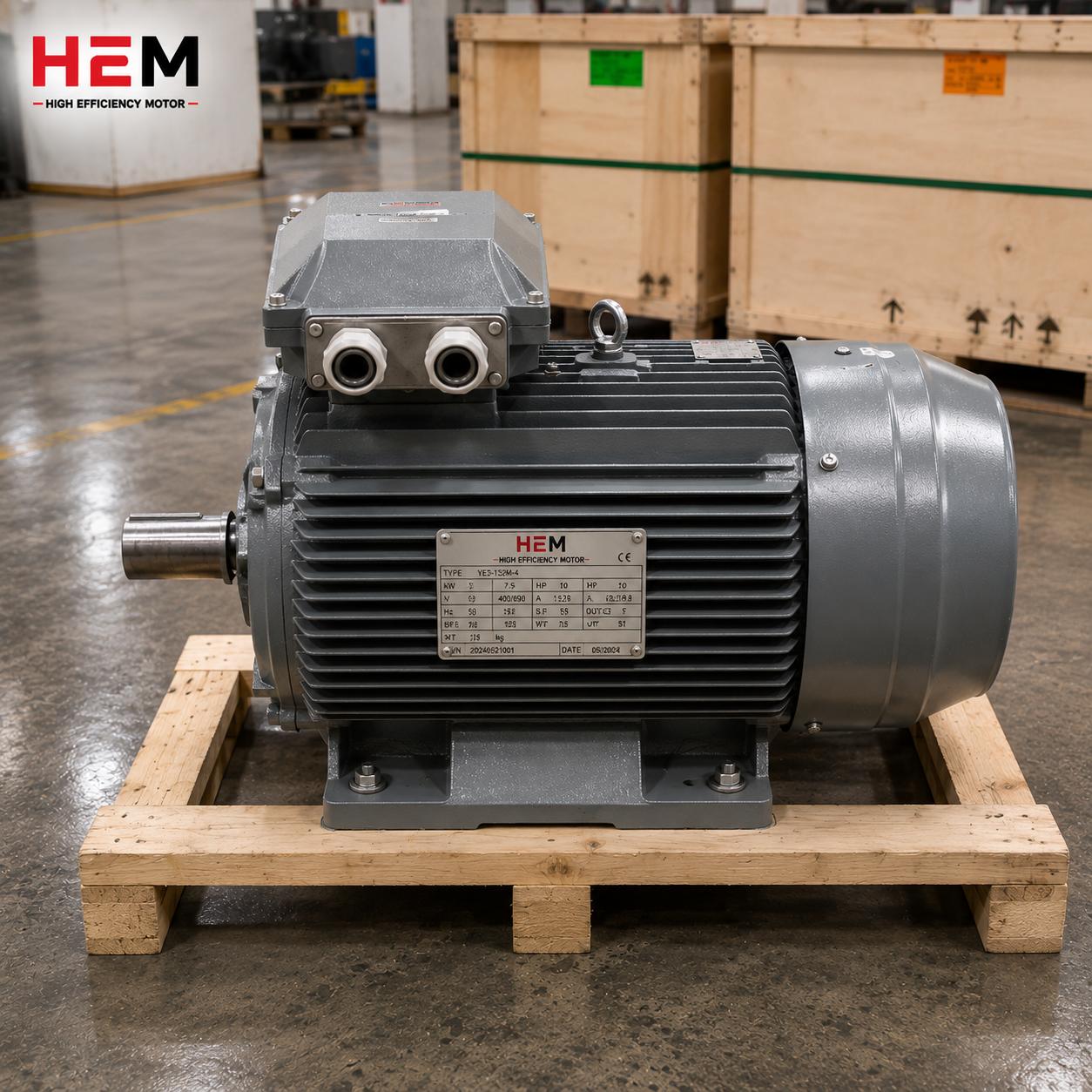

Galvanizing and plating plants form one of the harshest environments for an electric motor. Acid vapor, constant humidity, corrosive mist and uninterrupted operation wear out a standard motor in a short time. In these plants, motor selection is not just a matter of power and speed; it is the whole of decisions on the body, protection class, sealing and coating that will withstand the chemical aggressiveness of the environment. In this article we discuss how to determine the right power for a galvanizing and plating plant electric motor against acid vapor, corrosion, humidity and continuous duty.
As HEM Motor, we supply motors to many corrosive plants, from hot-dip galvanizing lines to electrolytic plating baths, from acid pickling sections to washing and drying lines. Below you will find both the technical background and the information that clarifies the right purchasing decision.
Threats to the Motor in a Galvanizing and Plating Plant
In these plants the factors threatening the motor are present together and feed one another. To make the right choice you must recognize these threats one by one:
- Acid vapor: Hydrochloric or sulfuric acid vapor rising from pickling baths corrodes the motor body, the fan and the electrical connections.
- High humidity: Baths and washing lines keep the environment near the saturation point; internal condensation is inevitable when the motor stops.
- Corrosive mist and splash: Plating solutions and salt baths leave a thin corrosive film on the motor surface.
- Continuous duty (S1): The line usually runs uninterrupted; the motor turns under continuous load, without rest.
- Temperature: In hot-dip and drying zones the ambient temperature is high, which may require derating.
The combination of these factors causes a standard IP55 motor to be inadequate in this environment. We covered the equipment-based motor needs on galvanizing and hot-dip lines in our article on galvanizing and hot-dip coating plant electric motors.
Choosing the Right Body and Protection Class
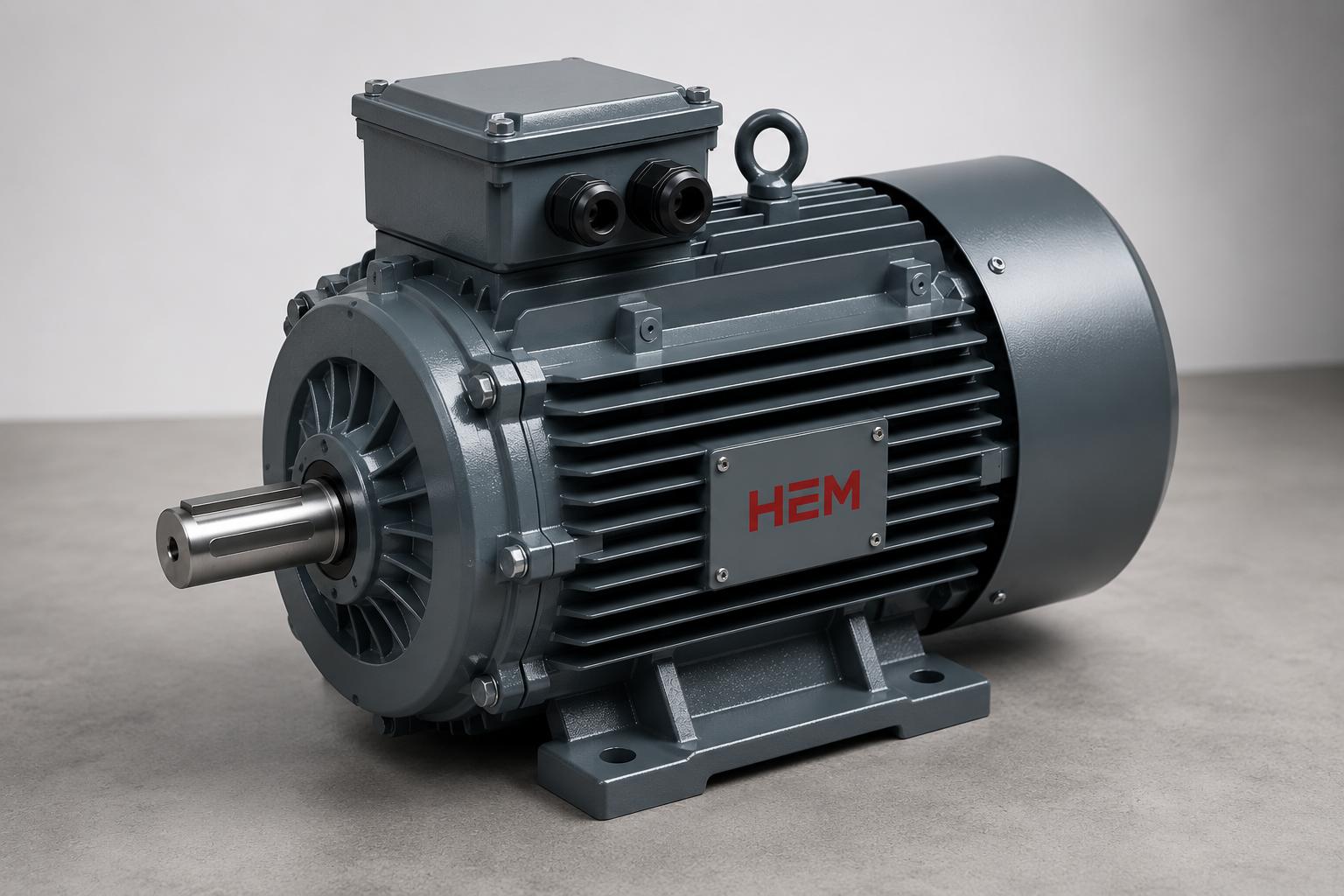
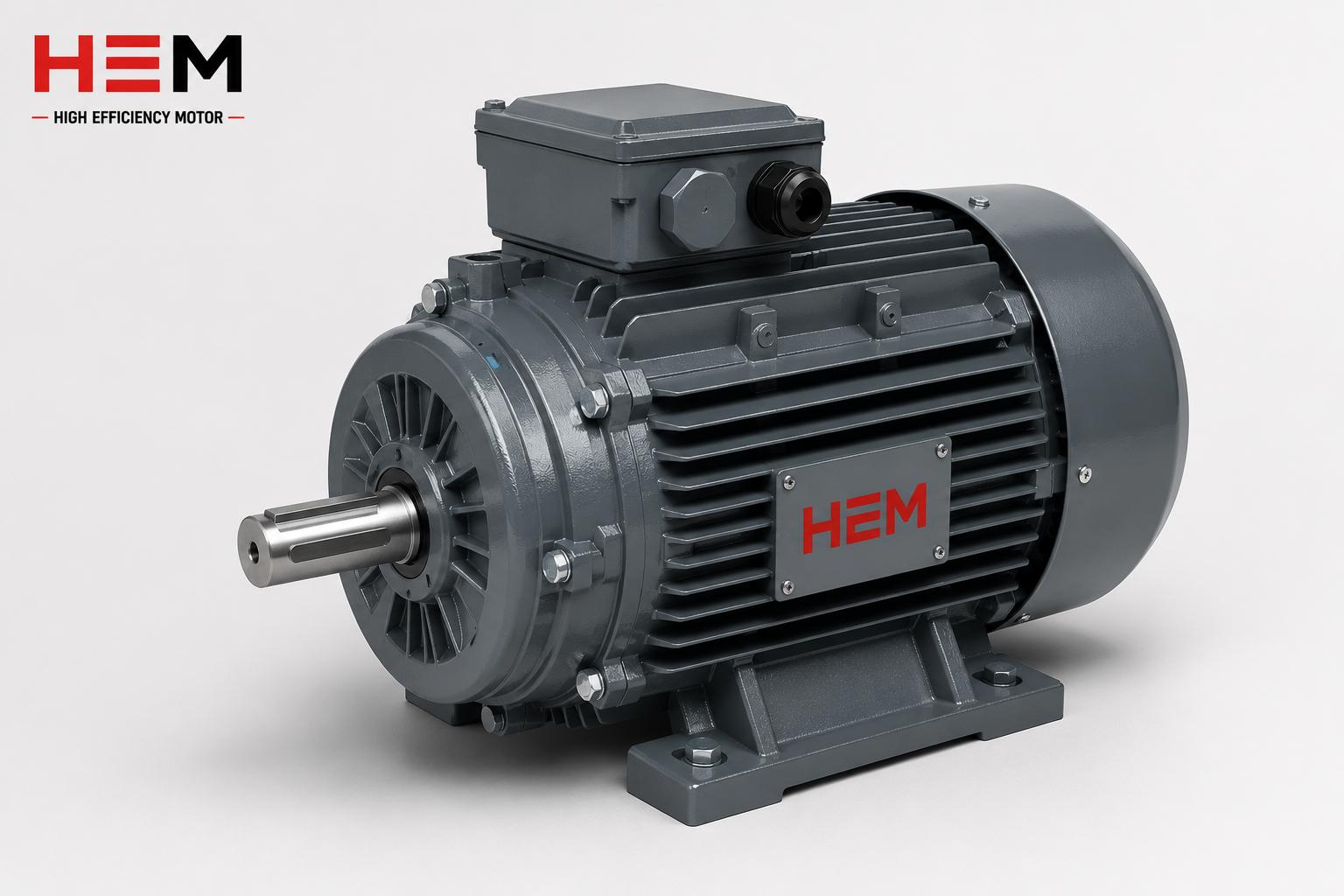
In a corrosive environment, the motor's first line of defense is its body. A cast iron body, with its mechanical strength and a suitable corrosion coating, is more reliable than aluminum in these environments. But more important than the body material is the paint system protecting the body. For corrosive environments the motor should be protected with a thick-film paint suitable for a high corrosion class (C5).
On the protection class side, standard IP55 is often inadequate. In zones where acid vapor and humidity are intense, IP65 or IP66 protection protects the winding and bearing by preventing liquid and dust ingress. We detailed the topic of correctly selecting corrosion paint thickness (DFT) in our article on paint DFT and C5 corrosion class on cast iron motors.
Why Is the C5 Corrosion Class Important?
Corrosion classes are defined according to the aggressiveness of the environment. Galvanizing and plating plants, together with coastal and chemical plants, fall into the C5 category, the highest corrosion class. A paint system suitable for the C5 class offers a thicker and more resistant protective film; this allows the motor body to withstand acid vapor for a much longer time. You can also find the C5 corrosion protection approach in our article on C5 corrosion protection paint on IE3 motors.
Protection Against Humidity and Condensation
In a corrosive environment the most insidious threat is condensation. When the motor stops, the internal air cools, the humid air condenses and water accumulates inside. This water, combined with acid vapor, wears out the winding insulation and the bearing from the inside. Therefore in corrosive plants humidity management is as important as the protection class:
- Space heater: Keeps the inside of the body above ambient temperature when the motor stops, preventing condensation.
- Condensation drain hole: Allows water accumulating inside to be expelled by gravity.
- Tropicalization: Protecting the winding against humidity and fungus with extra impregnation extends life in humid environments.
- Correct mounting orientation: The terminal box and condensation hole should be in a position where water will not accumulate.
Our article on IP65/IP66 protection upgrade on IE3 motors clarifies the decision to raise the protection class in dusty and wet environments.
Temperature and Derating: Power Reduction in Hot Zones
In hot-dip galvanizing and drying furnace zones, the ambient temperature can rise well above 40 degrees Celsius, the standard motor rating condition. Motors have a power value according to a certain ambient temperature; when this temperature is exceeded, the power the motor can safely deliver decreases. This is called power reduction, that is, derating. A motor selected in a hot zone without considering the ambient condition cannot deliver the power printed on its nameplate and rapidly consumes its life by continuously overheating.
Therefore in hot zones two approaches are followed: selecting the motor at a higher power to leave a thermal margin, or preferring a motor with a higher insulation class (for example class H). Class H insulation withstands a higher winding temperature than class F and provides extra safety in hot environments. The correct choice is made by knowing the real ambient temperature of the zone; when this information is shared, the motor is correctly sized against both heat and corrosion.
The Right Power and Efficiency for Continuous Duty
Galvanizing and plating lines usually run uninterrupted. This means the motor must be designed for continuous duty (S1) and resistant to heating under continuous load. In a continuously running motor two things stand out: reliability and efficiency. Because line stoppage is expensive, fault-free operation of the motor is critical; at the same time, a motor turning 24 hours a day turns even a small efficiency difference into a large energy bill over the year.
Therefore high-efficiency IE3 or IE4 motors are preferred in corrosive plants. 100% copper winding, with low resistance, both reduces heating and increases efficiency; this is a gain in both life and energy in continuous duty. In hot zones, power reduction (derating) should be calculated according to the ambient temperature, and the motor should be selected so as to preserve the thermal margin.
Plant-Section Motor Map
A galvanizing and plating plant is not a single environment; each section has its own threat and therefore a different motor need. The right supply starts by considering the plant section by section. The acid pickling section is where the most aggressive acid vapor is; the hood fan and circulation pump motors here require the highest corrosion and protection class. In plating baths there is constant humidity and chemical mist; mixer and dosing pump motors are selected with elevated IP and C5 coating. In the rinse line, water splash and humidity dominate; sealing and condensation management come to the fore. In the drying and furnace zone, high temperature prevails; derating and a suitable insulation class are required. In handling and crane systems, hoisting motors working suspended over the baths are exposed to both corrosive vapor and continuous load change.
Sealing and Electrical Connection Details
In a corrosive environment there are two critical points where liquid or vapor can enter the motor: the shaft exit and the terminal box. A suitable seal or labyrinth sealing at the shaft exit prevents acid mist and humidity from reaching the bearing. At the terminal box, the correct IP class, a quality gasket and a suitable cable gland prevent corrosive vapor from seeping in through the cable entry.
Although these details seem small, in corrosive plants a large part of motor failures begin precisely at these entry points. Humid, acidic air seeping into the terminal box oxidizes the connection terminals, weakens the insulation and over time leads to a short circuit. Selecting the correct gland size and sealing gasket directly affects the motor's life in this environment. Therefore in corrosive plant motors the electrical connection side must be planned as carefully as the mechanical strength.
Special Cases in Pump and Fan Applications
The heart of galvanizing and plating plants is pumps and fans. Acid transfer pumps, bath circulation pumps and hood fans drawing acid vapor are the points where the motor is most stressed. In an acid transfer pump motor both corrosion protection and correct material selection are critical; we covered this topic in our article on chemical and acid transfer pump motor selection.
The exhaust and hood fans drawing acid vapor operate directly within the corrosive gas flow; these motors require the highest protection and coating class as well as suitable sealing. For the fan motors in the drying and furnace zones of the coating line, our article on powder coating and electrostatic coating line electric motors is a complementary resource.
Total Cost and Spare Motor Planning
Making the motor choice in corrosive plants based only on the purchase price is an expensive mistake. In these environments an inadequately protected motor can experience corrosion-related failure within a few months; this brings both the motor replacement cost and the production loss from line stoppage. On a continuously running galvanizing line, even one hour of unplanned downtime far exceeds the extra investment in the right motor.
Therefore two principles stand out in corrosive plants: first, selecting the motor with the right protection for the environment from the start; second, keeping a spare motor for critical points. At points such as a fan above the acid bath or the main circulation pump, where a stoppage locks the line, a spare motor stored appropriately for its shelf life can be commissioned within hours of a failure. The spare motor being of the same protection and coating class ensures it shows the same durability when commissioned.
Information to Provide When Ordering the Right Motor
When ordering a motor for a galvanizing and plating plant, correctly defining the environment prevents incorrect delivery. Clarifying the following information before ordering ensures the most suitable motor is selected: in which section of the plant the motor will run, the acid type and vapor intensity in that section, the ambient temperature, the humidity condition, whether the duty type is continuous or start-stop, the required power and speed and the mounting type. If the renewal of an existing motor is in question, the nameplate information of the old motor is critical for an exact match. When this information is shared, we determine the motor specifically for that section of the plant, together with the correct body, protection class, corrosion coating and humidity-management equipment.
HEM Motor for the Right Supply
In a galvanizing and plating plant, the right motor is a whole that responds to all the threats of the environment together: a durable body, a high corrosion class coating, elevated IP protection, humidity management and the right efficiency for continuous duty. As HEM Motor, we determine this combination for each section of your plant according to the environmental conditions and deliver the motor ready for the field. To select the motor suited to your needs and for current electric motor prices you can contact us. When you share the sections of your line and the environmental conditions, we clarify the most suitable motor together.
Frequently Asked Questions
Can I use a standard IP55 motor in a galvanizing plant?
In zones with acid vapor and intense humidity, standard IP55 is often inadequate. In these environments IP65 or IP66 protection, a thick-film paint suitable for the C5 corrosion class and humidity management (space heater, condensation drainage) are recommended together. In dry and remote zones that are less corrosive, IP55 may be sufficient; the decision is made according to the environmental conditions of the point where the motor is located.
In a corrosive environment, should I prefer a cast iron or aluminum body?
In environments requiring corrosion resistance and continuous duty, a cast iron body offers a more reliable foundation with its mechanical strength and suitable corrosion coating. The real determinant is the paint system protecting the body; a thick-film coating suitable for the C5 class determines corrosion life regardless of body material. We select the right combination together according to the application detail.
Why is a high-efficiency motor recommended for a continuously running line?
In a motor turning 24 hours a day, even a small efficiency difference turns into a large energy cost over the year. High-efficiency IE3 or IE4 motors, thanks to their 100% copper windings, both heat less and consume less energy. This both lowers the energy bill and extends motor life in continuous duty; it also provides an advantage in reliability in a corrosive environment.