 English
 Türkçe

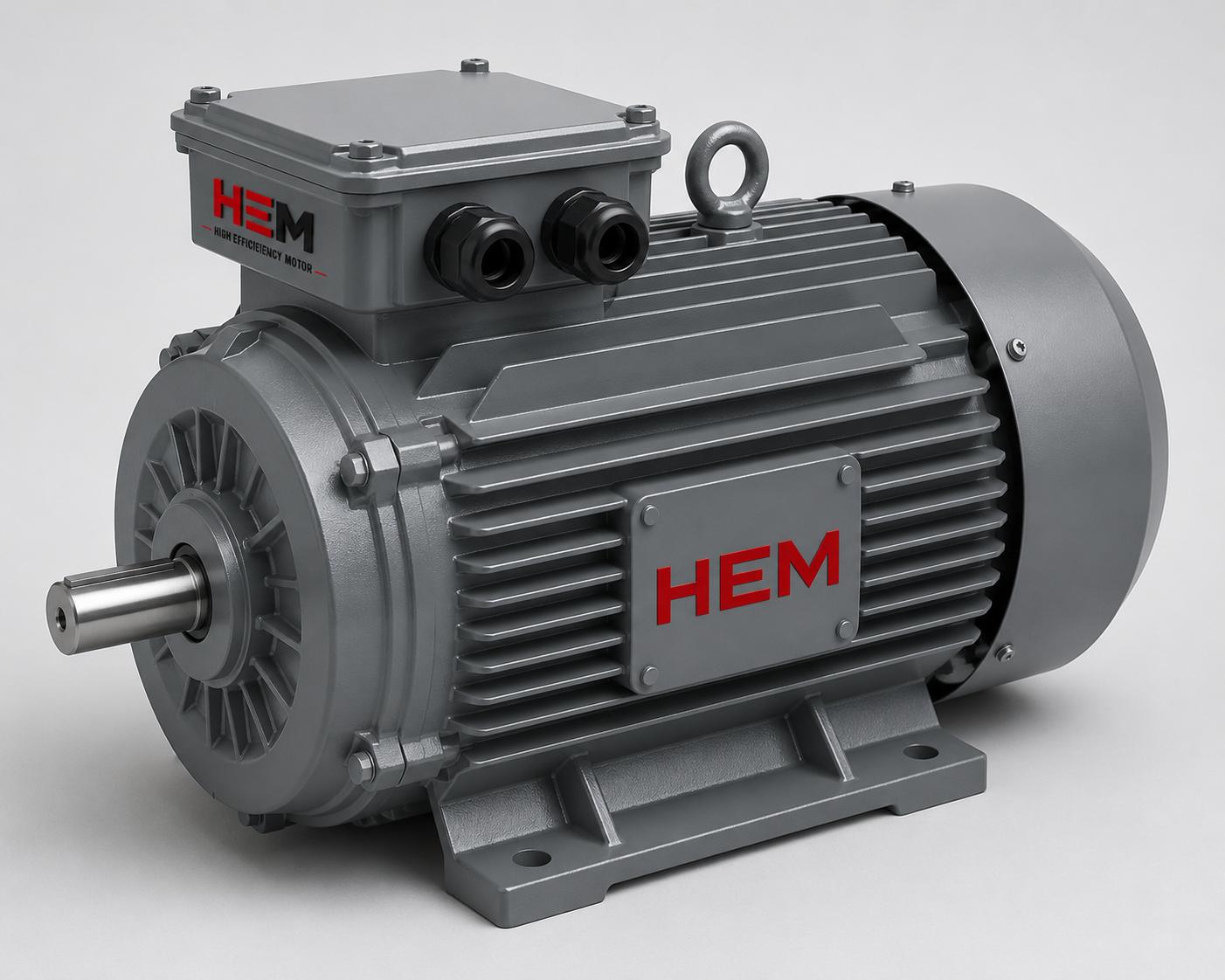
If you want to buy a single-phase (220V) electric motor, the right supplier makes the process much easier. As HEM Motor, we offer single-phase asynchronous motors with manufacturer assurance, from stock and with a fast quotation. A wide range awaits you in the small power ratings most requested for home, workshop and small-machine applications. On this page you will find how a single-phase motor works, the role of the start and run capacitors, the B3 and B14 mounting options, and what to pay attention to when buying. Our goal is to help you choose the motor that exactly fits your need at the best price-performance.
A single-phase electric motor is the most practical solution where a three-phase grid is not available. It is fed from the standard 220V outlet, which makes it ideal for small benches, compressors, pumps and workshop machines. When the right capacity and mounting are chosen, you get a quiet, durable drive that runs trouble-free for years. Below we cover both the technical criteria and the purchasing process step by step.
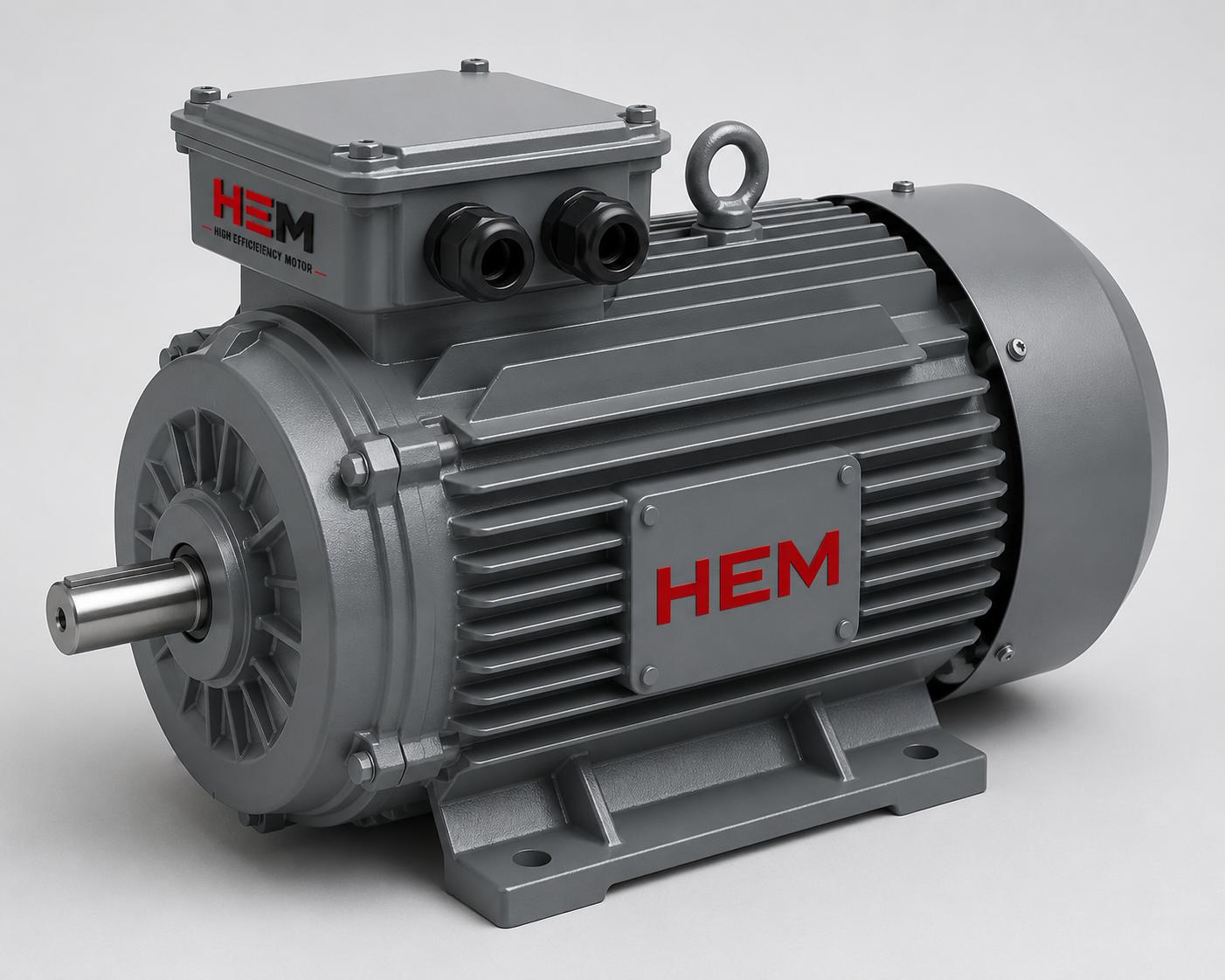
How Does a Single-Phase Electric Motor Work?
A rotating magnetic field does not form by itself on a single-phase grid, so a capacitor is used to let the motor start. The capacitor creates a phase shift in the auxiliary winding, allowing the rotor to begin turning. There are two basic architectures:
- Start capacitor: In circuit only at start-up, providing high starting torque. After start-up, a centrifugal switch disconnects the capacitor.
- Run capacitor: Permanently in circuit, running more quietly and smoothly; suitable for applications such as fans that need low starting torque.
- Start + run: For applications such as compressors that need both high starting torque and smooth running, two capacitors are used together.
The right capacitor type depends on how much load the machine is under at start-up. For details on capacitor selection and microfarad (µF) value, our asynchronous / AC motors category helps. When you share your need, we determine the suitable start/run structure for you.
For Which Powers and Applications?
Single-phase motors are generally in the small power class and appear at many points in daily life. The most common uses:
- Home and garden: Small water pumps, booster sets, garden machines.
- Workshop and hobby: Bench, grinder, small lathe and woodworking machines.
- Small machine building: Mixers, dosing units, packaging auxiliary drives.
- Fan and ventilation: Small exhausters and ventilation fans.
- Small compressors: Paint shop, tyre and hobby compressors.
For applications needing more power, three-phase solutions are more efficient. If you are unsure whether to choose single-phase or three-phase, we evaluate your load profile and guide you to the right range. For three-phase general-purpose needs you can also look at our standard electric motors range.
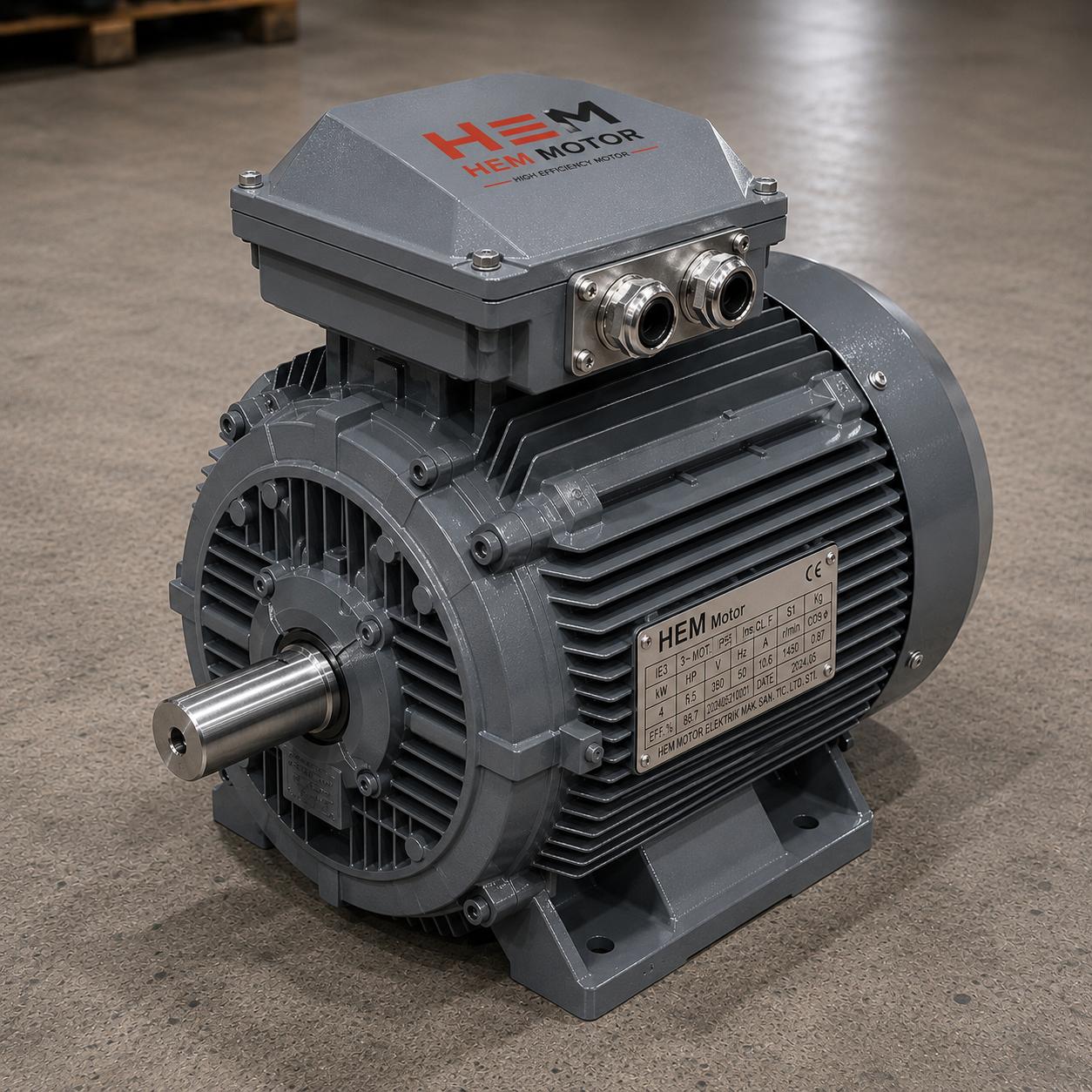
B3 and B14 Mounting: The Right Connection for Your Machine
The two most common mounting types on single-phase motors are B3 and B14. The right connection is critical for the motor to fit the machine smoothly:
| Mounting Type | Description | Typical Use |
|---|---|---|
| B3 (foot) | Bolted to the floor or a base | Bench, pump, general machine |
| B14 (small flange) | Connected directly by a front flange | Compact machines, tight spaces |
| B5 (large flange) | Full centring with a large flange | Pump and gearbox connections |
If you are replacing an existing motor, sharing the old motor's mounting type and shaft dimension is enough to identify a suitable equivalent. For more information on connection types, review our electric motor mounting types page.
What to Watch When Buying a Single-Phase Motor
Buying the right motor the first time saves both time and cost. Before purchasing we recommend clarifying these criteria:
- Power (kW or HP): The machine's real power need; an oversized motor creates inefficiency.
- Speed / number of poles: The speed need of the application (usually 2 or 4 poles).
- Capacitor type: Start, run or start-run structure.
- Mounting type: B3, B14 or B5.
- Shaft diameter and length: So the pulley or coupling fits.
- Operating environment: Suitable IP protection in dusty/wet conditions.
Sharing this information is enough for us to offer the right product and a fast quotation. For common purchasing mistakes and the right approach, our electric motors blog category contains practical tips.
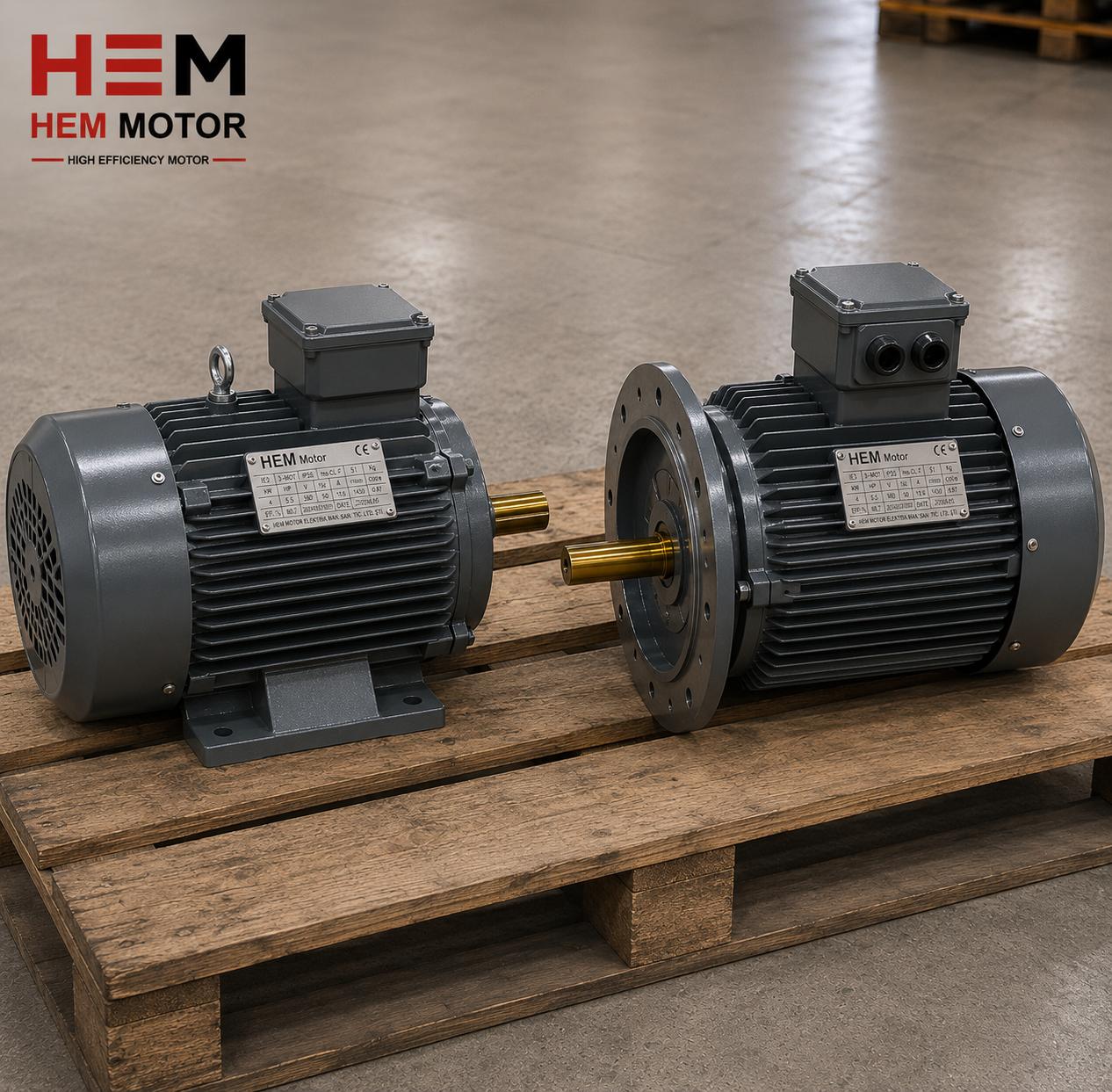
Manufacturer Assurance and Stock Advantage
Buying a single-phase motor directly from its maker simplifies both the price and the delivery process. The concrete benefits of working with HEM Motor:
- Direct price: Net and transparent electric motor prices.
- Stock depth: The most requested small powers usually ship from stock.
- Correct selection support: Technical guidance on capacitor type, mounting and shaft dimension.
- Fast quotation: A quick reply when you send your request.
- Wide range: Single-source supply of single-phase and three-phase solutions.
To see the whole range and current price-performance advantages, visit the HEM Motor electric motor prices homepage. For three-phase efficient alternatives, our high-efficiency electric motors category also offers a rich selection.
Single-Phase or Three-Phase? A Short Comparison
Deciding which supply type is right for you directly affects the motor's efficiency and cost:
| Criterion | Single-Phase | Three-Phase |
|---|---|---|
| Grid requirement | A 220V single-phase outlet is enough | A 380-400V three-phase line is needed |
| Typical power range | Small powers | Small to very large |
| Starting structure | With capacitor | Direct or soft starter |
| Efficiency tendency | Adequate at small power | Higher |
| Ideal use | Home, workshop, small machine | Industry and continuous process |
If your power need will grow in the future, setting up a three-phase infrastructure may be more advantageous in the long run. We evaluate this decision together and guide you to the right solution.
Frequently Asked Questions
Can I run a single-phase motor from a normal household outlet?
Yes. Single-phase motors are fed from the standard 220V grid. It is enough to use a fuse and cable cross-section suited to the current the motor draws. As power grows, current also rises, which is why correct power selection matters.
What is the difference between a start capacitor and a run capacitor?
The start capacitor is in circuit only while the motor starts and provides high starting torque. The run capacitor stays permanently in circuit for quieter, smoother running. In applications that start under load, such as compressors, both are used together.
Which mounting type should I choose?
It depends on your machine's connection surface. If it is fixed to the floor, B3 foot is suitable; if connected by a front flange, B14 or B5 flange is suitable. Share the existing motor's dimensions and we will determine the right type.
Are small powers in stock?
Yes. The most requested small powers usually ship fast from stock. When you send your request, we immediately share the stock status and a fast quotation.
Should I buy three-phase instead of single-phase?
If you have a three-phase grid and a large power need, a three-phase motor is more efficient and economical. For small powers and where only a single-phase outlet is available, single-phase is the most practical solution.
Get a Quote Now
To buy the single-phase electric motor that fits your need at the best price-performance, send us the power, speed, capacitor type and mounting details. We will pick the most suitable solution from our wide stock range and reply with a fast quotation. With manufacturer assurance, direct pricing and fast shipping, we are by your side.