 English
 Türkçe

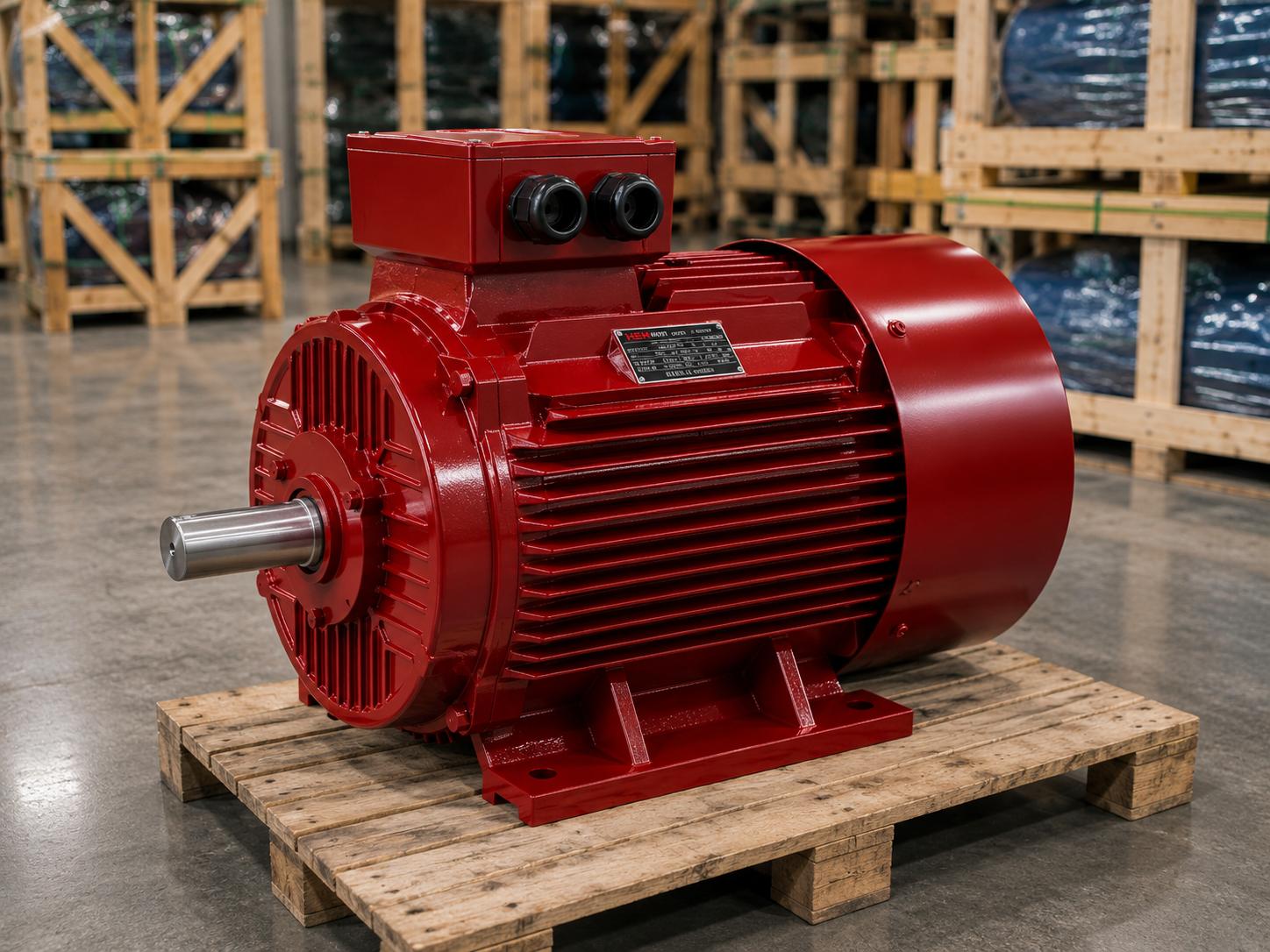
When your conveyor stops mid-cycle, the only component that keeps the load from sliding back, holds a suspended crane load in place, and locks a door leaf at the exact position is the brake motor. A braked electric motor engages its mechanical brake the instant power is cut, stopping and holding the load in a fraction of a second. If you want to buy a brake motor with the right power, the right braking torque and fast delivery, our stock-based supply and price-performance focused solutions are the right address. To find a motor that fits your machine one-to-one without stopping your line, you can use our fast-quote process and review electric motor prices.
A brake motor is built by integrating an electromagnetic or spring-applied brake unit into a standard asynchronous motor. In conveyors, cranes, lifts, automatic doors, packaging machines and robotic axis drives, where stopping accuracy and holding safety are critical, the braked motor is the right choice. Below you will find every topic that will clarify your purchase decision, from brake types and mounting options to frequently asked questions and sector applications.
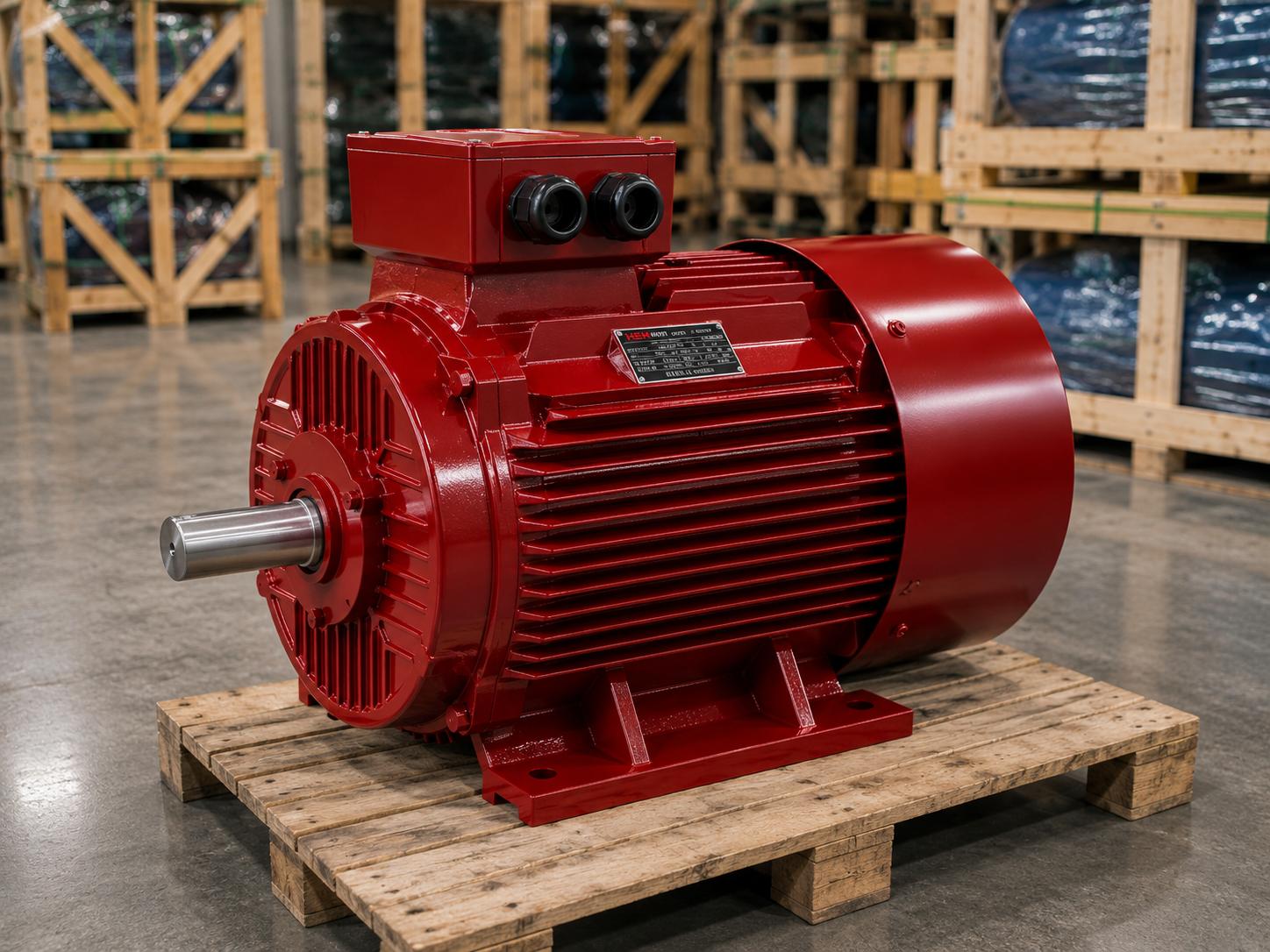
What Is a Brake Motor and Why Is the Spring-Applied Brake Preferred?
The most common structure in braked motors is the spring-applied electromagnetic brake. In this system the brake is normally held closed by spring force; when power reaches the motor, the brake coil releases the brake and the shaft turns freely. The moment power is cut or the emergency stop is pressed, the spring engages, presses the lining onto the disc and stops the shaft instantly. This fail-safe logic guarantees that the load is held even during a power loss, which is why it is preferred in lifting and suspended loads.
The biggest advantage of the spring brake is that it stays in a safe state even during a power outage. A load suspended on a crane will not fall when the grid goes down; material on an inclined conveyor will not slide back. The correct braking torque is selected according to the load inertia and the desired stopping time; excessive braking torque causes harsh stops, while low braking torque causes slipping.
DC Brake or AC Brake?
The brake coil is fed either with direct current (DC) through a rectifier, or directly with alternating current (AC). DC brakes run quieter, smoother and with longer life, standing out in textile and packaging lines that need precise stopping. AC brakes are connected directly to the grid, react faster and are practical in simple installations. For applications with frequent start-stop cycles and low noise expectations the DC brake leads; where a fast and simple solution is wanted, the AC brake leads.
In Which Applications Is a Braked Motor Essential?
- Conveyor and belt systems: To prevent load roll-back on inclined belts and stop the line at the exact position.
- Crane and lifting systems: To safely hold the load suspended during hoisting and travel movement.
- Lift and platform drives: For precise floor stopping and a safe position lock.
- Automatic doors and barriers: To fix the leaf in the open or closed position.
- Packaging and robotic axes: For repeatable, precise stopping at the end of the cycle.
Most of these applications are planned together with the conveyor belt electric motors range alongside the brake motor. Matching the brake motor with the correct frame and speed in a conveyor drive directly affects your line efficiency.
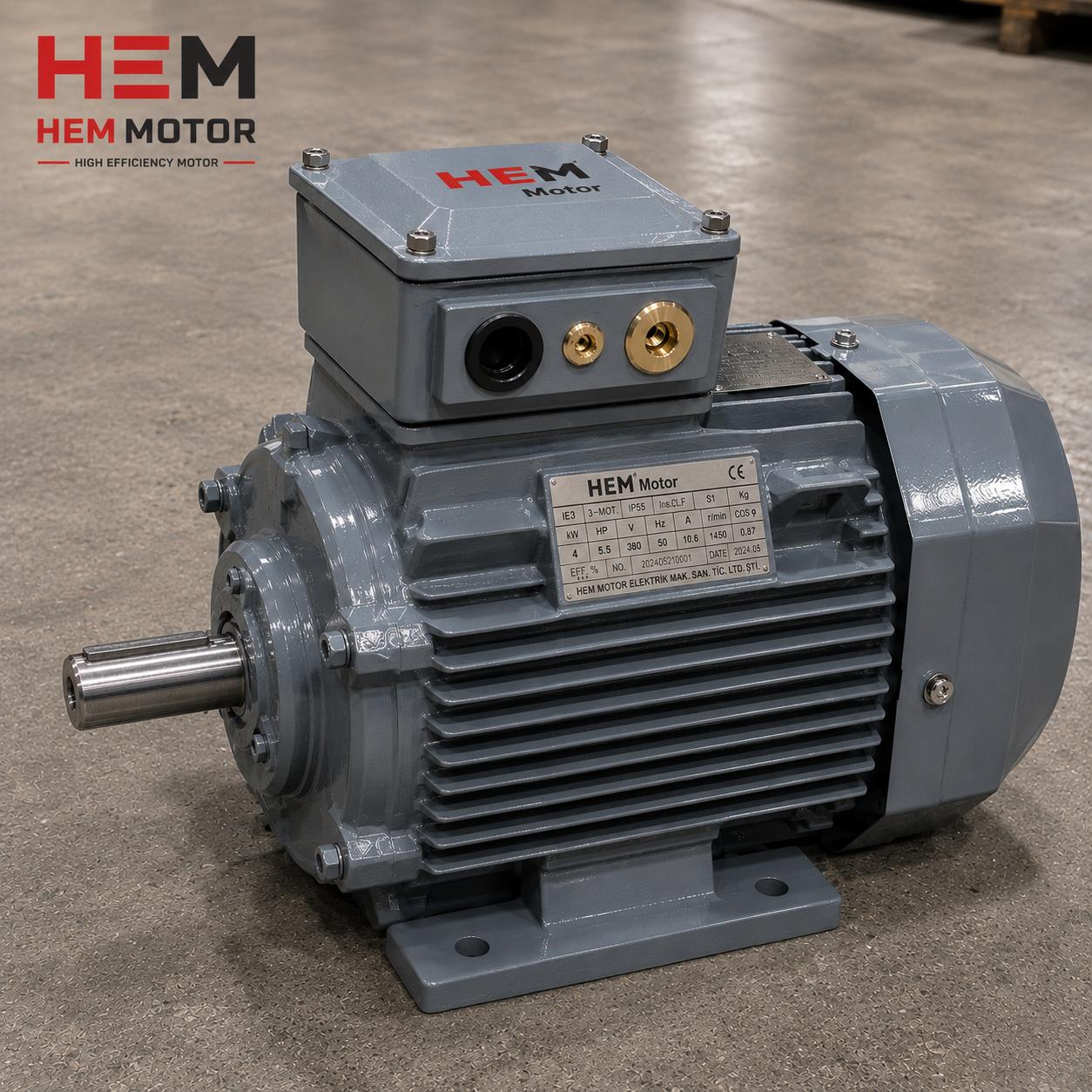
Factors to Consider When Selecting a Brake Motor
| Factor | Why It Matters |
|---|---|
| Braking torque | Must suit load inertia and stopping time; prevents slipping and harsh stops |
| Duty type (S category) | Determines the heating limit on lines with frequent start-stop |
| Manual release lever | Opens the brake when de-energised so the load can be lowered by hand |
| Mounting type (B3/B5/B14) | Foot/flange choice for exact mechanical fit to the machine |
| Protection class (IP) | Protects the brake unit in dusty, humid environments |
On lines with frequent start-stop and braked operation, duty type selection is decisive; our guide on duty types S7-S9 for braked and variable-load operation helps you set the right class before ordering.
Why Is Manual Brake Release Important?
To lower the load in a controlled way during maintenance or a power outage, brake motors are fitted with a manual release lever option. This lever mechanically opens the brake lining and frees the shaft. It is considered mandatory for safety, especially in crane and lift applications. You can review our article on the manual release lever and lining wear adjustment.
Brake Types and Braking Methods
Besides the mechanical spring brake, electrical braking methods are also used to stop the motor. These can be applied separately or together:
| Method | Working Principle |
|---|---|
| Spring mechanical brake | Spring presses the lining when power is cut; provides holding and safe stopping |
| DC dynamic braking | DC is injected into the winding to convert rotation energy into heat |
| Regenerative braking | Braking energy is recovered, used in drive-based systems |
For managing stopping energy in drive-based systems, our content on regenerative braking and brake resistor selection and plugging (reverse-current) fast stopping helps you plan the mechanical brake together with electrical braking.
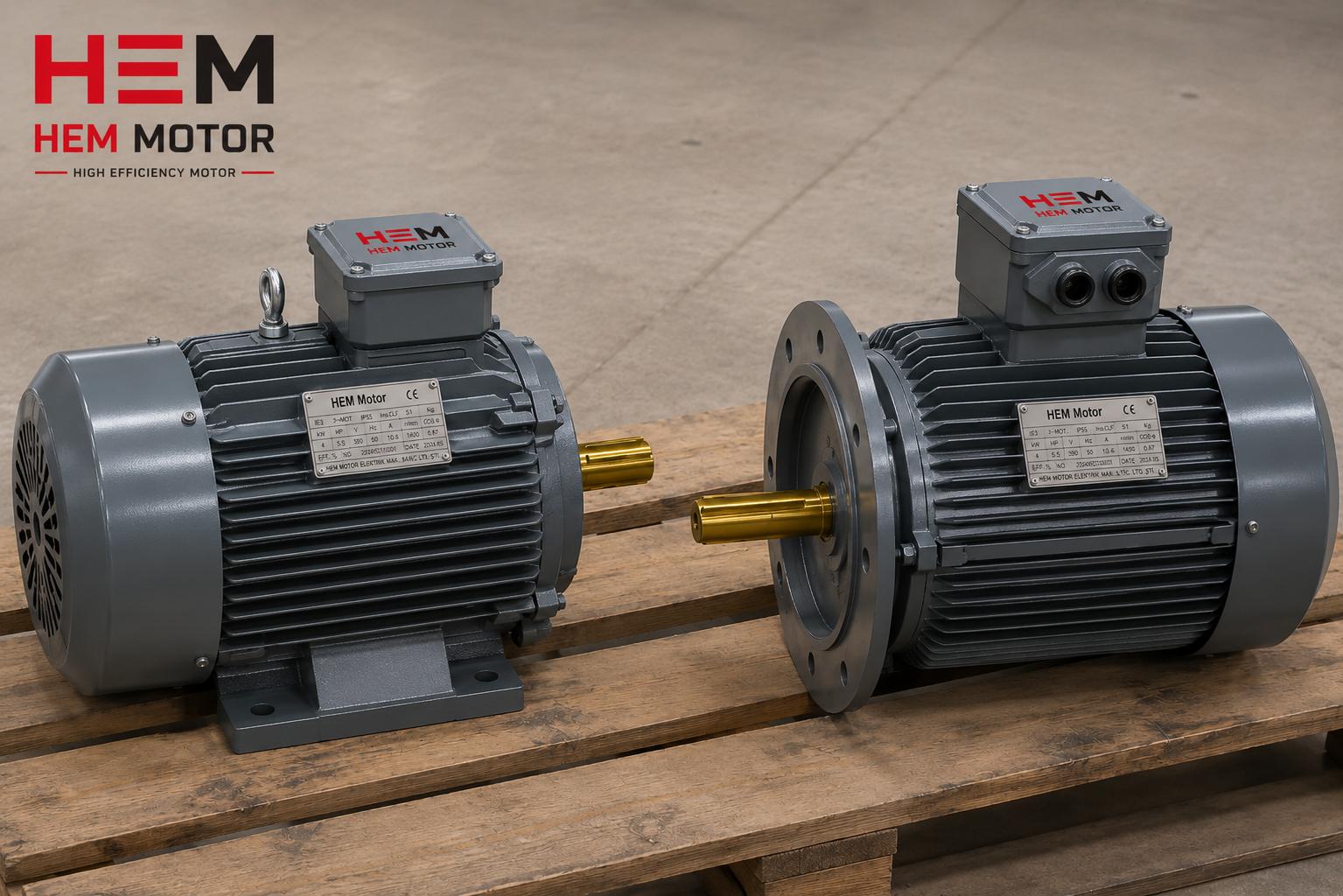
Fast Supply from Stock and Quotation
The most common problem when you need a brake motor is a stopped line. That is why we keep stock in the most-requested powers and speeds to provide fast delivery. By sharing your machine nameplate data and mounting type, you can get a fast quote for an exactly compatible brake motor. For accessory options on braked motors (encoder, forced fan, second shaft end), our article on brake, encoder and forced cooling fan accessory options clarifies your order scope.
Frequently Asked Questions
What is the difference between a brake motor and a standard motor?
A standard motor coasts to a stop when power is cut; a brake motor engages its spring brake the moment power is cut, stops the shaft instantly and holds it in position. A brake motor is needed in any application requiring holding and fast stopping.
How should I determine the braking torque?
Braking torque is selected according to load inertia and the desired stopping time. The general rule is a braking torque near or slightly above the motor rated torque; however, it must be set according to application detail so that the sudden stop does not damage the load or mechanism. If you share your machine data, we clarify the correct braking torque together.
Should I prefer a DC or AC brake?
A DC brake is recommended for quiet, smooth, frequent start-stop applications; an AC brake for places needing fast response and simple wiring. The DC brake stands out in textile, packaging and precise positioning.
Can you find a one-to-one replacement brake motor for my existing motor?
Yes. With the nameplate power (kW), speed, frame, mounting type (B3/B5) and braking torque, we can supply an exact replacement brake motor. For a one-to-one swap in a conveyor motor failure, our emergency replacement motor checklist makes the job easier.
Does every brake motor have a manual release lever?
It is standard on most brake motors or added as an option. It is recommended for safety in crane and lift applications; you simply specify it when ordering.
Get a Quote Now for the Right Brake Motor
For your conveyor, crane, door or lift line, you can supply a braked electric motor with the right braking torque and mounting type from stock with fast delivery. For crane applications you can review our crane and hoist lifting motor supply page and for the general product range our IE3 efficient asynchronous electric motors, and start a fast-quote process with HEM Motor for a price-performance focused solution.