English
 Türkçe

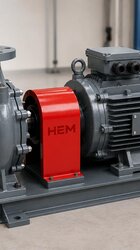
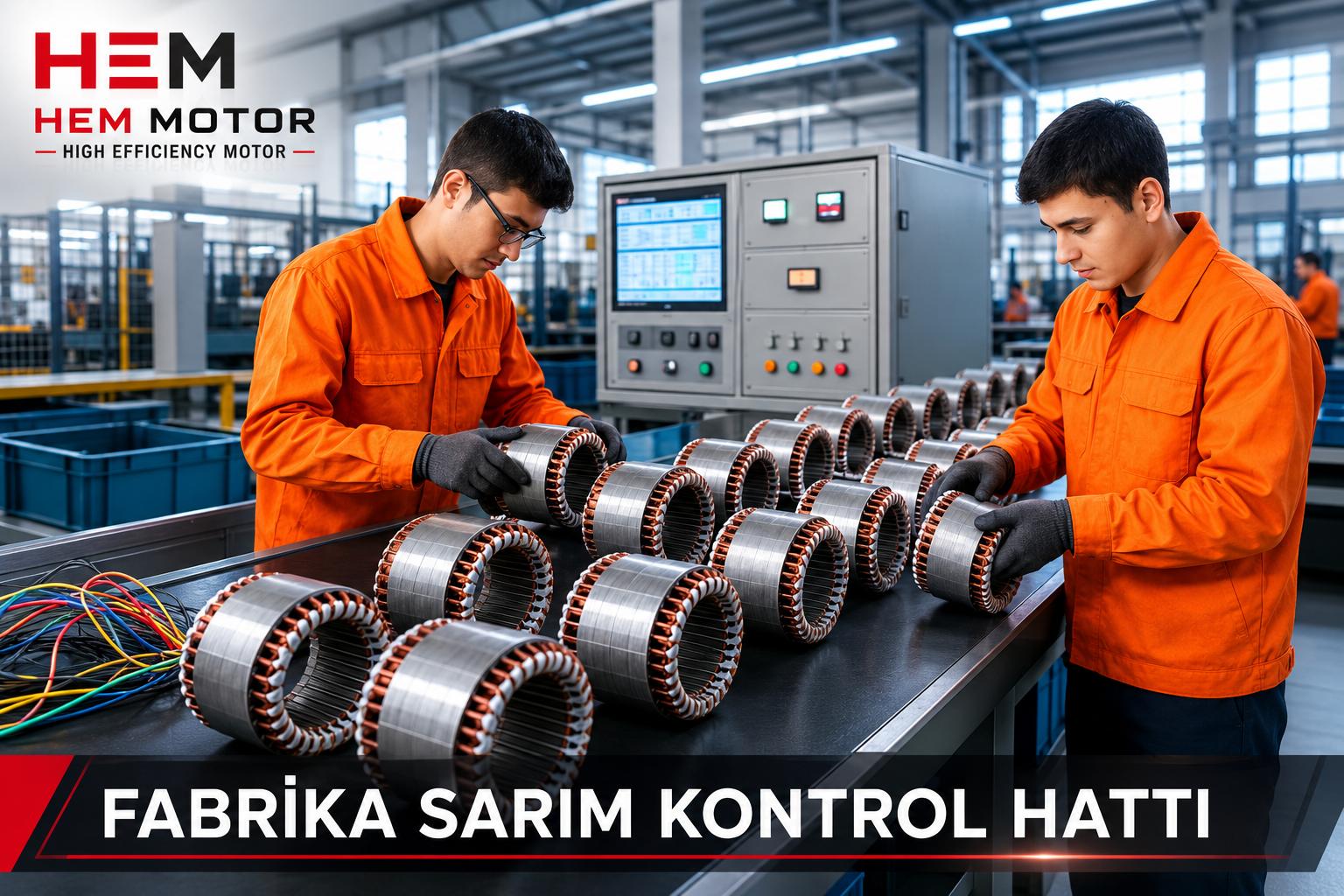

In food and beverage plants a geared motor must not only deliver the correct output speed and torque; it is also washed at the end of every shift with high-pressure water, foam and chemical disinfectant. A conveyor drive on a dairy filling line, a mixer reducer on a beverage bottling machine, or a screw conveyor in a meat processing plant is cleaned several times a day as required by the hygiene regime. In this environment a standard grey cast iron reducer soon rusts, its paint peels, its seals deteriorate and it creates a microbiological risk. This article examines hygienic geared motor selection for food and beverage plants from a purchasing perspective, around washability, stainless/smooth surface, IP protection class, food-grade lubricant and correct power-speed-torque calculation. We explain which reducer you should choose, in which protection class and with which surface design, using concrete criteria.
What Does a Food and Beverage Environment Demand From a Geared Motor?
In a production plant, geared motor selection begins with power and speed; but in the food and beverage sector the centre of gravity of the equation shifts to hygiene. The drive unit sits in an environment in direct or indirect contact with product: dripping condensate, splashing product, wash water and disinfectant vapour constantly reach the surface of the motor and the reducer. For this reason the selection criteria differ from a classic industrial application.
A hygienic drive unit has four basic requirements. First, washability: the surface must be cleanable under high-pressure water and foam, and water must not seep inside. Second, a smooth and stainless surface: there must be no pockets, channels or sharp corners where dirt, bacteria and product residue can cling. Third, a suitable IP protection class: IP55, IP66 or IP69K must be selected according to the severity of cleaning the machine is exposed to. Fourth, food-grade lubricant and material: against the risk of contact, the reducer oil and seals should be food compatible (NSF H1).
Hygienic Design: No Pockets, Sloped Surfaces
The essence of hygienic design is simple: water and chemicals must not pool anywhere. For this, horizontal flat surfaces, collecting pockets, open fins and inaccessible cavities are undesirable on the reducer and motor body. A correctly designed hygienic geared motor has sloped surfaces; after washing, water runs off under its own weight. Cooling fins are either absent entirely (finless smooth body) or designed with wide, cleanable spacing. Bolt heads are recessed or covered; seal seats are positioned so as not to collect water on the outside.
- Smooth body: Prevents bacterial adhesion and product residue build-up.
- Sloped surfaces: Allow wash water to drain off without pooling.
- Finless or open-fin cooling: Cleanability comes first; a clogged fin causes both hygiene and overheating problems.
- Recessed fasteners: Reduce dirt-trapping recesses and protrusions.
IP Protection Class: When IP55, IP66 and IP69K?
In a food plant the most critical technical choice is selecting the right IP protection class. The second digit of the IP code denotes protection against water and must be chosen according to the severity of cleaning in the application. The wrong choice creates cost in two directions: insufficient protection lets the motor take in water and burn out, while needlessly excessive protection inflates the budget.
- IP55: Protects against dust and low-pressure water splashes. May be sufficient in dry food areas that are not washed, only at risk of splashing.
- IP66: Protects against powerful water jets. Preferred on beverage and packaging lines that are regularly hosed but not subject to very high pressure.
- IP69K: Protects against high-pressure, high-temperature close-range washing. The standard for washdown areas with intensive disinfection such as meat, dairy and ready meals.
On lines cleaned multiple times a day with high pressure, such as dairy, meat and ready-meal production, the standard is now moving toward IP69K. IP69K withstands cleaning with an 80-100 bar water jet at around 80°C from close range. We examined the selection logic of this class, its seal design and how it is protected in the field in detail in our article on motor selection for IP69K washdown and high-pressure cleaning; if you have a washdown requirement this guide clarifies the choice.
IP Class Alone Is Not Enough: Seal and Shaft Sealing
The IP class describes the general protection of the body; but in a food plant the real weak point is often the output shaft seal. Wash water hits the reducer's slow output shaft directly, and a single lip seal is not enough there. In hygienic applications, water entry is prevented with a double-lip seal, V-ring or labyrinth sealing. The reducer breather (vent valve) must also be positioned and filtered so it does not draw in water during washing; otherwise the cooling reducer pulls water inside by vacuum and the oil emulsifies.
Reducer Type Selection: Worm Gear or Bevel-Helical?
In a hygienic drive the correct reducer type matters as much as the correct protection; because the type determines surface geometry, efficiency and torque. Two families are used most on food and beverage lines.
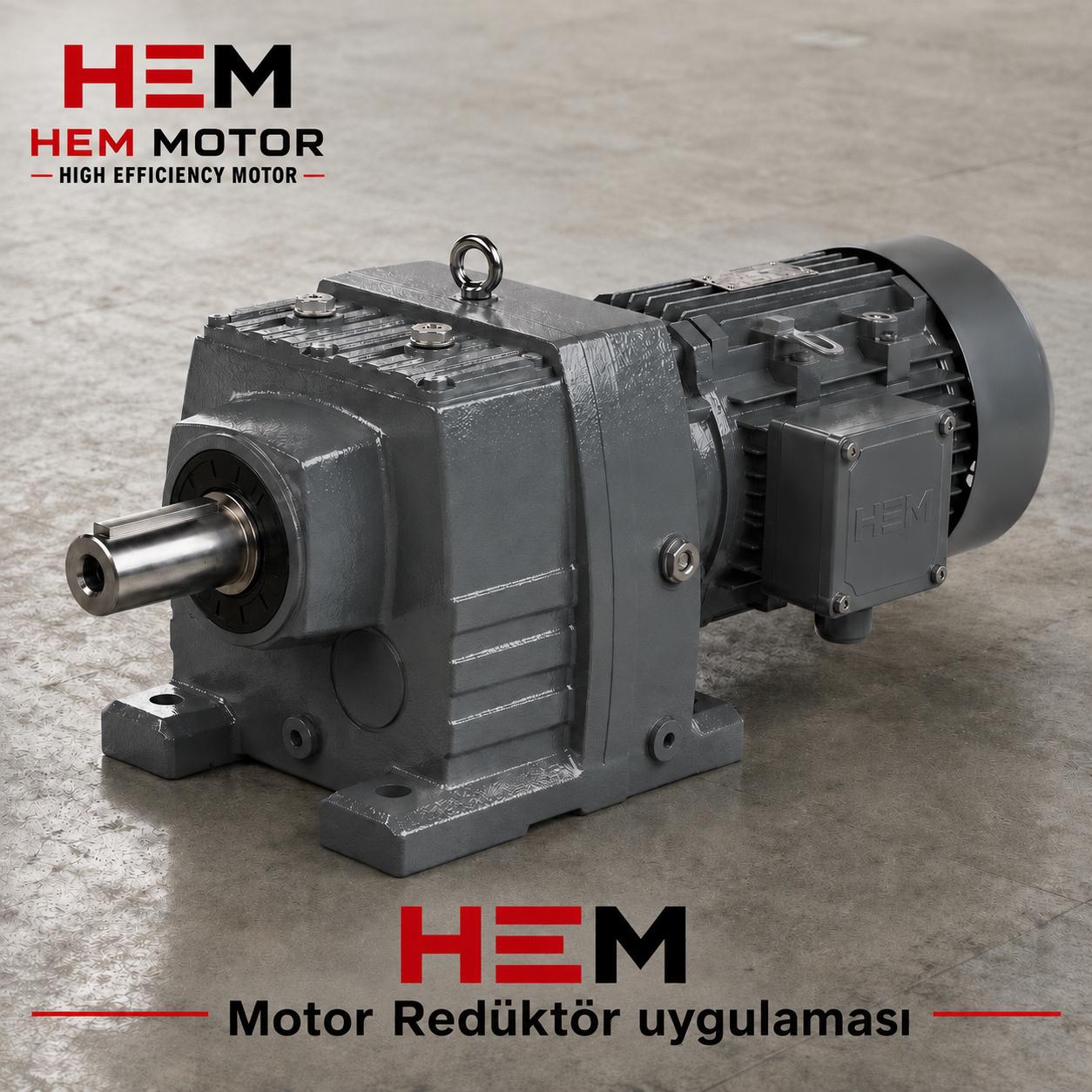
Worm gear reducers, with their compact, quiet, right-angle output structure, are common on conveyor, filling and packaging lines. Thanks to their compact bodies they fit into tight machine spaces and suit hygienic coating with a smooth outer surface. At HEM Motor we produce the worm gear reducers family in a wide body range from HEM30 to HEM130; these reducers combine in monoblock form with the motor to create a compact hygienic drive unit.
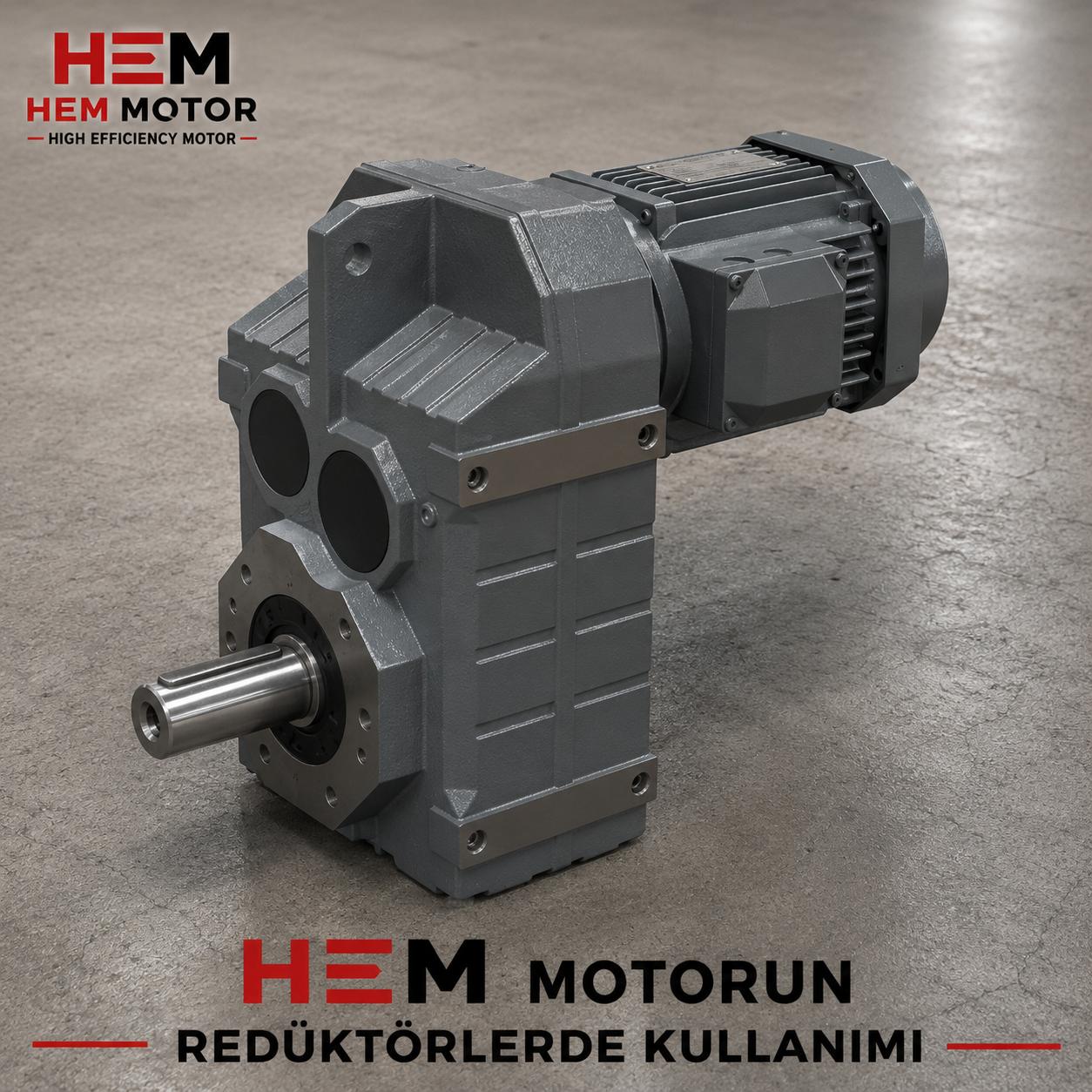
Bevel-helical (K series) reducers stand out in beverage mixers, large conveyors and process equipment requiring higher efficiency and higher torque. While offering right-angle output, they provide higher mechanical efficiency than worm gears; on lines running under continuous heavy load they create energy savings. The bevel-helical reducers family suits heavy food processes demanding high torque and long life.
Deciding Between Worm Gear and Bevel-Helical
- Low-medium torque, tight space, quietness: Worm gear reducer; economical and compact for conveyor and filling lines.
- High torque, continuous heavy load, efficiency: Bevel-helical reducer; efficient for mixers and large conveyors.
- Where self-locking is needed: A high-ratio worm gear offers an advantage.
- If energy cost is critical: Bevel-helical saves over the long term with higher efficiency.
Correct Power, Speed and Torque: Correctly Sized as Well as Hygienic
Hygienic design is necessary but not sufficient on its own; the geared motor must also deliver the correct output speed and torque. A typical mistake on food lines is to look only at motor power and ignore the reducer ratio. Yet conveyor speed, mixer rpm and filling-head motion depend directly on the reducer output speed.
Correct sizing is done in this order. First the output speed (rpm) required by the application is determined; on a conveyor it is calculated from belt speed and drum diameter, on a mixer from the process requirement. Then the output torque (Nm) is found from the load moment. From these two, the reducer ratio and required motor power follow. Finally, a margin is left with the service factor for shock, starting frequency and daily running time. On food lines the service factor must not be ignored, because of frequent stop-starts and washing breaks.
- Output speed: Calculated backward from conveyor/mixer speed.
- Output torque: Load moment and starting shock are considered.
- Reduction ratio: Motor speed / required output speed.
- Motor power: Selected from torque and speed, with a service-factor margin.
- Service factor: Increased according to shock, stop-start frequency and ambient temperature.
We covered the step-by-step logic of purchasing a monoblock geared motor by output speed and torque in our monoblock geared motor purchasing guide; this article prevents selection errors while sizing. For the efficiency class and compatibility of the motor to be coupled to the reducer, you can review our electric motors for reducers product group; our IE3/IE4 efficient motors are designed for monoblock compatibility with the reducer.
Efficiency Class and Energy: Savings With an IE3/IE4 Motor
Food plants run a large number of drive units for most of the day, making energy cost a significant item. Having the motor coupled to the reducer in the IE3 or IE4 efficiency class, together with hygienic design, both lowers operating cost and reduces thermal load during wash cycles by running cooler. A high-efficiency motor pays for itself quickly in continuous operation that runs all year.
Purchasing Checklist: Hygienic Geared Motor
- Surface smooth/stainless, sloped; no pockets or pooling channels.
- IP55/IP66/IP69K protection class correctly chosen for the wash severity of the application.
- Output shaft sealing by double-lip seal or labyrinth; breather valve filtered and positioned to keep out water.
- Reducer oil and seals available in a food-compatible (NSF H1) option.
- Output speed, torque and ratio calculated for the application; service-factor margin left.
- Reducer type (worm gear or bevel-helical) suited to load and efficiency need.
- Motor in IE3/IE4 efficiency class; monoblock compatible with the reducer.
- Stock and lead time: correct frame, speed and protection class in time for the installation schedule.
At HEM Motor we supply hygienic drive units for food and beverage plants from a single source with manufacturer assurance; with worm gear (HEM30-130) and bevel-helical (K series) reducers, IE3/IE4 efficient motors and the correct IP protection class. To determine the most suitable geared motor for your application's output speed, torque and washing requirements, and for fast supply, you can request a quote from our electric motor prices page.
Frequently Asked Questions
Does every reducer on a food line need IP69K?
No. IP69K is required for washdown areas cleaned at close range with high-pressure, hot water jets; the intensively disinfected sections of meat, dairy and ready-meal lines demand this class. On packaging or beverage lines only rinsed with a hose, IP66 is often sufficient; in unwashed dry areas IP55 may be appropriate. The right choice is made according to the cleaning severity the machine is actually exposed to; needlessly excessive protection inflates the budget.
Should I choose a worm gear or a bevel-helical reducer?
If low-medium torque, tight layout and economy come first, a worm gear reducer (HEM30-130) is suitable; it is a common choice on conveyor and filling lines. If high torque, continuous heavy load and energy efficiency are critical, a bevel-helical (K series) reducer saves over the long term with its higher mechanical efficiency. The decision is made by looking at output torque, running time and energy cost.
Why must the oil in a hygienic reducer be food-grade?
In a leak that may develop over time at the shaft seal, or in an accident, there is a risk of the oil contacting the product. NSF H1 approved food-grade reducer oil is tolerable in terms of food safety in such a contact and meets audit requirements. Having the seals made of food-compatible material is a second measure that completes the hygiene regime.