 English
 Türkçe

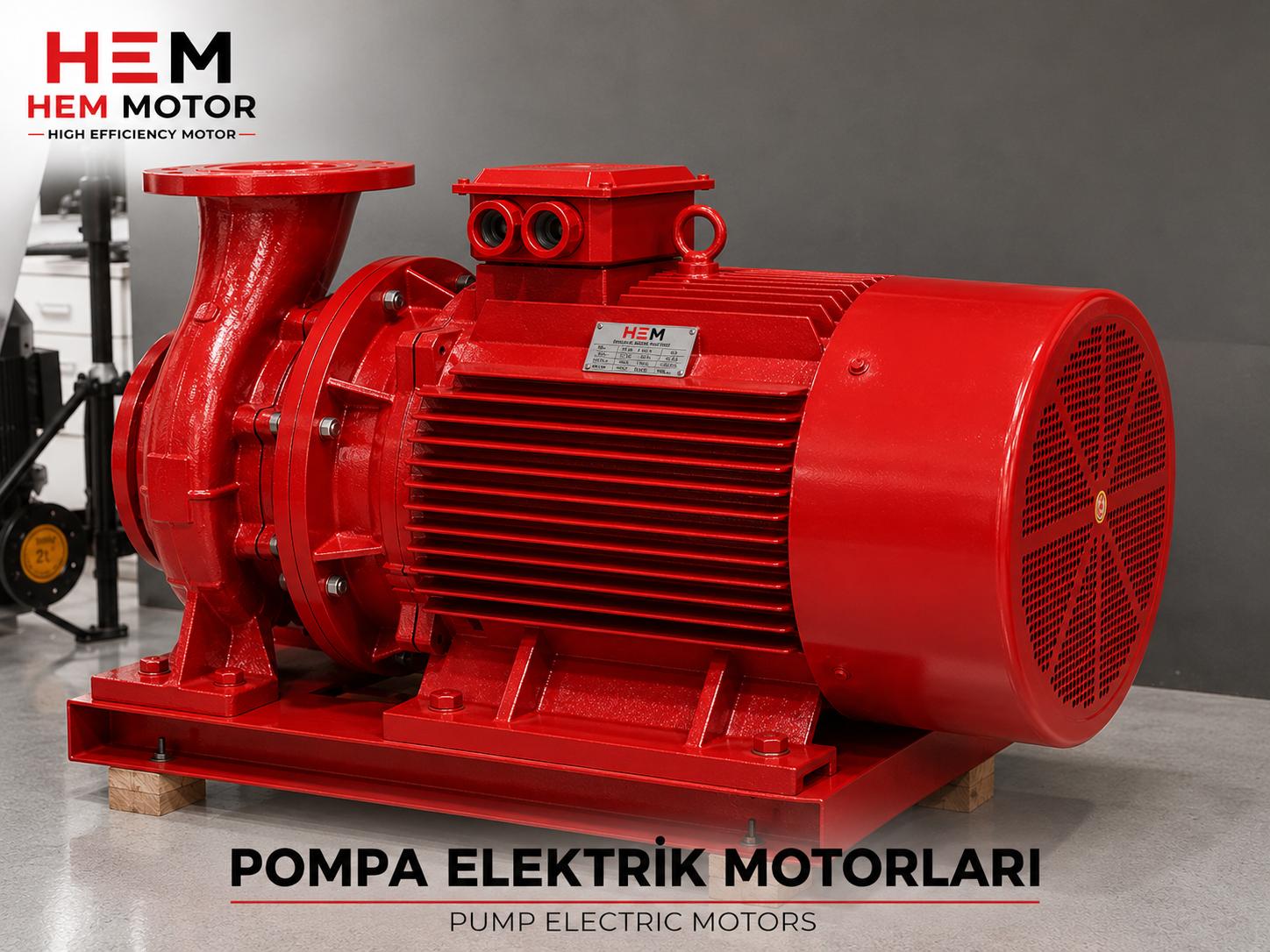
Every stage of tea production relies on electric motors that run continuously and reliably. From withering troughs to rolling machines, from dryer fans to screening-grading lines and conveyors, the entire system stays up with correctly selected motors. As HEM Motor, we combine stock sales, fast quotation, and manufacturer-direct supply for your tea factory electric motor needs. Especially during peak season, since one motor stopping can halt the whole line, delivery speed and correct application fit are as critical as the tea factory electric motor price. On this page we address the motor needs of tea processing plants step by step.
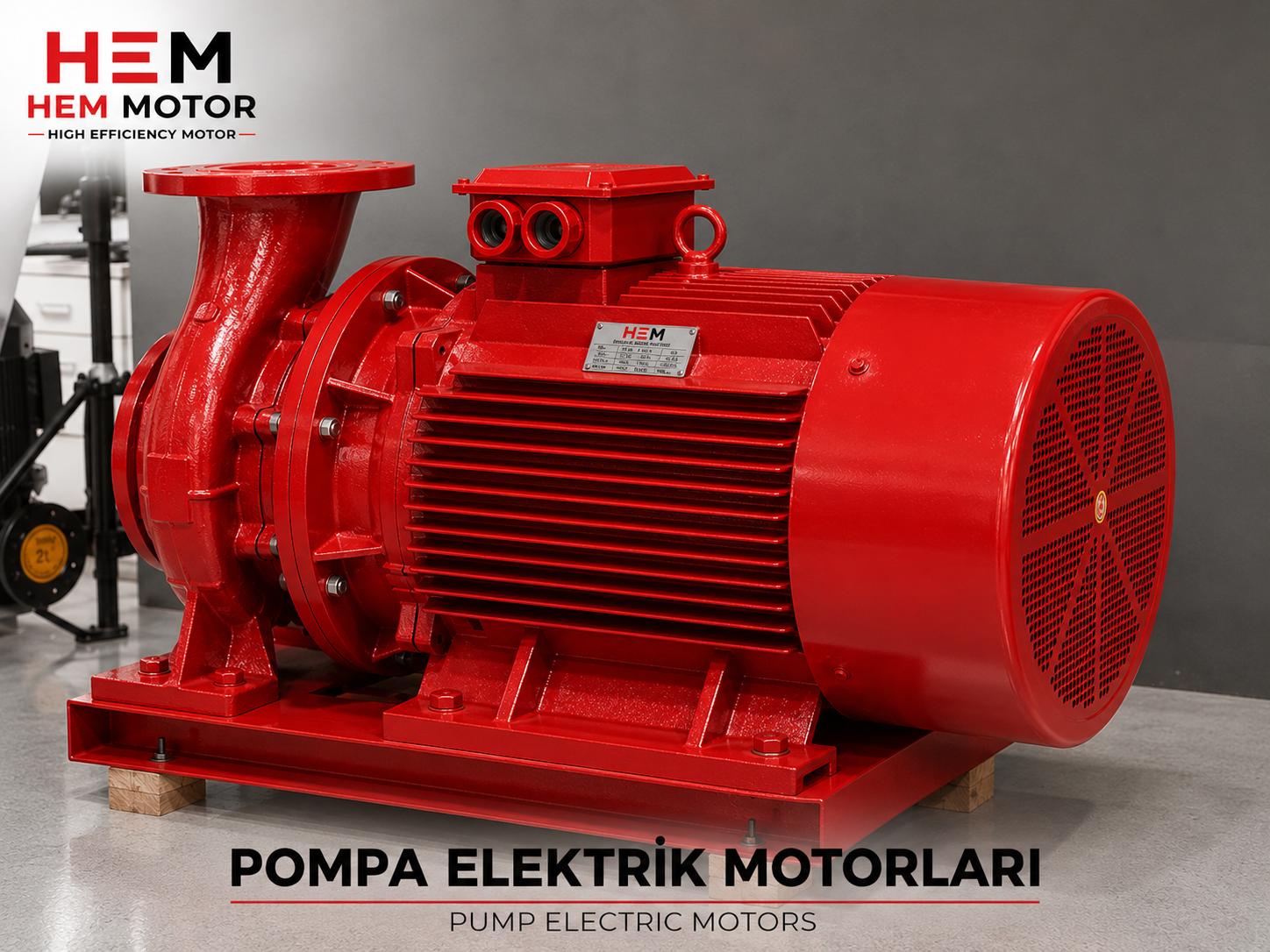
The Stages Where Motors Work in a Tea Factory
Tea processing is completed as the fresh leaf passes through many successive mechanical and thermal operations after harvest. Each stage is driven by motors requiring different power and speed. The tea factory motors we ship fast from stock most often work in these stages:
- Air circulation fans in withering troughs
- Drive motors of rolling and curling machines
- Dryer fan and blower motors
- Drive of screening and grading sieves
- Conveyor belt and material handling motors
- Water pumps and in-plant pump applications
Each of these stages has a different duty cycle. Withering fans run for long hours at low speed, while rolling machines demand high torque; dryer fans serve continuously in a hot environment. This diversity makes application-specific motor selection mandatory in a tea factory rather than one single type. For the right power and speed combination, our HP-kW matching guide is a useful reference.
Seasonal Intensity and the Importance of Stock
Tea production is largely seasonal. During harvest, factories run day and night, and in this busy period a motor failure means the fresh leaf cannot be processed; that is a direct product loss. This is precisely why stock sales and fast delivery become a priority for tea factories, even ahead of price.
| Need | HEM Motor Advantage |
|---|---|
| Pre-season renewal | Fast delivery from a wide stock range |
| In-season emergency failure | No-wait replacement motor supply |
| Special configuration | Short time with manufacturer-direct supply |
| Hygiene and durability | Suitable protection class and insulation |
Stocking spares for critical motors before the season minimizes downtime risk during the busy period. We plan together which motors should be kept as spares and the right equivalent selection. For a fast quote, reach us via our HEM Motor electric motor prices page.
Food Hygiene, Humidity and Temperature Conditions
Since tea is a food product, hygiene and cleaning conditions matter in processing plants. At the same time, the withering and drying stages involve high humidity and temperature. These conditions make protection class and insulation class decisive in motor selection:
- IP55 and above protection: Resistance against dust and moisture ingress
- F/H insulation class: Thermal margin in the hot environment around the dryer
- High protection class options for washdown areas
- Suitable frame paint and sealing against corrosion
Heat resistance stands out around dryer fans, while moisture and water resistance lead in withering and washdown areas. Choosing the right protection class lets the motor run for years without early failure. For correct motor selection in hygienic and humid environments, our ventilation electric motors and HVAC sector electric motors pages offer relevant solutions.
Pump Applications and In-Plant Water Systems
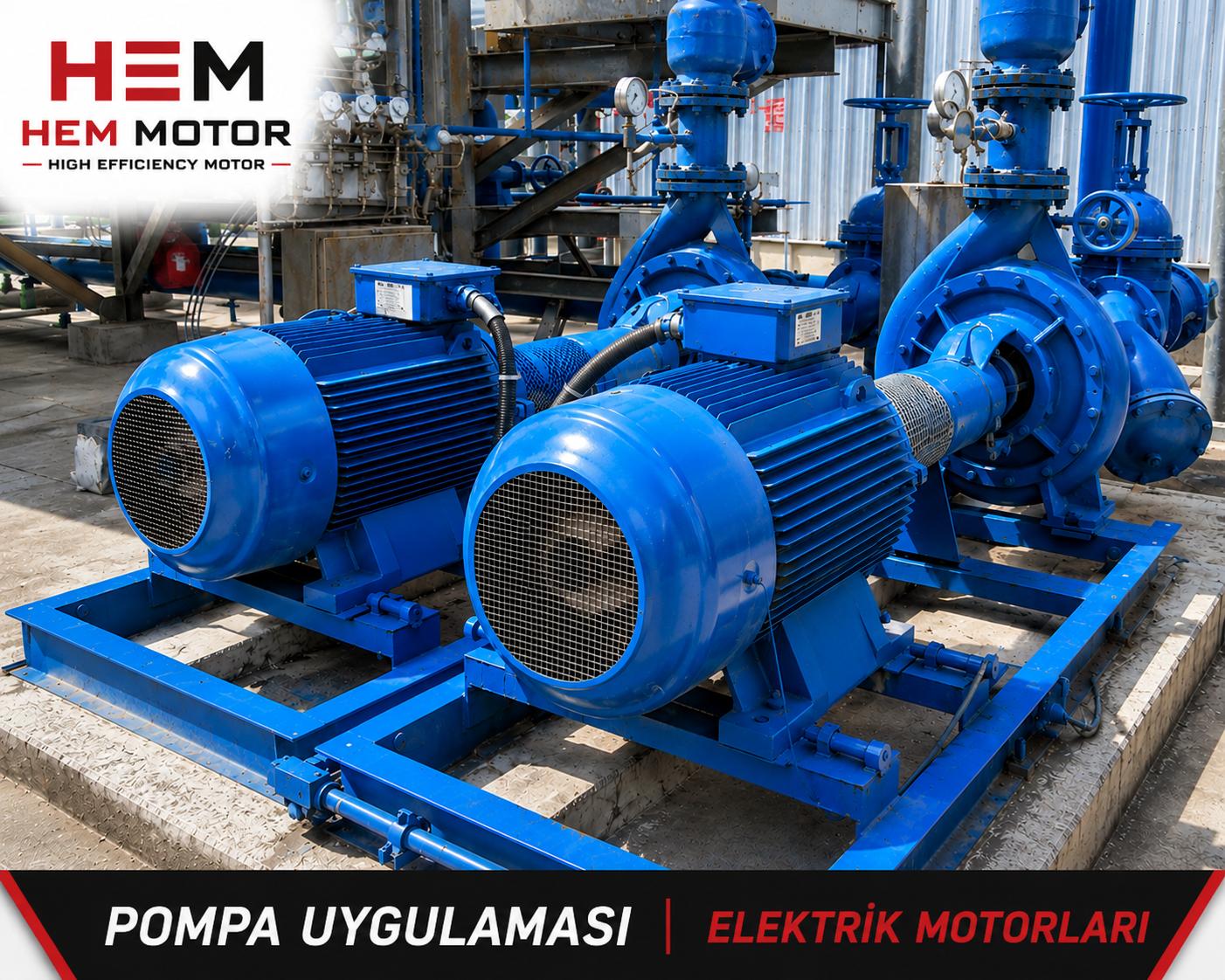
In tea factories, water is heavily used for both process and cleaning. Pump motors serve continuously in water transfer, cooling, and cleaning lines. In these applications, the motor's compatibility with the pump, correct speed, and sealing are critical. HEM Motor branded pump motors provide a reliable solution in the water systems of tea plants.
- Direct coupling compatibility in centrifugal pumps and booster sets
- Insulation and durability suitable for continuous operation
- Suitable protection class and oil seal for humid environments
For the right motor selection in pump applications, we recommend reviewing our pump electric motors and booster electric motors pages. Our pump, fan and blower motors category, where we address the effect of efficiency on operating cost, also contains useful information for food plants.
Efficiency Class and Operating Cost
Since tea factories run day and night during the season, motor efficiency reflects directly on operating cost. Under current regulations, IE3 stands out as the baseline class; for continuous fan and pump applications, IE4 super-premium efficiency provides a faster return. In a plant with many motors, the efficiency difference turns into a significant energy cost over the season.
We recommend reviewing our guide on the IE4 threshold in pumps, fans and compressors before deciding on the right class. You can also explore our range from the IE3 electric motors category. The right efficiency class creates a noticeable price-performance advantage on your energy bill at the end of the season.
Motor Selection in Conveyor, Screening and Grading Lines
In a tea processing plant, material is moved from stage to stage by conveyors and handling systems; then screening and grading sieves separate the tea by size. On these lines the motor usually runs continuously at low-to-medium speed, so durability and smooth torque transmission stand out. Geared motors are common in conveyor drives; the right output speed and torque make motor-gearbox matching important.
- Conveyor drive: Continuous load, smooth start, and low vibration
- Screening/grading: Balanced and durable drive in vibrating sieves
- Gearbox compatibility: Motor-gearbox match for the right output speed
For handling and conveyor applications, our material handling electric motors and conveyor belt electric motors pages offer directly relevant solutions. The right drive selection keeps the line moving without jams throughout the season.
Steps to Select the Right Tea Factory Motor
There are a few steps to put motor selection in a tea factory on a solid footing. These steps help you both find the right motor and avoid unnecessary cost:
- Determine the power and speed demand of each stage separately (withering, rolling, drying, screening, conveyor).
- Evaluate each stage's ambient condition (humidity, temperature, dust) and choose protection and insulation class.
- For continuously running units, set the efficiency class (IE3/IE4) based on operating cost.
- Clarify the mounting type (B3/B5/B35) and gearbox compatibility per machine.
- Create a spare-stock plan for critical motors before the season.
By evaluating these steps with you, we supply the most suitable motor for every line of your tea processing plant. For general-purpose applications, our general-purpose industrial motors page also offers a wide range of options for your needs.
Frequently Asked Questions
What determines the price of a tea factory electric motor?
The price is set by power, pole/speed, efficiency class (IE3/IE4), protection class, and application-specific options. For the most accurate price-performance assessment, share your needs per stage and request a fast quote.
How fast can I receive a motor for a failure in mid-season?
We ship the most-requested fan, pump, and conveyor motors fast from stock. For special configurations, our manufacturer-direct supply provides a short lead time.
Which insulation class is suitable for a dryer fan?
In the hot environment around the dryer, class F or H insulation is preferred; this lets the motor run with a wide thermal margin and long life. Share your application and we will determine the right class together.
Which protection class is needed for humid withering and washdown areas?
In these areas, IP55 and above protection is recommended; in washdown-exposed areas, higher IP class options are preferred. The right protection prevents moisture- and dust-related failures.
Can I replace my existing tea factory motors with new ones?
Yes. When frame size, shaft diameter, and mounting are matched, replacement is seamless. Sending the old motors' nameplate data is enough for the correct equivalent.
We stand by you to select the right motor at every stage of your tea factory with the correct efficiency and protection class and to avoid downtime during peak season. For fast delivery from stock and a clear quote, request a fast quote now from our electric motor prices page; let us offer the most suitable solution for your tea processing plant with HEM Motor assurance.