 English
 Türkçe

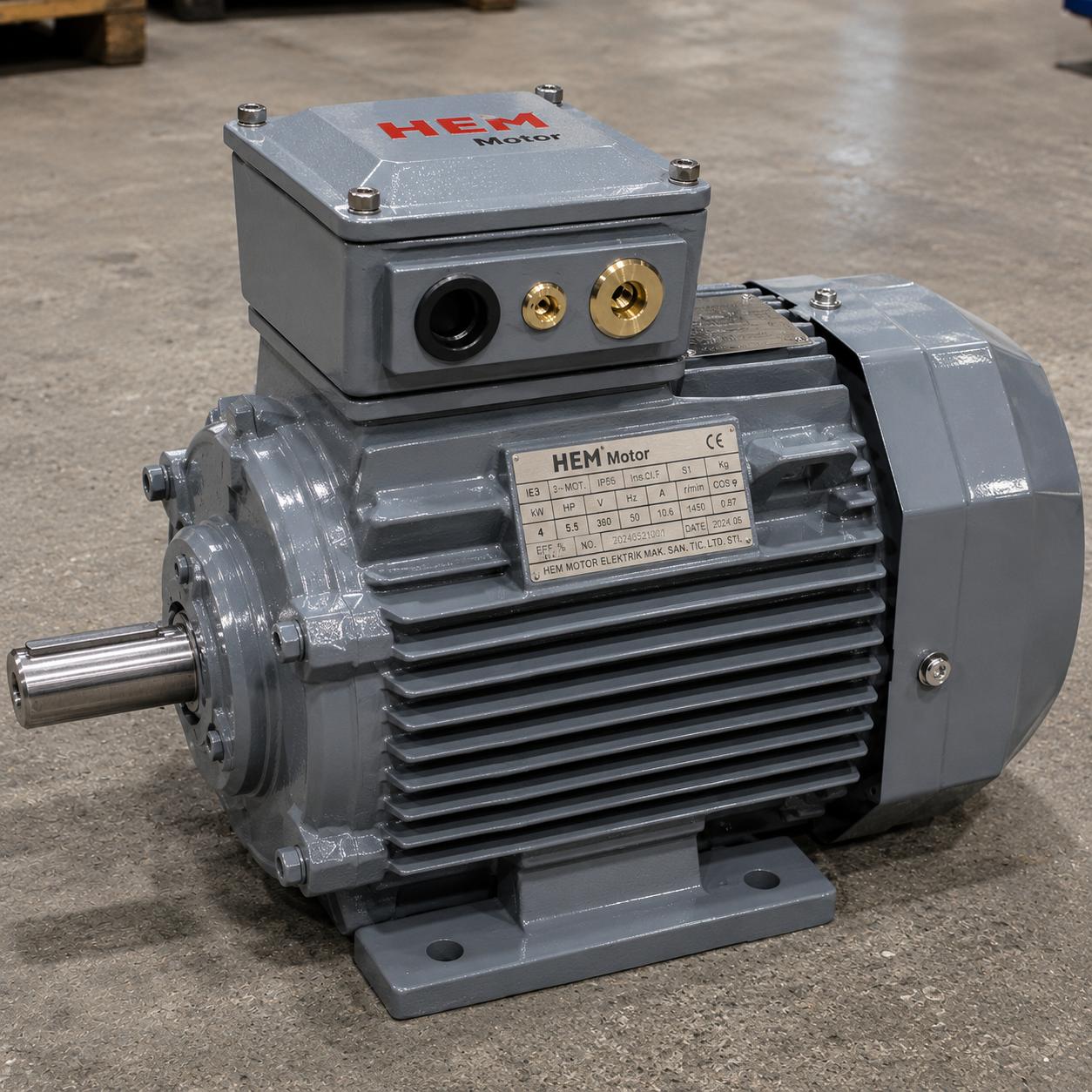
Offset, flexo and rotary printing machines are continuously running machines used in paper, cardboard and flexible packaging production that require precise speed control. At the heart of these machines, the printing and press machine electric motor demands both high speed precision and quiet, continuous operation. HEM Motor meets these special needs of the printing and press sector directly from the manufacturer, with an advantageous price-performance balance and broad stock. You can source low-vibration, long-life motors suitable for precise speed control with a frequency converter (VFD) and encoder from a single address. On this page you will find speed precision, quiet operation, continuous-duty endurance and our fast quotation process in printing-machine drive motors.
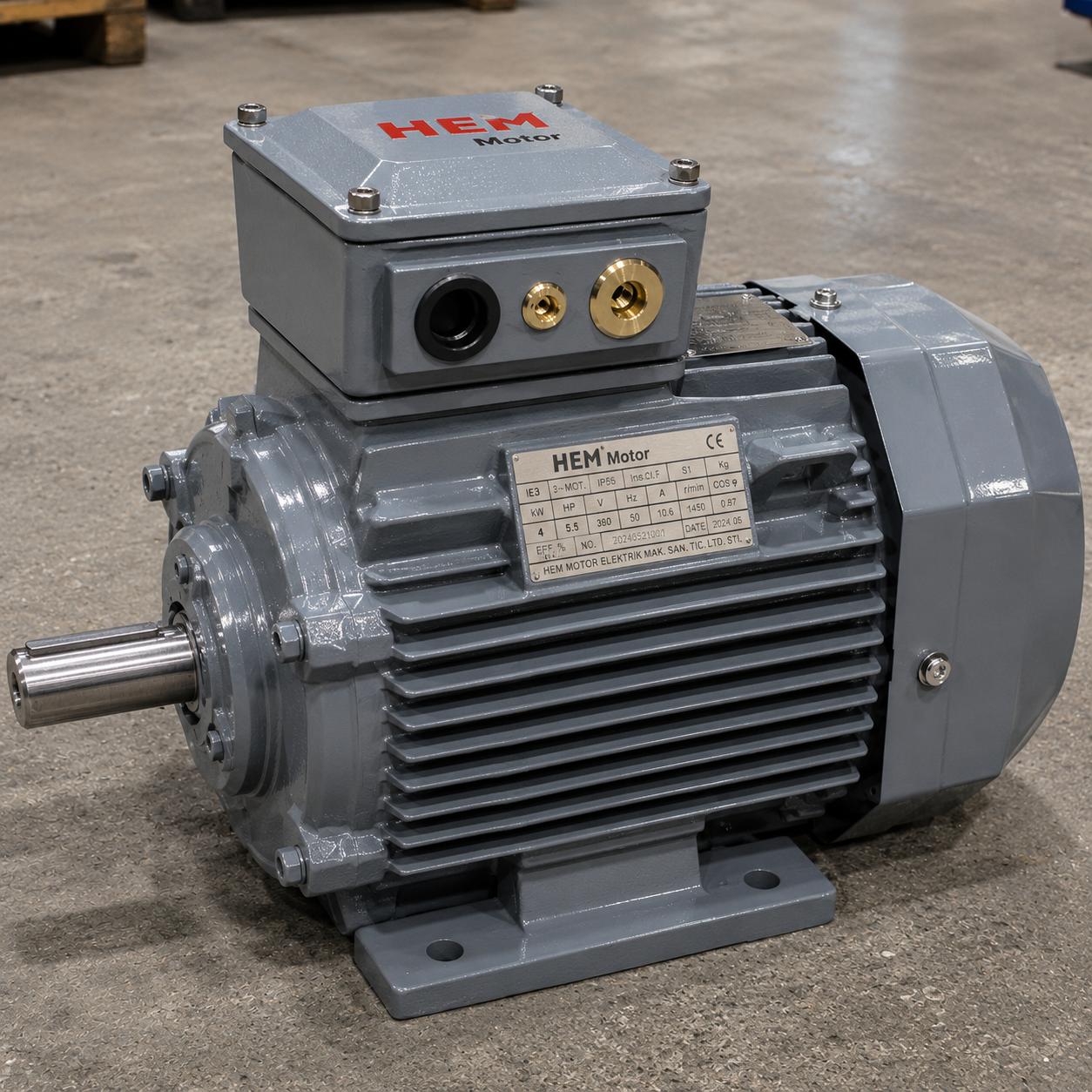
Precise Speed Control and VFD Compatibility in Printing Machines
In offset and rotary printing, print quality depends directly on speed synchronisation between the different units of the line. Operating the paper feed, printing units, drying and rewinding sections at compatible speeds prevents colour shift and tonal errors. For this reason, printing-machine motors are selected to be driven by a frequency converter (VFD) and are often used together with an encoder for feedback. As HEM Motor we supply motors with insulation and bearing structures suitable for drive operation directly from the manufacturer, helping you achieve precise speed control safely on your printing line.
In a printing motor driven by a VFD, it is important to produce continuous torque at low speeds and to maintain cooling at low speed. At this point the forced-cooling fan option allows the motor to run over a wide speed range without overheating. Closed-loop control with encoder feedback keeps the printing speed at the desired value and guarantees consistency even during rapid stops and starts.
Key Features Sought in a Printing-Machine Motor
- VFD compatibility: Smooth operation over a wide speed range with a drive
- Encoder feedback: Closed-loop precise speed control
- Low vibration: Quiet, balanced rotation that protects print quality
- Continuous duty (S1): Uninterrupted operation over long shifts
- Forced-cooling option: Safe heat management even at low speed
The Effect of Quiet, Low-Vibration Operation on Print Quality
In a printing environment, motor-induced vibration is reflected directly in print quality. High vibration can cause micro-slips in cylinder and roller systems, leading to blurred printing and colour shift. For this reason, low vibration and quiet operation are critical quality criteria in printing-machine motors. A precisely balanced rotor, quality bearing selection and a balanced winding structure both protect print quality and extend motor life. As HEM Motor we produce motors for printing applications with the goal of low vibration and quiet operation, supporting consistent print quality on your press lines.
Quiet operation matters not only for quality but also for the working environment. A low noise level throughout long shifts increases operator comfort and provides an occupational-health advantage. The right low-noise motor selection makes a real difference in continuous printing operations.
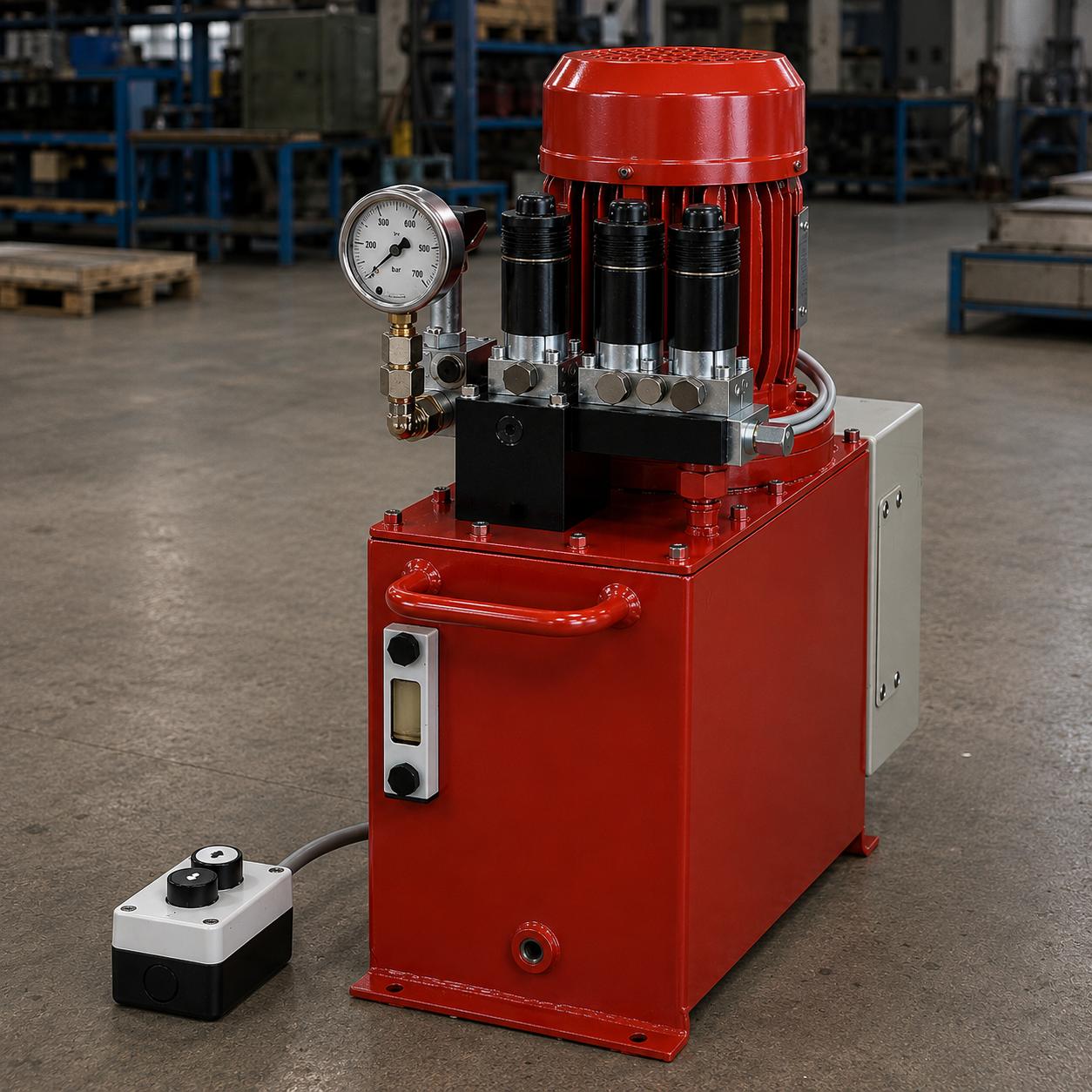
Continuous-Operation Endurance in Paper, Cardboard and Packaging Production
Printing and press plants often run in shifts, without interruption. This requires motors to have the endurance to run all day without stopping, in continuous-duty (S1) conditions. In environments with dense paper and cardboard dust, it is also important for the motor to have a sufficient IP protection class and for the cooling channels to be protected from dust. In flexible packaging and label printing, where there are frequent stops, starts and speed changes, the motor is expected to withstand this regime. HEM Motor supplies durable motors suitable for continuous operation, matched to these different printing scenarios, directly from the manufacturer.
Selecting the right motor for the continuous lines and torque requirements of the paper and packaging sector requires evaluating the duty type, protection class and cooling together. We help you choose the most suitable motor for each printing unit and speed up the supply process with our manufacturer identity. For background reading you can review our industrial general-purpose motors blog category and our electric motors guides.
| Printing Unit | Motor Requirement | Highlighted Feature |
|---|---|---|
| Paper feed | Precise speed, synchronous operation | VFD and encoder compatibility |
| Printing unit | Low vibration, constant torque | Balanced rotor, quiet operation |
| Drying fan | Continuous duty, thermal endurance | S1 duty, suitable insulation |
| Rewinding / coil | Torque control, speed change | Flexible control with VFD |
Power, Speed and Connection Selection in a Printing-Machine Motor
Determining the right power and speed in a printing-machine motor is important for both print quality and energy efficiency. Main drive motors are generally selected as 4-pole (around 1500 rpm) and the required speed range is obtained with a VFD; drying fans and exhausters may be 2 or 4-pole depending on the application. Rewinding and coil units require variable speed and torque control, so they need a motor fully compatible with drive operation. For the connection type, B3 foot, B5 flange or B35 (foot-flange) options are preferred according to the machine structure; when replacing an existing motor, the frame and connection dimensions of the old motor must be preserved one-to-one. As HEM Motor we determine the right power-speed-connection combination for each unit of your printing line together and quickly supply the suitable motor from stock.
The right power selection prevents oversizing and lowers energy cost; undersizing leads to motor strain and early failure. When you share your machine nameplate details, we recommend the motor suited to the load profile of the printing unit without error.
Maintenance and Long Life in Printing Motors
In continuously running printing machines, motor maintenance is critical for uninterrupted production. Following bearing greasing intervals, cleaning cooling channels of paper dust and correctly setting drive parameters significantly extend motor life. Periodic vibration and temperature checks catch potential faults at an early stage and prevent unplanned downtime. As HEM Motor we guide you in selecting the right product for the long-life and reliable operation of the printing motors we supply, so that you minimise your maintenance costs and unplanned-downtime risk.
Supply From the Manufacturer and Fast Quotation Advantage
In printing and press plants, a motor failure can stop the entire production line, so fast supply and the right stock are critical. HEM Motor offers printing-machine motors with its manufacturer identity, broad stock and advantageous electric motor prices. Being a manufacturer allows us to respond quickly to both standard and special requests. When a one-to-one replacement of an existing motor is needed, we quickly determine the suitable motor from your nameplate details and offer lead time and price-performance advantage together with our fast quotation process. For our wide product range and price advantage you can visit the HEM Motor home page.
To reach suitable product groups for your printing lines, you can review our general-purpose industrial motors and standard electric motors pages for general-purpose applications. For packaging and wrapping units, our packaging and wrapping machine motors product group provides the right solution for post-print lines.
Frequently Asked Questions About Printing and Press Machine Motors
Should a printing-machine motor be run with a VFD?
Yes; since speed precision and synchronisation are critical in offset and rotary printing, motors are generally driven by a frequency converter (VFD). Units requiring precise control are also run in closed loop with encoder feedback.
Why is low vibration important in a printing motor?
Motor vibration is reflected onto the cylinder and roller system, which can degrade print quality and cause blurred printing and colour shift. A precisely balanced, quiet motor protects print quality and extends motor life.
Does a printing motor running at low speed with a VFD overheat?
At low speed its own fan may not provide sufficient cooling. In this case a forced-cooling fan option is recommended, so that the motor runs continuously over a wide speed range without overheating.
Can you replace my existing printing-machine motor one-to-one?
Yes; when you share the nameplate details of the existing motor (power, speed, frame, connection type), we quickly determine a one-to-one compatible motor and supply it from stock.
How quickly do you supply printing-machine motors?
Thanks to our manufacturer identity and broad stock, we provide fast delivery on standard requests. When you share your need, we provide lead time and price information together through our fast quotation process.
Source the Right Motor for Your Printing Line From the Manufacturer
Motors that combine precise speed control, quiet operation and continuous-duty endurance for your printing and press machines directly affect your production quality and continuity. HEM Motor, with its manufacturer identity, broad stock and advantageous price-performance balance, offers motors suitable for offset, flexo and rotary printing applications from a single address. When you share your need, our fast quotation process recommends the most suitable motor for your printing line. Contact us to source the right printing-machine motor from the manufacturer, at a competitive price and with fast delivery.