 English
 Türkçe

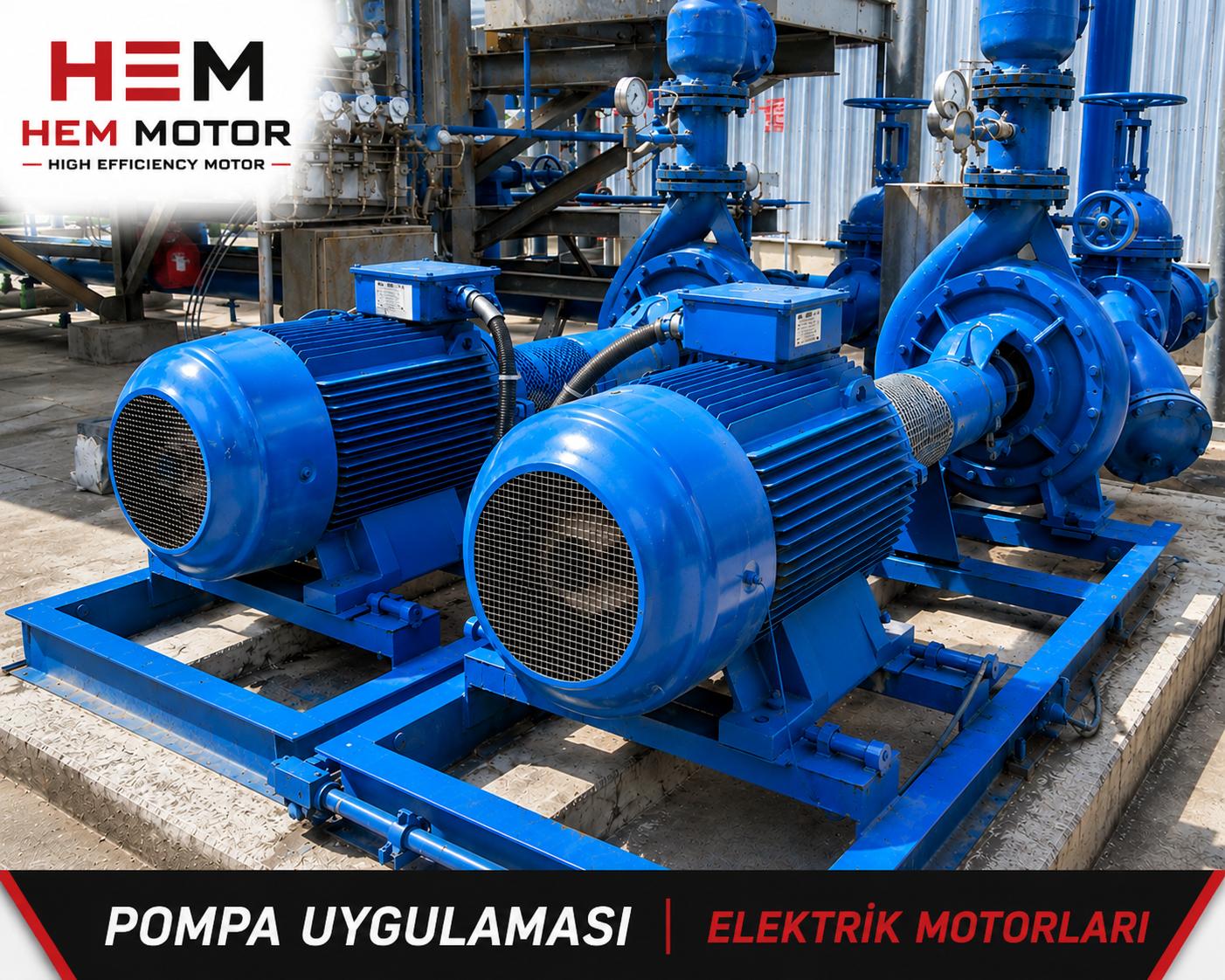
Egg and poultry facilities are living production environments that operate around the clock. Inside the houses, ventilation fans turn constantly, feeding lines advance continuously, water and cooling pumps run, and manure belts and egg collection conveyors engage many times each day. At the heart of all this mechanical motion are electric motors. When selecting an egg and poultry facility electric motor, what you are really looking for is not just power; it is a drive solution that will run reliably for years in a dusty, humid, ammonia-laden environment that is washed down frequently. As a company that has manufactured and sold electric motors since 1979, HEM Motor supplies motors designed for exactly these demanding farm conditions from stock, offering project-specific quotations and delivery planning.
In poultry operations, every minute of downtime means lost money and, worse, a risk to animal welfare. On a hot summer day, a failed ventilation motor can endanger the entire flock within minutes. That is why redundancy, fast stock availability and reliable after-sales support become decisive when choosing motors for poultry facilities. Below we explain the motor types used in egg and broiler production, the selection criteria, and what you should know about electric motor prices, with practical examples. With our stock delivery, project support and durability-focused approach, we make sure your facility is matched with the right motor.
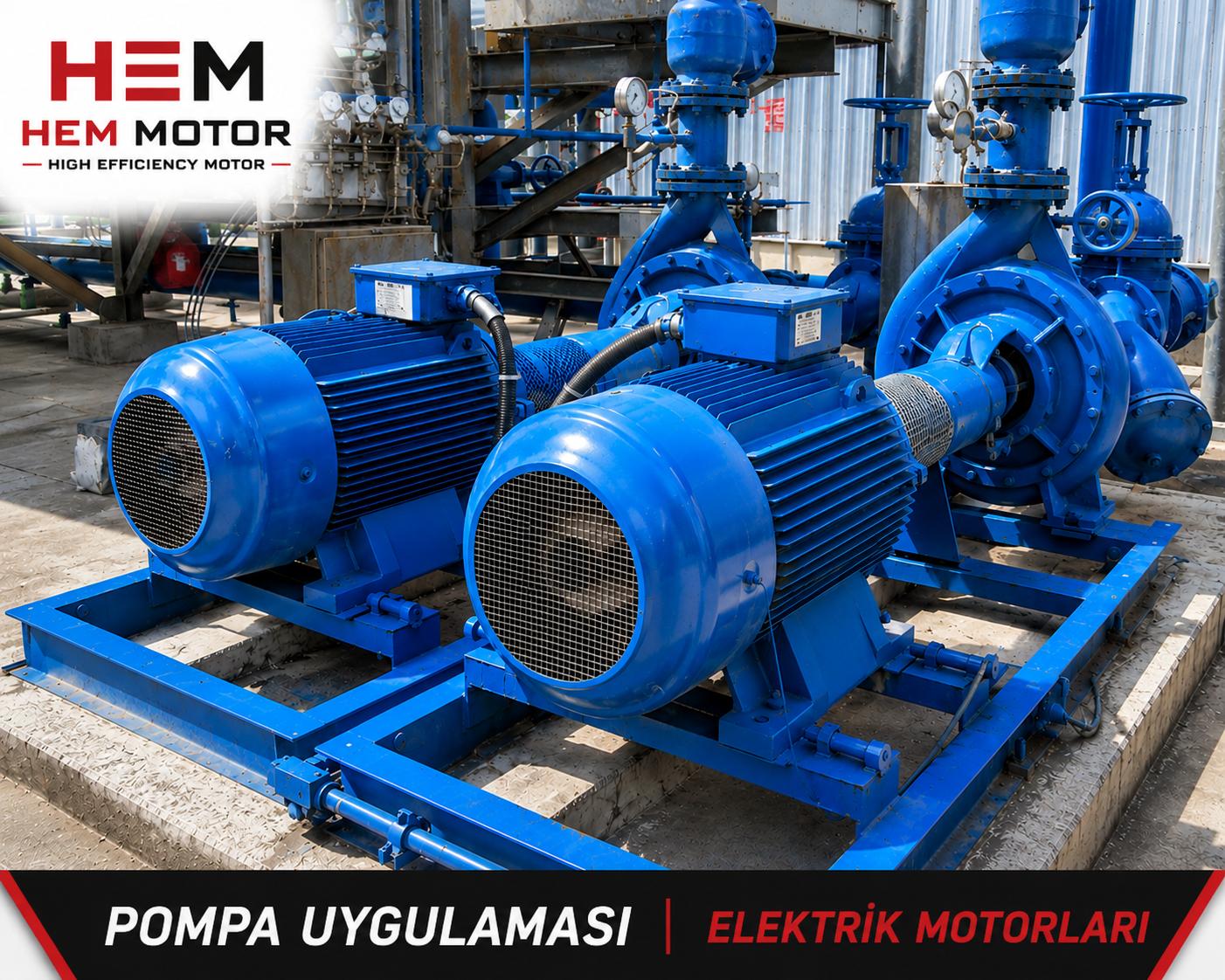
The Role of Electric Motors in Egg and Poultry Facilities
A modern layer house or broiler production facility is a complex, automation-managed system. Animal comfort, production yield and biosecurity depend directly on properly running motors. An egg and poultry facility electric motor must be selected to withstand continuous duty, dusty air, high humidity and periodic pressure washing. While a standard industrial motor wears out quickly under these conditions, motors built with farm-grade housings, sealing and efficiency classes serve flawlessly for years.
Depending on the size of the facility, dozens or even hundreds of motors run at the same time. Therefore it is essential that motors are compatible with one another and easy to source for spares and replacement. At HEM Motor, we provide integrated supply from a single fan motor to the entire drive infrastructure of a facility; stocked products from the same series make both initial installation and future maintenance easier.
Why Farm-Specific Motors?
A poultry house is very different from an ordinary factory environment. Dust and feathers float constantly in the air, ammonia gas causes corrosion, humidity is high, and motors are regularly washed with pressurized water for cleaning. When these factors combine, a motor with a low protection class soon suffers winding failure, bearing damage or housing corrosion. Farm-specific motors prevent these problems with a high IP protection class, corrosion-resistant surface coating and moisture-proof winding impregnation.
Poultry House and Farm Motor Types
An egg and poultry facility contains various motor types, each performing a different task. Placing the right drive at the right point is critical for both energy savings and long service life. Below we list the most common motor applications found in a facility.
Ventilation Fan Motors
House ventilation is the number one determinant of animal health. Tunnel ventilation fans and exhaust fans run continuously to keep temperature, humidity, carbon dioxide and ammonia levels under control. In this application motors may turn 24 hours a day; that is why low-heat, high-efficiency and quiet-running motors are preferred. Our ventilation fan motors, with bearing and winding designs suited to continuous duty, serve safely even during hot summer months. For detailed options, see our Ventilation Electric Motors category.
Feeding Line and Auger Drive Motors
Automatic feeding systems carry feed from the silo to the feeders inside the house. Augers, chain feeding lines and feed distribution carts perform this task. Because feeding motors engage and stop many times during the day, they must withstand frequent start-stop cycles and variable load. You can find our range for feeding lines on the Feed Machine Electric Motors page.
Water and Cooling Pump Motors
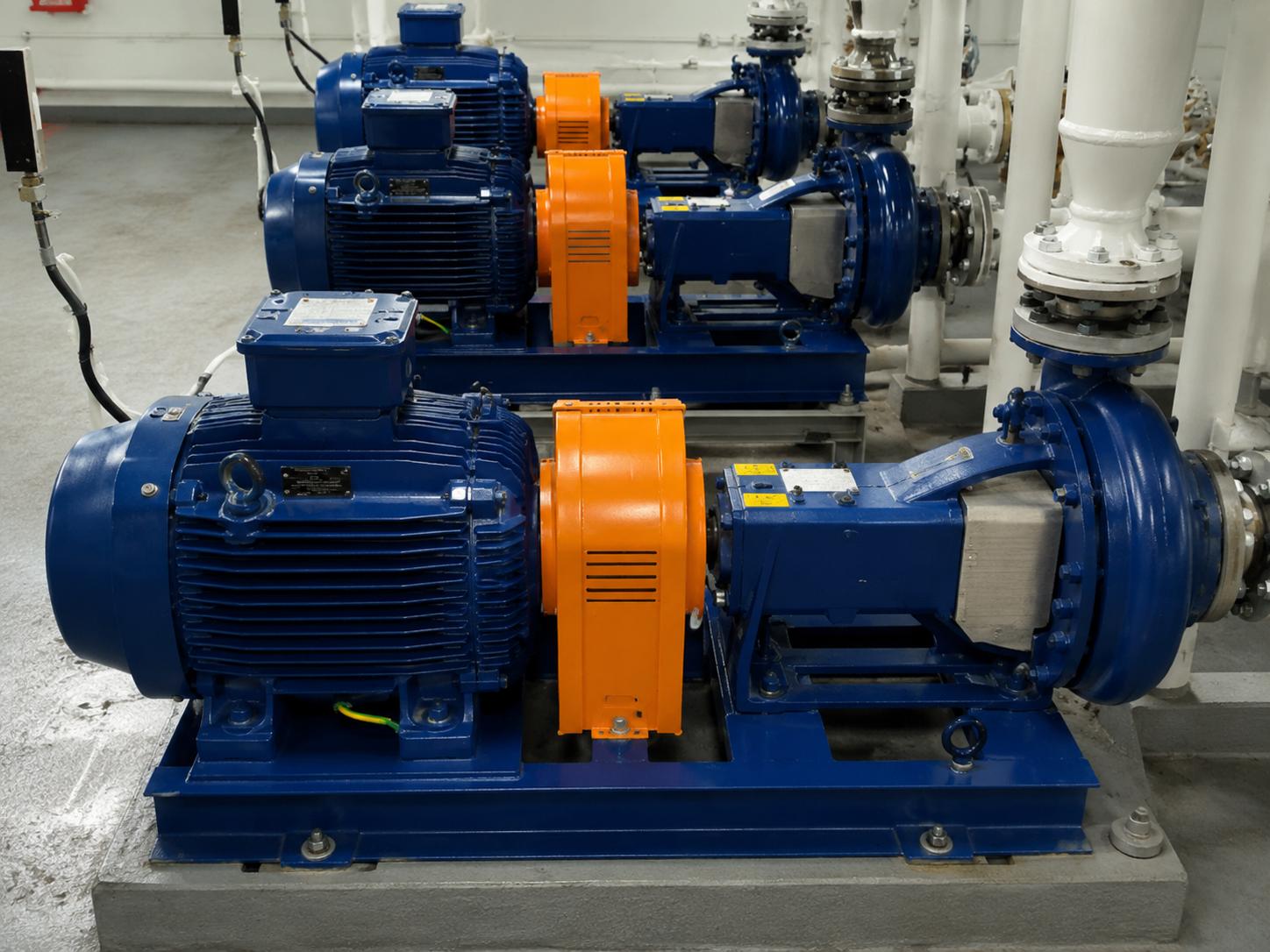
Pump motors are required for drinking water lines, fogging systems and evaporative cooling pads. Especially in hot climates, uninterrupted operation of cooling pumps is vital to protect the flock from heat stress. In these motors, which work in a constant water and moisture environment, a high protection class and a sealed terminal box are indispensable.
Manure Belt and Conveyor Drive Motors
In layer cage systems, manure belts regularly carry droppings out of the house. This reduces ammonia buildup and protects the air quality inside the house. Manure belt drive motors produce high torque at low speed to pull heavy belts. For our conveyor drive solutions, take a look at our Conveyor Belt Electric Motors category.
Egg Collection Conveyor Motors
Transporting eggs from the cages to the collection center without damage requires a sensitive conveyor system. These motors must start softly and run smoothly at a steady speed. Reducing the rate of broken eggs depends directly on motor and gearbox selection. Our motors, which provide smooth torque transmission, keep losses to a minimum on egg collection lines.
What to Consider When Choosing the Right Motor
Selecting a motor for an egg and poultry facility is not done by looking at the power rating alone. The criteria below are decisive for your house to run trouble-free for many years.
- Protection class (IP): A high IP protection class is essential to withstand dust, moisture and pressure washing. Motors with low protection are short-lived in the house.
- Efficiency class: In continuously running ventilation and pump motors, a high efficiency class delivers serious savings on the annual energy bill. High-efficiency motors cost a little more at first but pay for themselves quickly.
- Duty cycle: Ventilation motors run continuously, feeding motors start and stop frequently. Each application requires a motor suited to its own duty.
- Corrosion resistance: Ammonia and moisture cause corrosion. Housings with special paint and coatings resist this effect.
- Redundancy and stock: For critical motors, fast availability of a spare guarantees production continuity. Stock supply is decisive here.
- Inverter compatibility: Inverter-controlled motors are preferred to adjust ventilation flow steplessly; this provides both comfort and savings.
If you want to see the full range of high-efficiency motors, our High Efficiency Electric Motors section is full of options suited to poultry and farm applications. For industrial fan applications, our Industrial Fan Motors series stands out.
Biosecurity, Cleaning and High Protection Class
In poultry facilities, biosecurity is the foundation of reducing disease risk. Houses are periodically emptied, disinfected and washed with pressurized water. During this process, motors inevitably come into contact with water. This is exactly where motors with a high IP protection class make the difference. A waterproof housing, a protected terminal box and moisture-proof winding allow motors to keep running smoothly even after washing.
Biosecurity also means fast cleaning. Motors with smooth housings, easy-to-wipe and dust-shedding surfaces shorten disinfection time. At HEM Motor, we observe these details in the farm-specific motors we manufacture, providing both hygiene and durability. Choosing the correct protection class significantly reduces failure costs and downtime over the long term.
Energy Efficiency and Operating Cost
In a poultry operation, the majority of the electricity bill comes from ventilation and pump motors. Because these motors run 24 hours a day for most of the year, even a small difference in efficiency class turns into large amounts annually. A high-efficiency motor does the same work with less electricity; heat loss decreases, the motor runs cooler and its life is extended.
Investing in energy efficiency is one of the smartest decisions for farm economics. When inverter control is added, ventilation fans can be slowed down and sped up according to need, eliminating unnecessary energy consumption. In pump motors, variable speed control finely adjusts water flow, saving both energy and equipment life. For more on pump, fan and blower applications, read our Pump, Fan & Blower Motors article.
Stock Supply, Project Support and Sales
Time is precious during house construction or motor replacement. A failed ventilation motor cannot be left waiting for weeks. That is why we keep a wide stock; we deliver motors in common power and speed ranges quickly. In urgent needs, stock supply keeps your production running without interruption.
If you are building a new facility or modernizing your existing house, our project support team is by your side. Based on the size of the facility, the number of animals and the climate conditions, we determine together which motors are suitable for which point. For ventilation, feeding, pumping and conveyor applications, we recommend the right motor type, power and efficiency class for each. When you need an egg and poultry facility electric motor, we deliver not individual products but a working system.
The HEM Motor Difference
As a company manufacturing and selling electric motors since 1979, we know the demanding conditions of the agricultural and livestock production sector very well. Our manufacturing experience is reflected in product quality and our ability to recommend the right solution. We stand behind every motor we sell, supporting you with after-sales technical service and spare parts supply. By reviewing the current electric motor prices and product range on our homepage, you can evaluate the most suitable solution for your house.
Motor Maintenance and Long Service Life
The way to extend the life of farm motors is through regular and simple maintenance. In a dusty environment, the cooling fins of motors can clog over time; periodic cleaning keeps the motor cool. Following the bearing lubrication schedule, checking winding insulation and inspecting the moisture-tightness of the terminal box prevent unexpected failures. When early warning signs such as excessive vibration, abnormal noise or overheating are monitored, large stoppages are prevented with small interventions.
A correctly selected and properly maintained motor serves for many years in the house environment. Motors that can be quickly supplied from stock and backed up from the same series also make maintenance planning easier. For all these reasons, we recommend viewing motor selection not as a cost item but as an investment in the continuity of your facility.
Frequently Asked Questions
Which protection class motor should I choose for an egg and poultry facility?
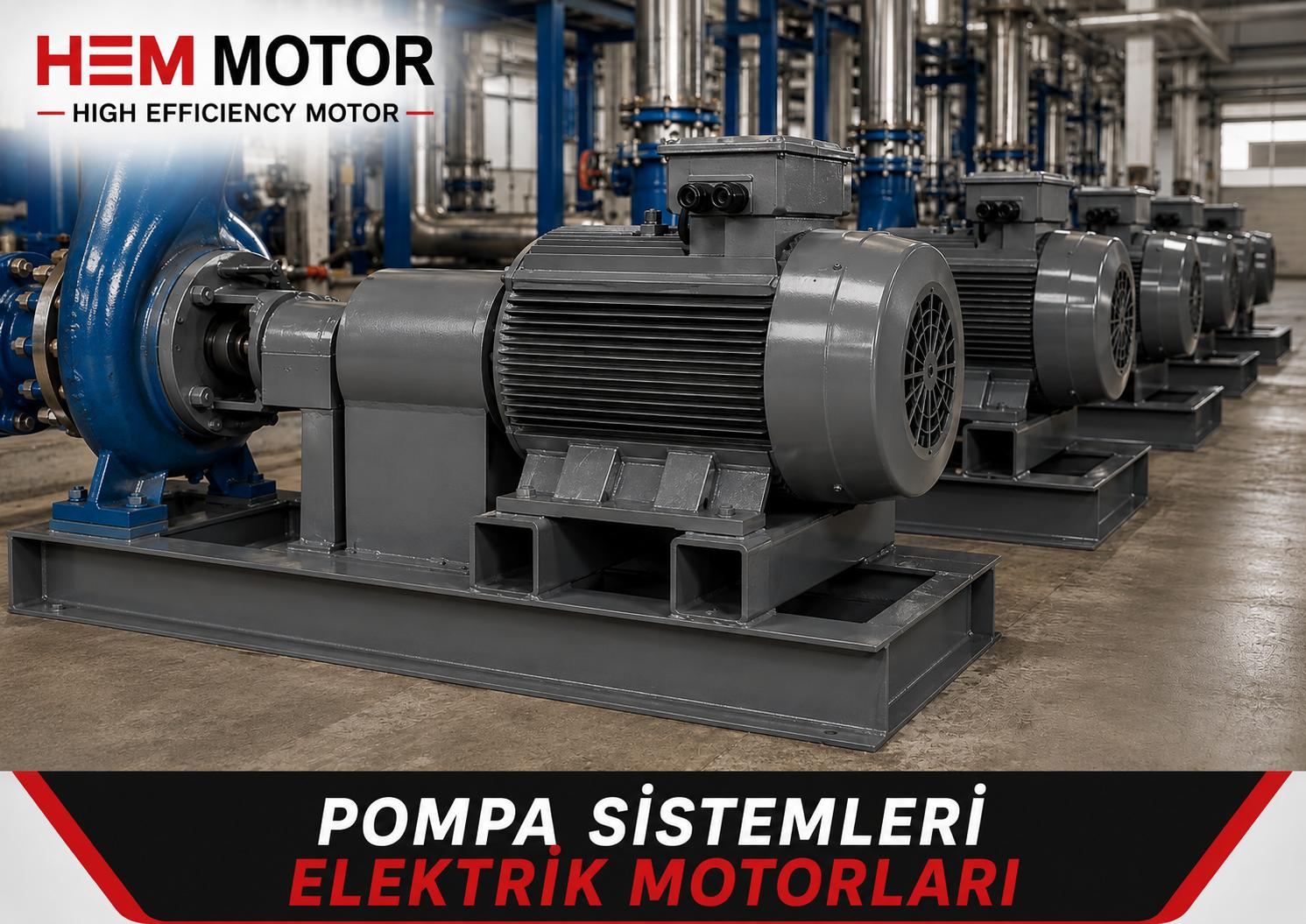
Because the poultry house environment is dusty, humid and frequently washed with pressurized water, motors must have a high IP protection class. Especially in ventilation and pump motors, a waterproof housing, a protected terminal box and moisture-proof winding impregnation are essential. Motors with low protection fail quickly under these conditions. Depending on your application, we can determine the right protection class together and deliver a suitable motor from stock.
How is energy saving achieved in ventilation motors?
Because ventilation motors run 24 hours a day, they make up the largest part of energy consumption. Motors in a high efficiency class do the same work with less electricity. In addition, when fan speed is adjusted to need with a frequency inverter, fans can be slowed in cooler weather for serious savings. Using a high-efficiency motor together with inverter control noticeably lowers the annual electricity bill and extends motor life.
How are motor prices and delivery times determined?
Current electric motor prices vary according to the motor's power, speed, efficiency class, protection class and application type. We deliver motors in common power and speed ranges quickly from stock; for special requirements we provide a project-based quotation and delivery plan. When you share your needs, the size of the facility and the application with us, we clarify together the most suitable motor option, its price and its delivery time.