 English
 Türkçe

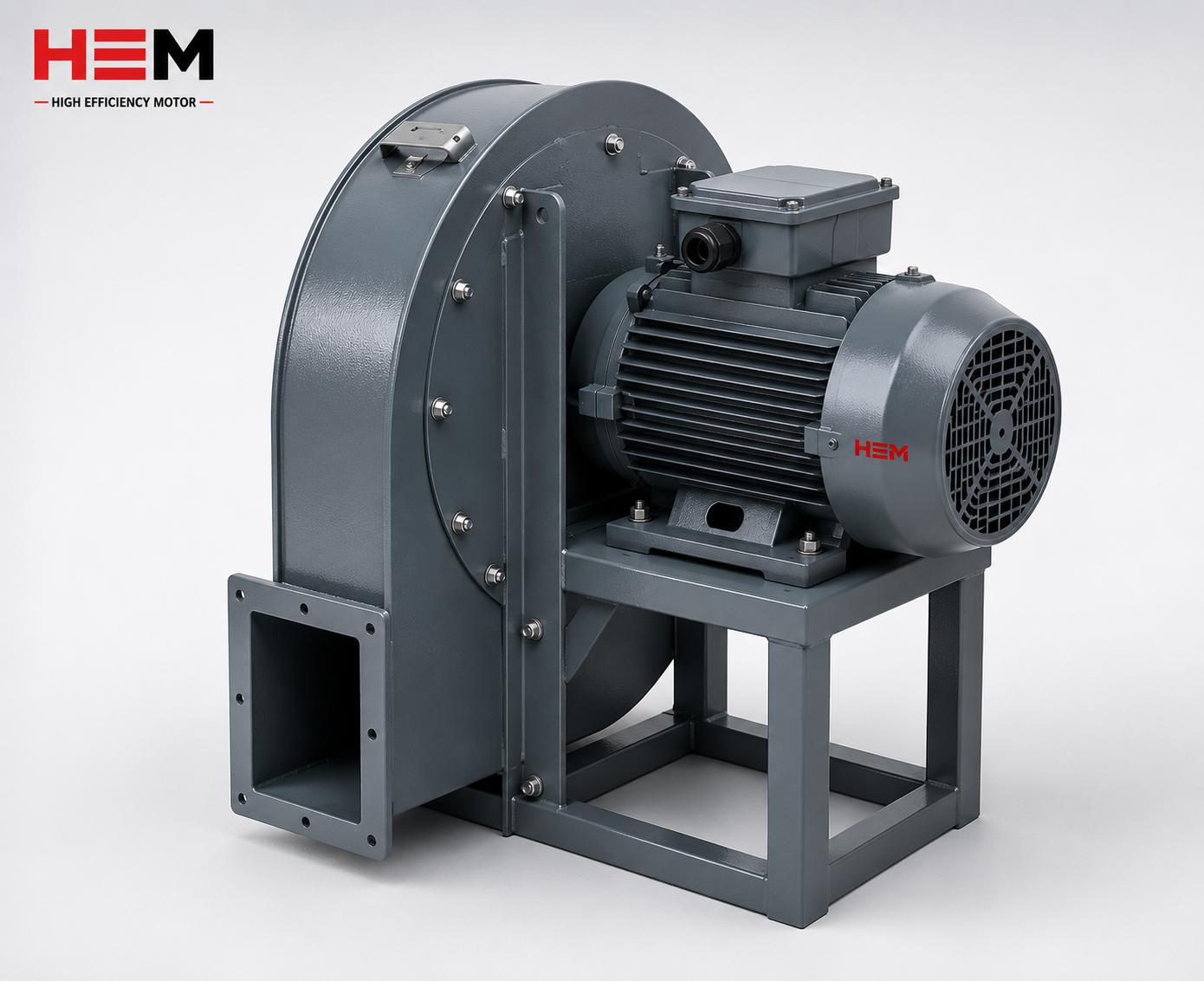
A cooling tower is the critical link that rejects a facility's process heat to the outside, and at the heart of this task sits the cooling tower fan electric motor that turns the fan. When water droplets, constant humidity, outdoor conditions and a usually low-speed/high-torque requirement come together, a poorly selected motor fails quickly and jeopardizes cooling capacity. As HEM Motor, we supply moisture-resistant motors that are reliable in continuous duty from stock for cooling tower and chiller applications; we offer clear price-to-performance and fast delivery. Once you share your need, we respond with a quick quote; to find the right motor with the advantage of manufacturer supply, you can start from our electric motor prices page.
Below we explain, in plain language, why a cooling tower fan motor requires a special selection, which protection class is safe in a wet environment, the low-speed/reducer relationship, and how the continuous operation it sustains relates to stock availability.
Why Is a Cooling Tower Fan Motor a Special Selection?
Unlike an ordinary fan motor, a cooling tower fan operates directly within water vapor and spray droplets. The motor is usually mounted on top of the tower, in the open air, and is exposed all year to sun, rain, humidity and temperature change. For this reason, TEFC / IP55 and above protection, a winding protected against moisture and a body suitable for outdoor use are essentials of the selection.
- Wet and humid environment: Water droplets and condensation are constantly present; sealing is critical.
- Outdoor mounting: Sun, rain and snow; the body and protection class must be durable.
- Low speed-high torque: A large-diameter axial fan usually demands a geared drive.
- Continuous duty: Cooling usually runs uninterrupted; heating and efficiency come to the fore.
- Quiet operation: Low noise is a requirement in projects near residential areas.
For cooling tower and ventilation applications, our ventilation electric motors range is built for continuous operation in a wet and outdoor environment. For the general-purpose needs of fan drive, our general-purpose industrial motors also offer a reliable starting point.
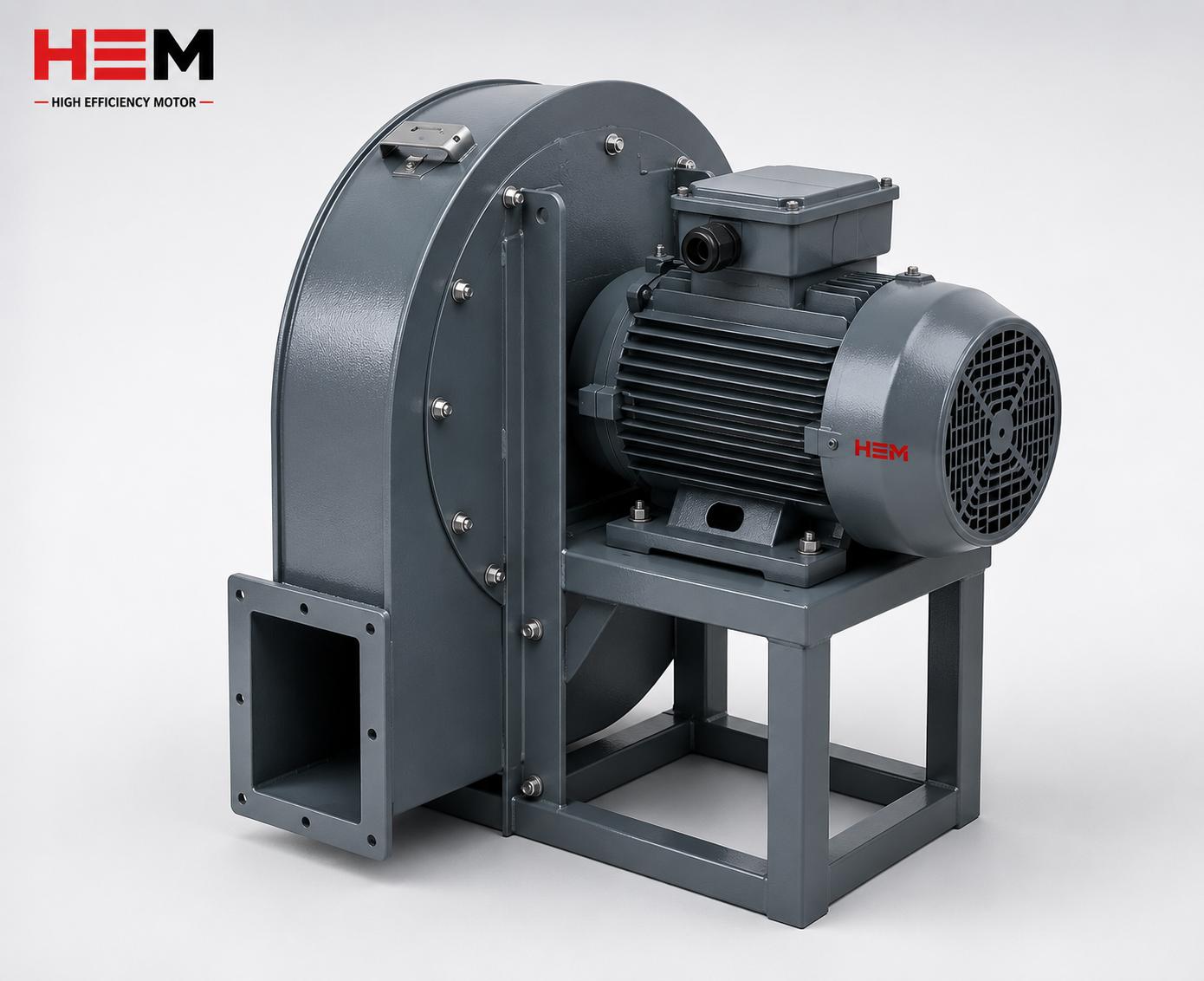
Protection Class in a Wet Environment: TEFC, IP55 and Beyond
The cooling tower fan is one of the harshest places a motor works. Continuous water droplets, high humidity and outdoor conditions can lead to moisture ingress, winding leakage and bearing corrosion in a standard motor. For this reason, high IP protection for a wet environment, moisture-resistant insulation and, where needed, a heater option that prevents condensation in an idle motor are recommended.
| Cooling Tower Condition | Recommended Motor Feature | Benefit Provided |
|---|---|---|
| Continuous water droplets and spray | High IP protection (IP55+), sealed seal | Winding stays dry, leakage and failures drop |
| Outdoor (sun, rain, snow) | Outdoor-suitable body, rain canopy option | Long life against weather conditions |
| Condensation in idle motor | Anti-condensation heater | Moisture risk drops on restart |
| Continuous uninterrupted cooling | Continuous duty (S1), high efficiency | Heating and energy cost are reduced |
To protect an outdoor vertically mounted fan motor from water and snow, our article on a rain canopy (protective roof) on a vertically mounted motor is directly applicable. To prevent moisture and condensation in an idle motor, the anti-condensation heater (space heater) guide completes the selection.
Low Speed, Reducer and Quiet Operation
Cooling towers usually use large-diameter axial fans, and these fans must rotate at low speed to operate efficiently and quietly. For this reason the motor is often connected to the fan not directly but through a reducer or belt-and-sheave. A low-speed, balanced drive both reduces noise and extends the life of the fan blades. Quiet operation is a decisive criterion in projects where the tower is near residential areas.
- Geared drive: Reduces the high-speed motor to a low fan speed and provides torque.
- VFD (frequency drive) compatibility: Adjusts fan speed to load and temperature, saving energy.
- Balanced rotor and low vibration: Reduces noise and mechanical wear.
For a low fan speed you can build a drive together with worm gear reducers, and for more compact solutions you can consider helical bevel gear reducers. We went deeper into the outdoor and IP protection details of cooling tower and chiller fans in our article on cooling tower and chiller fan motors: outdoor and IP protection.
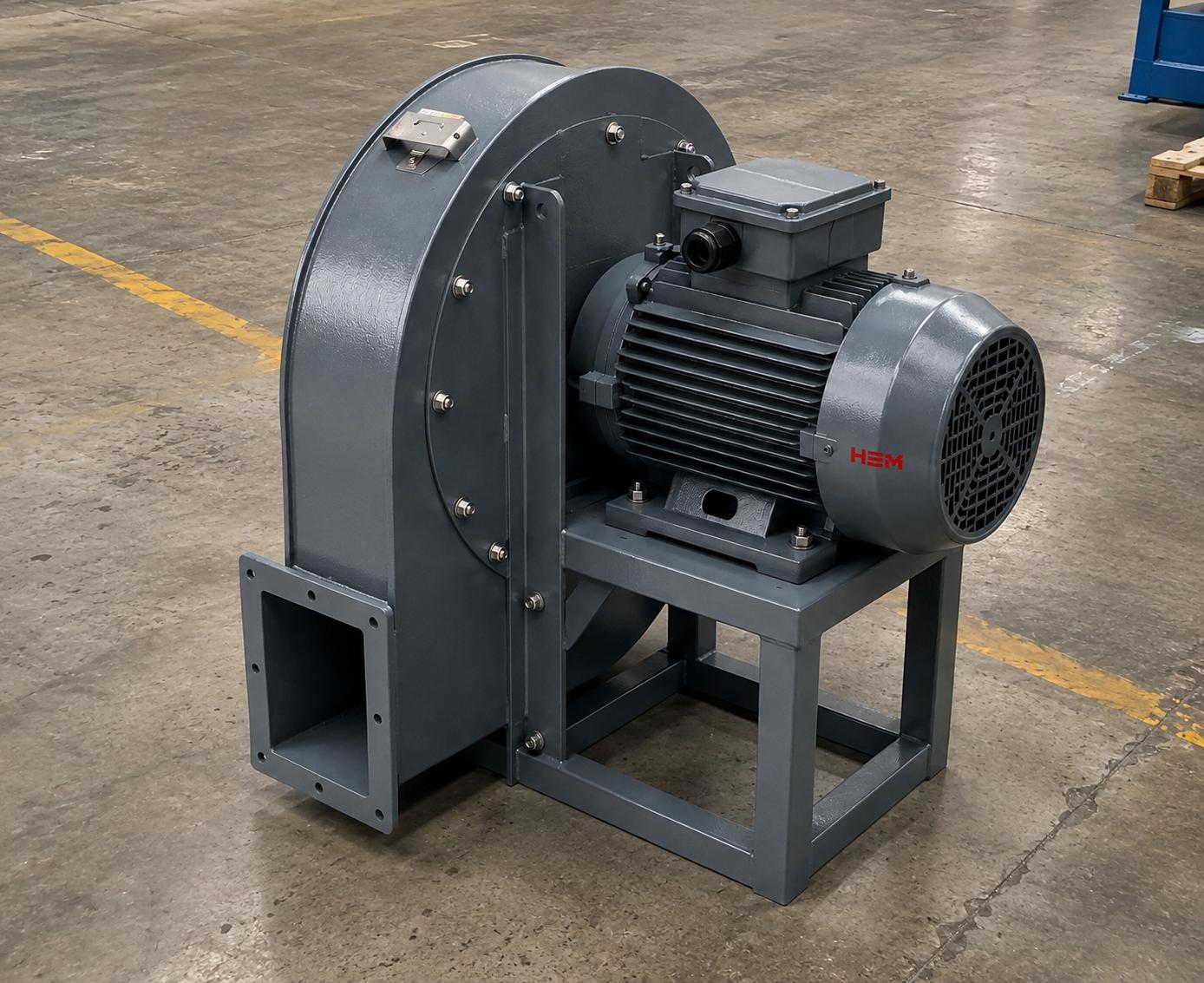
Efficiency and Flexibility in VFD-Driven Operation
The cooling load changes through the day and with the season; so running the fan at full speed all the time consumes unnecessary energy. Adjusting fan speed to the load with a frequency drive (VFD) both lowers the energy cost and extends the life of the motor and the fan. In driven operation, the motor's insulation, cooling and bearing-current management must be set up correctly.
We addressed the motor's grounding and bearing-current management in driven operation in our article on motor grounding and EMC: correct connection in a VFD system. For the cooling need at continuous torque at low speed, our external forced cooling fan in an IE4 motor content offers principles applicable to geared tower drives as well.
Low Cost in Uninterrupted Cooling with an Efficient Motor
The cooling tower fan is one of the longest-running pieces of equipment in a facility, which means the efficiency class directly reflects on the energy cost. IE3 and IE4 efficient motors provide the same airflow with fewer losses, creating a noticeable difference over the year. In a continuously rotating fan, high efficiency lets the investment pay for itself quickly.
You can review the efficiency threshold in pumps and fans in our IE4 threshold in pump, fan and compressor article. For the efficient range, our IE4 high-efficiency electric motors page is the starting point.
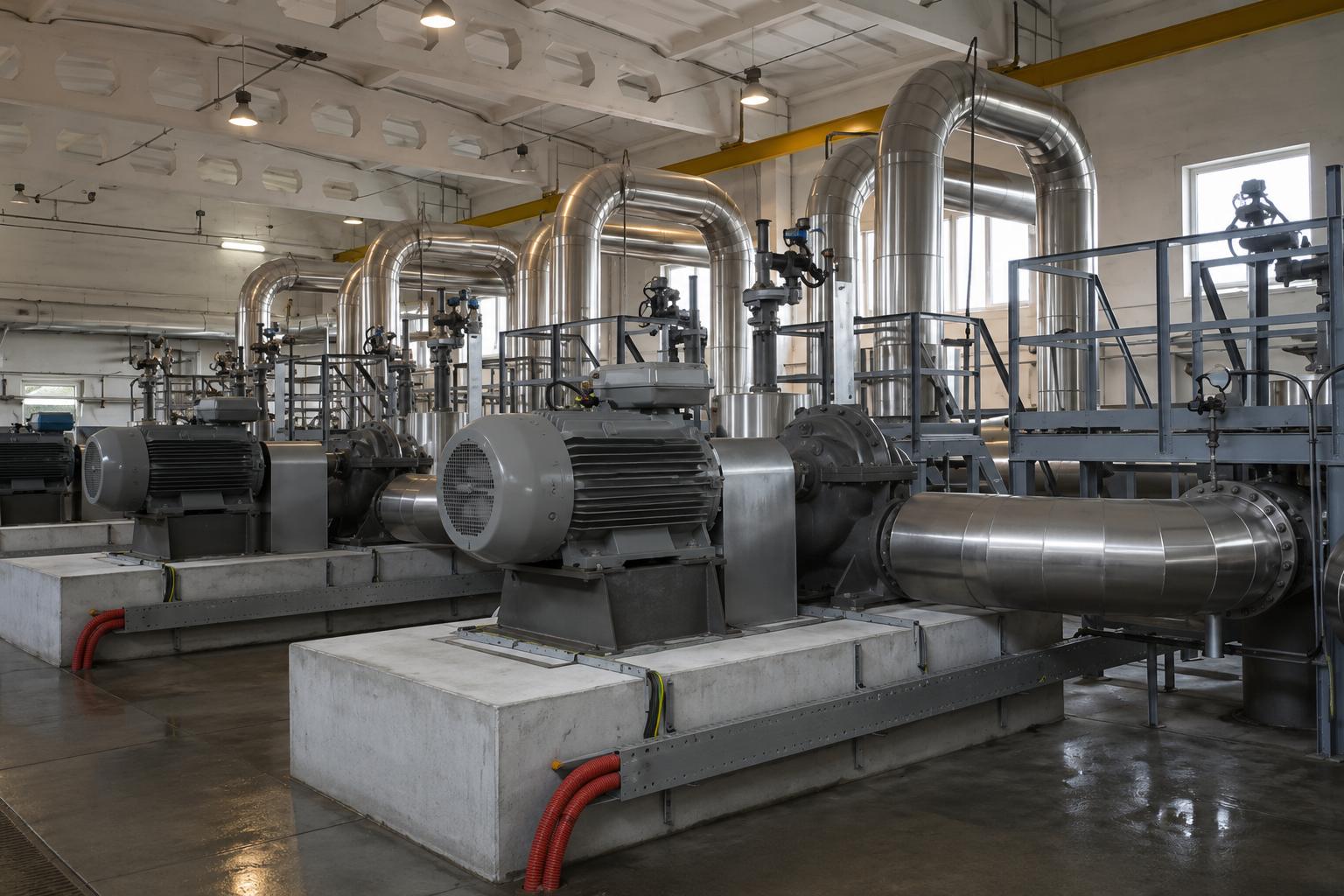
Supply from Stock: Avoiding Downtime on the Cooling Line
When the cooling tower fan stops, it means the whole process heats up and production is at risk. That is why, for buyers, the most critical criterion is often fast delivery and stock availability rather than price. As HEM Motor, we keep the most-sought fan motor powers in stock, minimizing waiting time in case of failure or new installation. When you share your need, we respond with a clear price-to-performance proposal and a quick quote.
| Buyer Priority | HEM Motor Approach |
|---|---|
| Urgent fan motor replacement | Fast delivery from stock in the most-sought powers |
| New tower installation | Bulk supply with a fan and pump list |
| Budget planning | Clear price-to-performance and a transparent quote |
| Confidence in correct selection | Manufacturer supply and technical guidance |
We addressed power and supply selection by fan type in our article on centrifugal and axial fan motor selection. Our IE4 premium motor supply, stock and lead time content clarifies the stock and delivery logic.
Frequently Asked Questions
What determines the price of a cooling tower fan electric motor?
The main factors are power, speed, protection class, efficiency class (IE3/IE4) and outdoor durability. High protection suited to a wet environment and an efficient range provide an advantage in total cost because they reduce operating costs. To get a clear price-to-performance proposal, simply share the fan and power information; we will respond with a quick quote.
Is a standard fan motor used in a cooling tower?
Because of continuous water droplets, humidity and outdoor conditions, standard protection is often inadequate. High IP protection, an outdoor-suitable body and moisture-resistant winding noticeably extend the motor's life.
Why is a fan motor used with a reducer?
Large-diameter axial fans must rotate at low speed to operate efficiently and quietly. The high-speed motor is reduced to the appropriate fan speed with a reducer or belt-and-sheave; this both provides torque and reduces noise.
Does running with a VFD provide an advantage?
Yes. Because the cooling load changes, running the fan at full speed all the time wastes energy. Adjusting fan speed to the load with a VFD saves energy; for this, it is important to select the motor as drive-compatible.
Can I quickly replace my failed fan motor?
Because we keep stock in the most-sought fan powers, we provide fast delivery for many needs. If you share the nameplate details of the existing motor, we quickly identify and guide you to a like-for-like replacement.
Keep Cooling Uninterrupted with the Right Motor
In a cooling tower, the stopping of the fan motor means the whole facility heats up and production is at risk. With a motor in protection suited to a wet environment, running quietly at low speed and with high efficiency, you both lower your energy cost and minimize failure-related stoppages. As HEM Motor, we offer supply from stock, clear price-to-performance and fast delivery for cooling tower and chiller applications. Share your fan and power needs, and let us respond with a quick quote through our electric motor prices page.