 English
 Türkçe

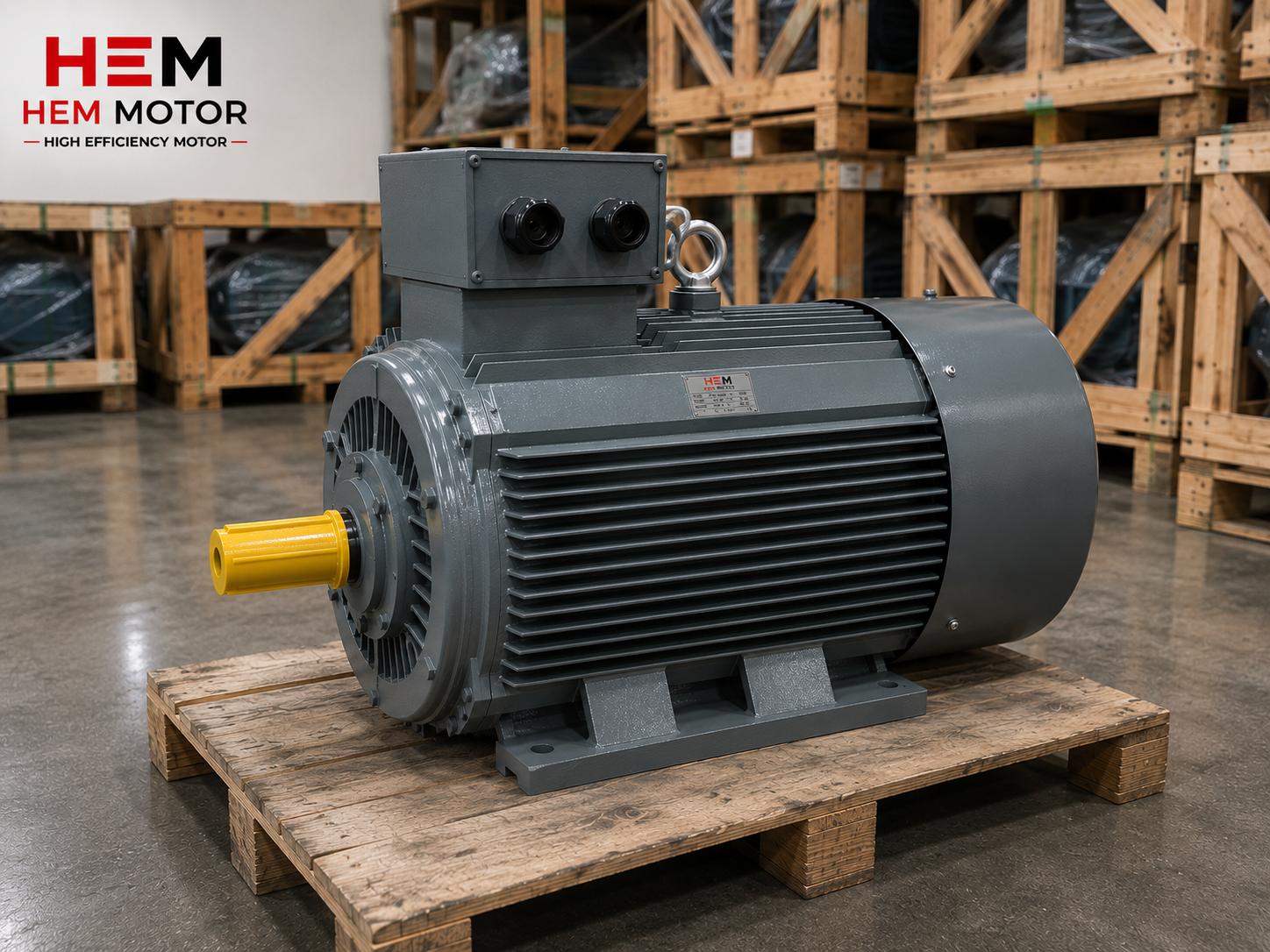
The first curiosity of a buyer who wants to purchase a three-phase electric motor is usually price; but the right question to ask is this: which technical features determine this 3-phase motor price, and how do I get the highest value with the same budget? At HEM Motor, we supply our three-phase motor range running on a 380-400V grid with its robust squirrel-cage structure, IE efficiency classes and wide power-speed options, from stock or with short lead times. On this page we cover the factors that set the price, the difference from single-phase, and correct buying in a sales-focused tone, and we let you start the process by getting a fast quote whenever you wish.
The three-phase motor is the main motor type that carries the power of industry. Thanks to its balanced three-phase supply, it runs more efficiently, with lower vibration and longer life than its single-phase equivalent of the same power. That is why most of the drive power in factories, workshops and plants is met by three-phase motors. To explore our range, see the 3-phase electric motors and IE3 efficient electric motors categories, and request a quote for current electric motor prices from the HEM Motor homepage.
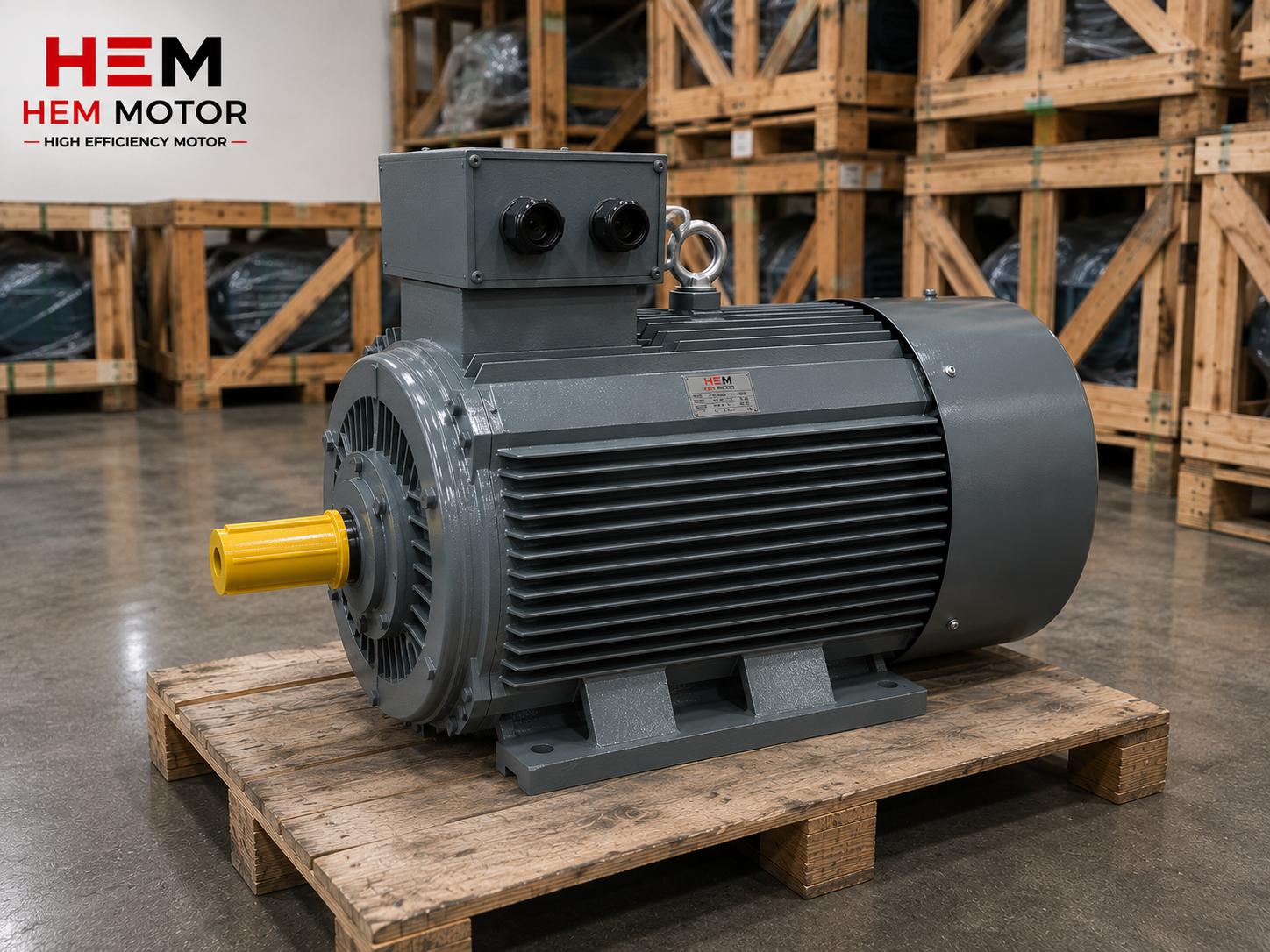
What Are the Factors That Determine a Three-Phase Motor Price?
The price of a three-phase motor is not a single line item; it is the sum of several technical features. Understanding the price lets you set your budget correctly and avoid paying for unnecessary features. Below we list the headings that affect price the most.
Power, Speed and Frame Size
The motor's power in kW and its speed depending on the pole count are the most basic determinants of price. Higher power means a larger frame, more copper and more material. At the same power, a low-speed (high-pole) motor usually carries a higher value because it requires a larger frame. So choosing more power than you need or an unnecessarily low speed inflates the budget. For correct power-speed selection, our power and speed options content helps.
Efficiency Class: IE3 and IE4
As the efficiency class rises, the quality of copper and lamination steel inside the motor increases and losses decrease. Although IE4 motors carry a higher value than IE3 at the outset, they offset this difference over time with energy saving over long running hours. So the price should be evaluated not only at the moment of purchase, but over total cost of ownership. To compare classes, see our IE3 electric motors blog category.
Body Material and Mounting Type
A cast iron body is heavier and more durable than an aluminium body, and this reflects on the price. Options such as mounting type (B3 foot, B5/B14 flange) and terminal box orientation also affect the final value. Standard configurations are usually more affordable and quickly supplied, while special options can increase lead time and value.
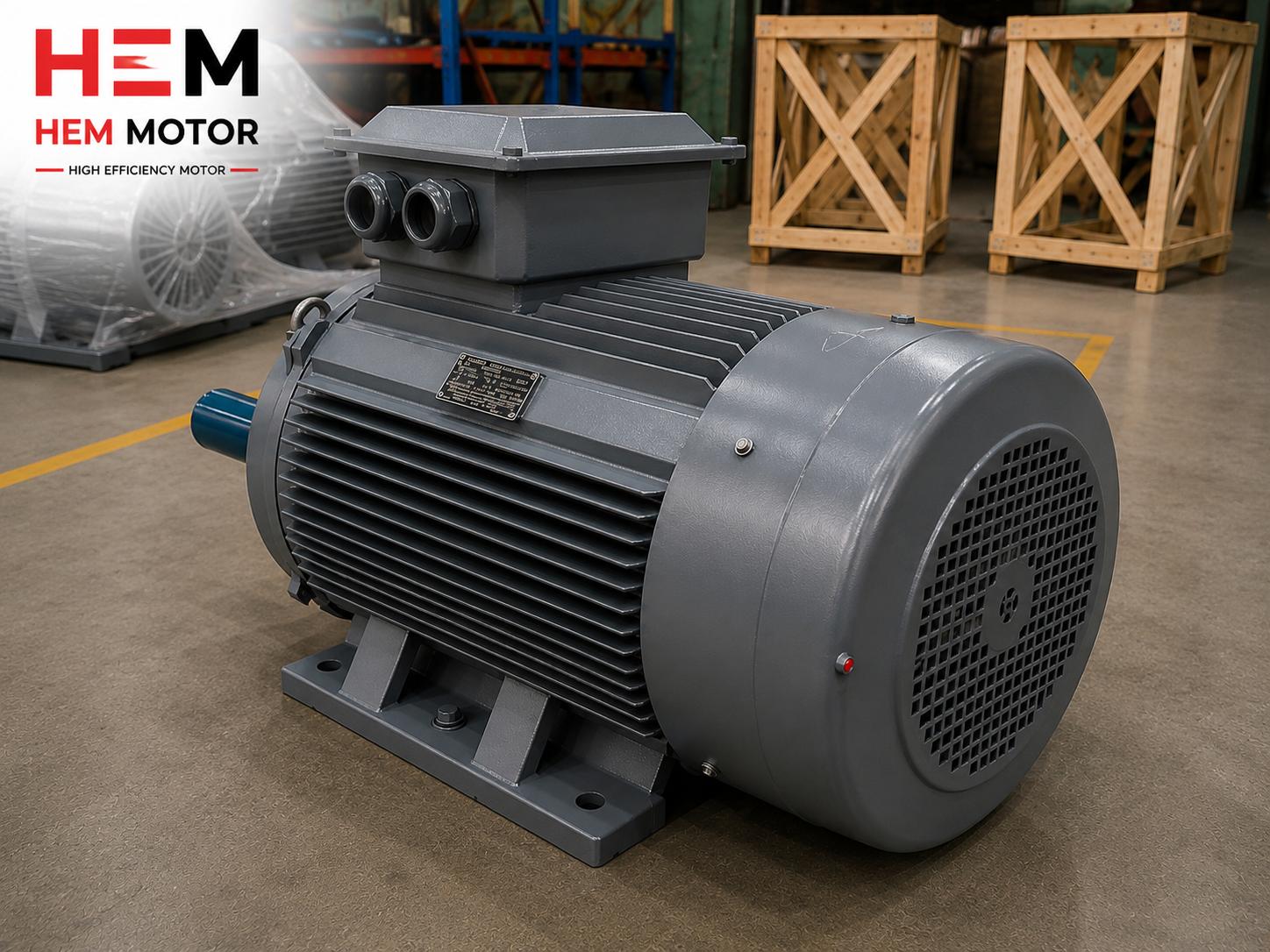
The Difference Between Three-Phase and Single-Phase Motors
To choose the right motor, it is important to understand the three-phase and single-phase distinction. They have different supply structures and serve different applications. The table below compares the two types qualitatively.
| Feature | Three-Phase | Single-Phase |
|---|---|---|
| Supply | 380-400V, three phase | 220-230V, single phase |
| Efficiency | Higher | Lower |
| Typical power range | Wide, suits high powers | Limited to low powers |
| Vibration | Lower, balanced | Higher |
| Place of use | Industry, plant, workshop | Home, small business |
If three phases are available on your grid, a three-phase motor of the same power is almost always a more efficient and longer-lasting choice. You can find more about three-phase supply and the squirrel-cage asynchronous structure in our asynchronous / AC motors category.
Advantages of the Squirrel-Cage Three-Phase Motor
The vast majority of three-phase motors are of the squirrel-cage asynchronous type. We can list the concrete advantages this structure offers the buyer as follows:
- Simple maintenance: With no brushes or commutator, maintenance load is low.
- High durability: A robust rotor structure provides long life.
- Wide range: Offers options from small powers to large industrial loads.
- Drive compatibility: Allows flexible operation with speed control devices.
- High efficiency: Provides low operating cost in IE3/IE4 classes.
Running a Three-Phase Motor With a Drive: From a Price-Performance View
Many modern plants use a three-phase motor together with a speed control device (VFD/drive). This combination provides both process flexibility and energy saving by adjusting speed to need. In a drive-fed motor, it is important that the winding insulation is suitable and, if continuous torque is needed at low speed, that a forced cooling option is considered. With the right setup, the slightly higher initial motor value is balanced by the drop in operating cost. So giving the purchasing decision not only on the label price but on total benefit is the most correct approach.
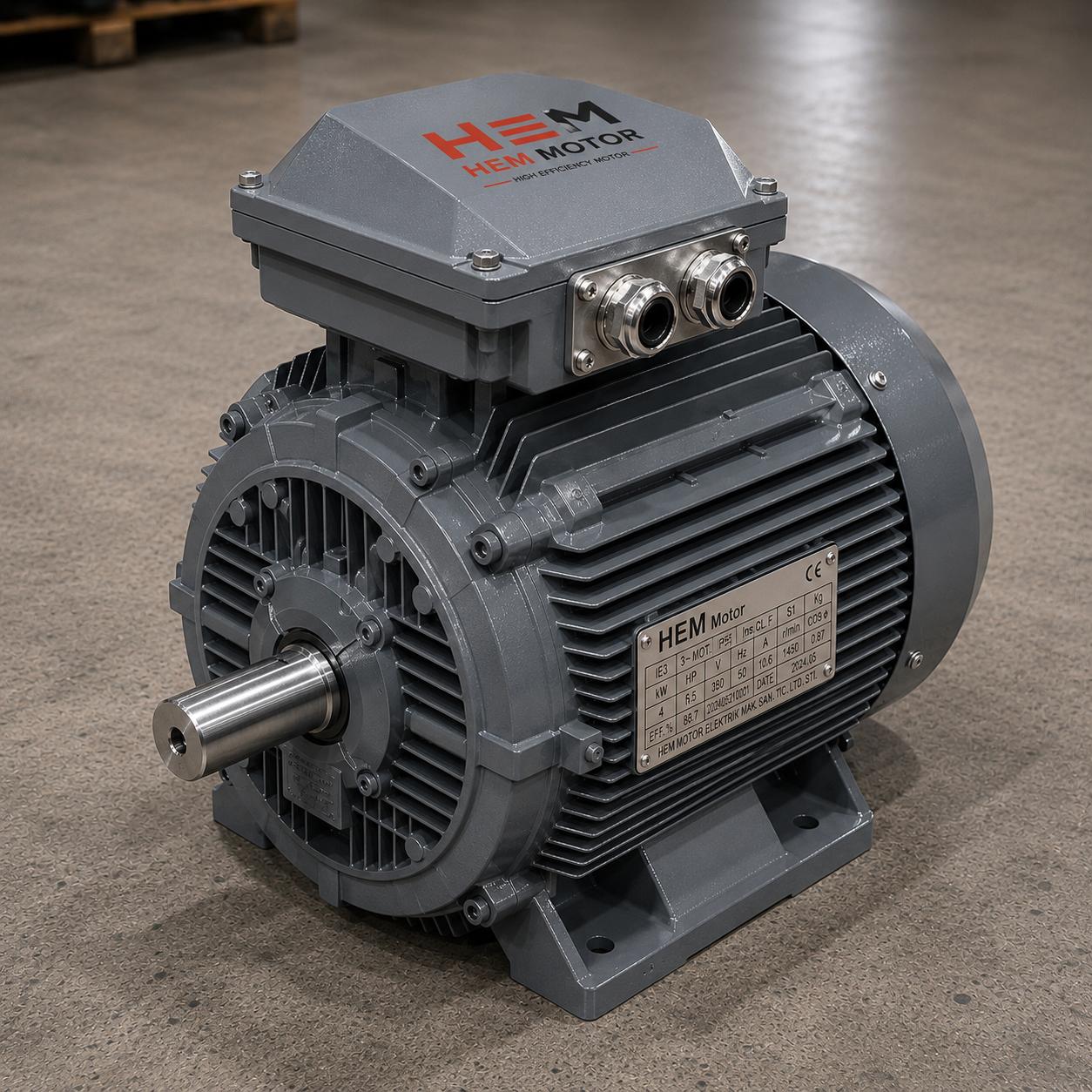
Getting Power and Speed Selection Right in a Three-Phase Motor
The most common mistake in buying a three-phase motor is choosing more power than needed. An oversized motor both carries a higher value and cannot fully use its efficiency at low load. The correct approach is to choose the power matching your machine's real load demand and the speed the application requires. For high-speed loads such as pumps and fans, 2-pole (around 3000 rpm) motors stand out; for conveyors, mixers and general industrial drives, 4-pole (around 1500 rpm); and for low-speed applications demanding high torque, 6 or 8-pole motors.
Speed selection also affects torque directly: at the same power, a low-speed motor produces higher torque. So determining your load's starting and running torque needs lets you find both the right motor and the right price-performance balance. If your need is not clear, sharing your machine's load profile is enough; we recommend the most suitable power-speed combination. To better understand the working logic of the asynchronous motor, the content in our asynchronous / AC motors category will guide you.
Grid Voltage and Connection Flexibility in a Three-Phase Motor
Three-phase motors usually run on a 380-400V grid, but thanks to voltage tolerance and terminal connection (star/delta) they adapt to different grid conditions. Dual-voltage (for example 230/400V) motors can be used at two different voltages by changing the terminal bridging; this flexibility is an advantage especially for buyers who want to use the same motor in different plants. Clarifying the right connection before ordering prevents wasted time during commissioning and assures the motor runs at the expected efficiency. For connection and mounting options, see our B3 foot-mounted electric motors page.
The Advantage of Buying a Three-Phase Motor From Stock
The safest way to keep your production plan on track is to obtain the motor you need quickly from stock. With its identity as both manufacturer and seller, HEM Motor keeps the most sought-after power and speed combinations in stock; for models needing special options, it offers a solution with a short lead time. So in case of a fault or capacity increase, you get back on the line without waiting. Single-source supply both reduces your logistics load and lets you receive technical support from one point. You can review our brand's approach in our sales and dealers category.
Frequently Asked Questions
What affects the three-phase motor price the most?
The main factors that set the price are power (kW), speed (pole count), efficiency class (IE3/IE4), body material and mounting type. Choosing more power than you need or an unnecessary option inflates the budget. If you share your need, we provide a fast quote for the most suitable configuration.
At the same power, should I buy three-phase or single-phase?
If three phases are available on your grid, a three-phase motor of the same power is more efficient, lower in vibration and longer-lasting. Single-phase is preferred only in low-power applications where single-phase supply is mandatory. If you state your supply situation, we clarify the right type together.
An IE4 three-phase motor has a higher initial value, is it still sensible?
If the motor runs long hours, IE4's low losses noticeably reduce your operating cost and offset the initial difference over time. If you share your running hours, we recommend the class with the best price-performance.
How does using a three-phase motor with a drive affect the price?
Although a drive requires an additional investment, it lowers energy consumption and provides process flexibility by adjusting speed to need. In long-running applications, this setup reduces total cost. If you share your application, we provide the right recommendation for motor and drive compatibility.
How soon can I receive delivery from stock?
The most sought-after power and speed combinations are usually supplied quickly from stock; for models with special options, we offer a solution with a short lead time. For a precise delivery time, you can request a quote from our electric motor prices page.
For your three-phase motor need, contact us to source the right power, speed and efficiency class at the best price-performance balance. HEM Motor is at your side with a wide stock range and the advantage of supply from the manufacturer; get a fast quote now and plan your purchase today.