 English
 Türkçe

An oil and margarine plant is a sensitive production line where crude oil is refined after passing through pressing and extraction, where centrifuges and separators rotate continuously, and where food hygiene must be preserved at every point. At every stage of this line, it demands a reliable oil and margarine plant electric motor: press and extraction drive, transfer and dosing pumps, centrifuge separators and agitators. In a food environment, choosing a motor suited to stainless and washdown, that does not overheat in continuous duty and can be supplied quickly is the foundation for production flowing both hygienically and without interruption. As HEM Motor, we offer supply from stock, clear price-to-performance and fast delivery for food and oil plants; once you share your needs, we respond with a quick quote. To find the right motor with the advantage of manufacturer supply, you can start from our electric motor prices page.
Below we explain, in plain language, why each motor feature is critical for every main unit of the oil and margarine plant, the importance of protection class in terms of food hygiene and washability, and the assurance that supply from stock provides in continuous production.
Driven Units on the Oil Plant Line and the Right Selection
The flow of an oil and margarine plant begins with the raw material being converted into oil by pressing and extraction; then transfer pumps, centrifuge separators and agitators come into play. Each unit on this line carries a different load and hygiene condition; for this reason, instead of a single motor type, pump electric motors, centrifuge drive motors and agitator motors should be matched correctly to the need of each point.
- Pressing / extraction drive: Continuous heavy load; high torque and durable bearings are priorities.
- Transfer and dosing pumps: Oil and fluid transfer; continuous, low-vibration operation is sought.
- Centrifuge / separator: Demands high speed and a balanced rotor; balance determines bearing life.
- Agitator: Variable load in margarine and emulsion preparation; solid bearings are required.
- Circulation and transfer line: Fluid transfer between vessels; continuity and hygiene come to the fore.
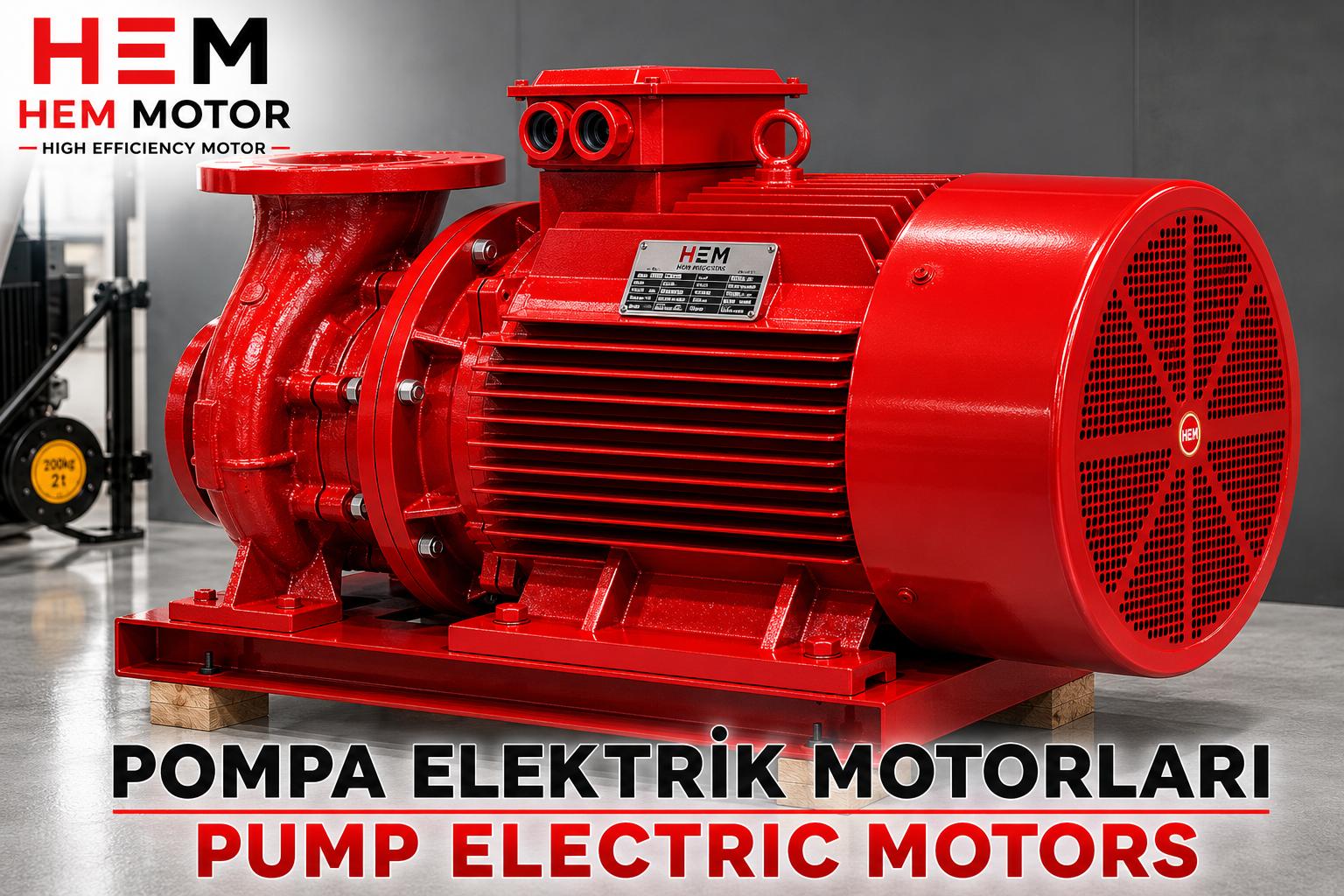
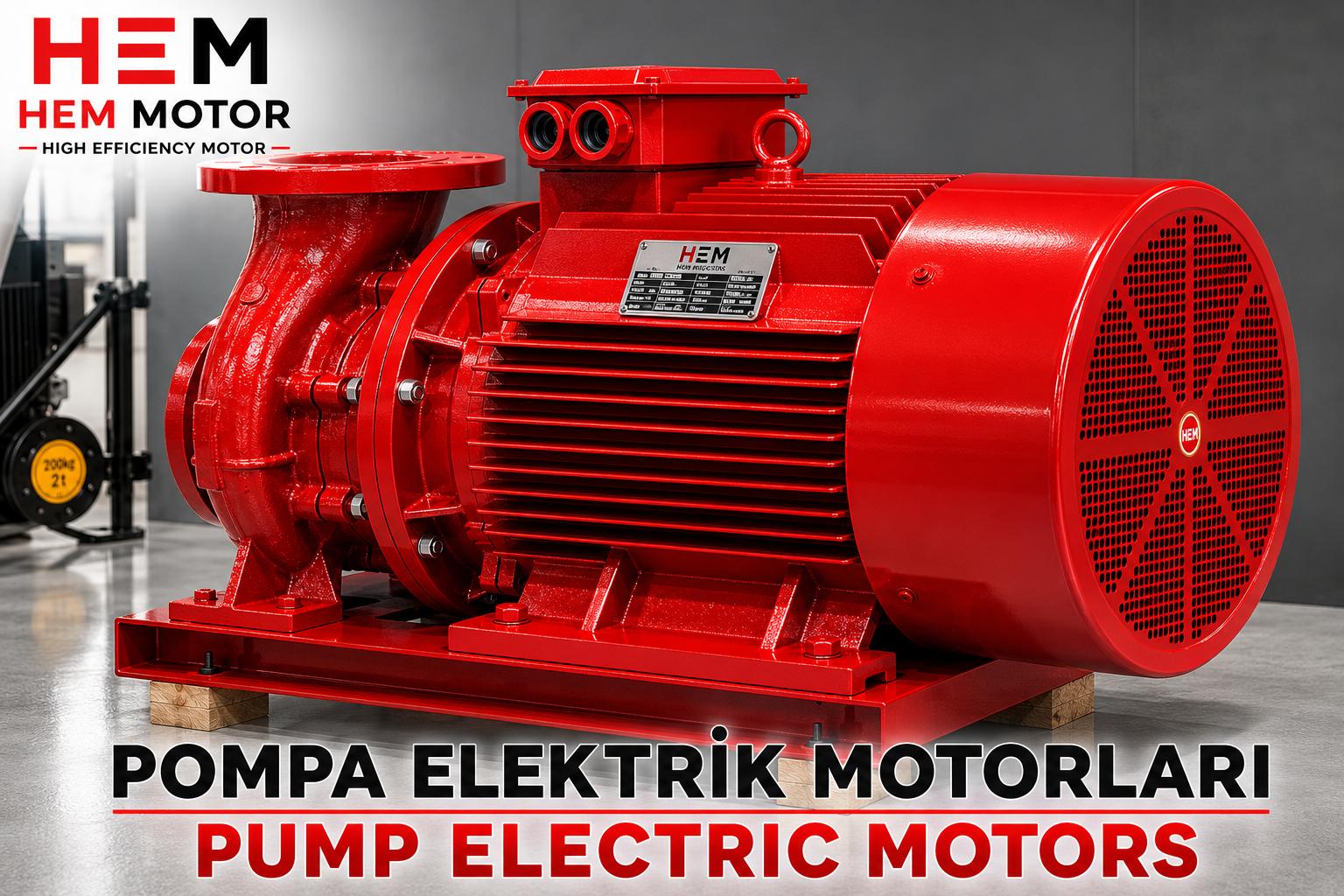
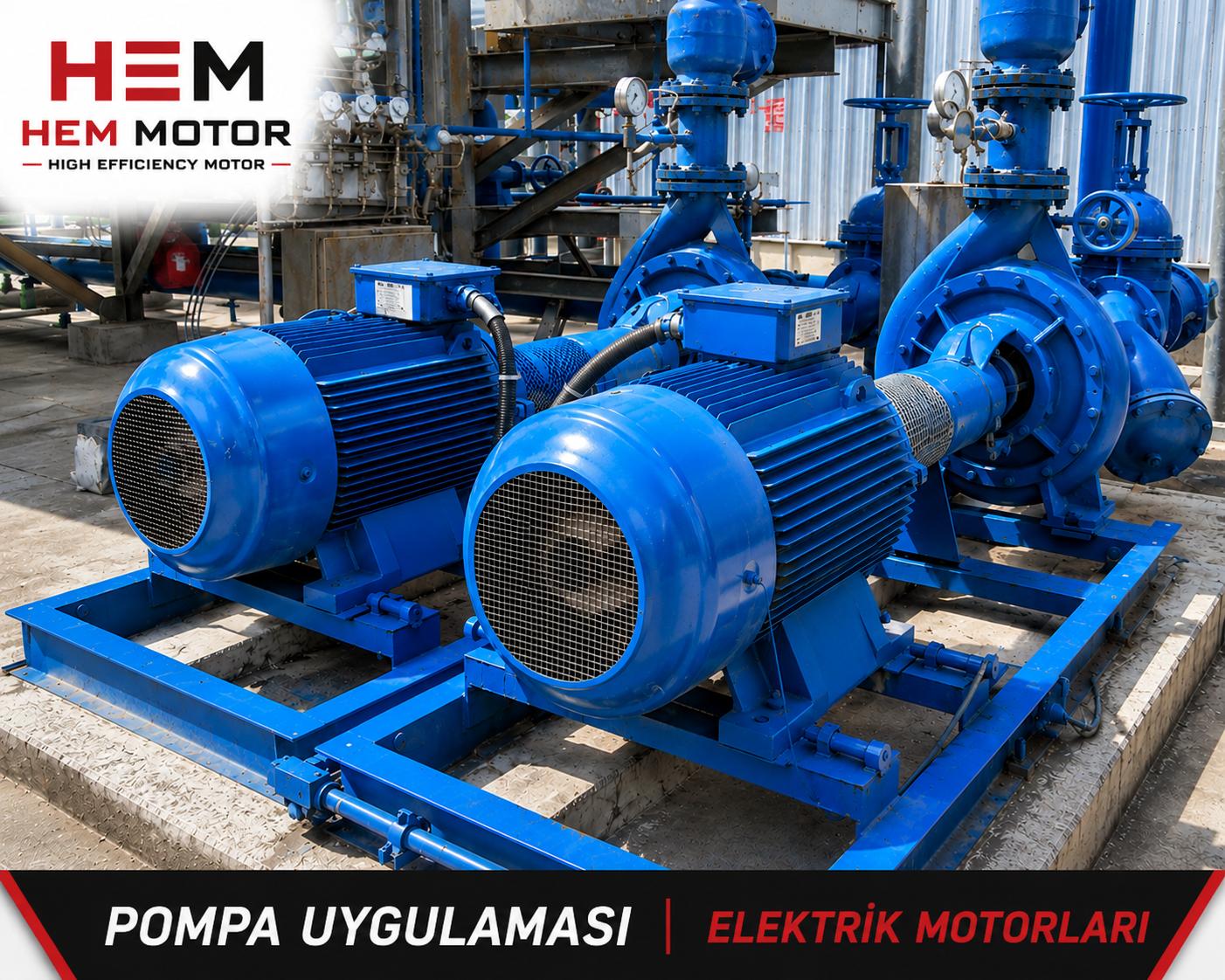
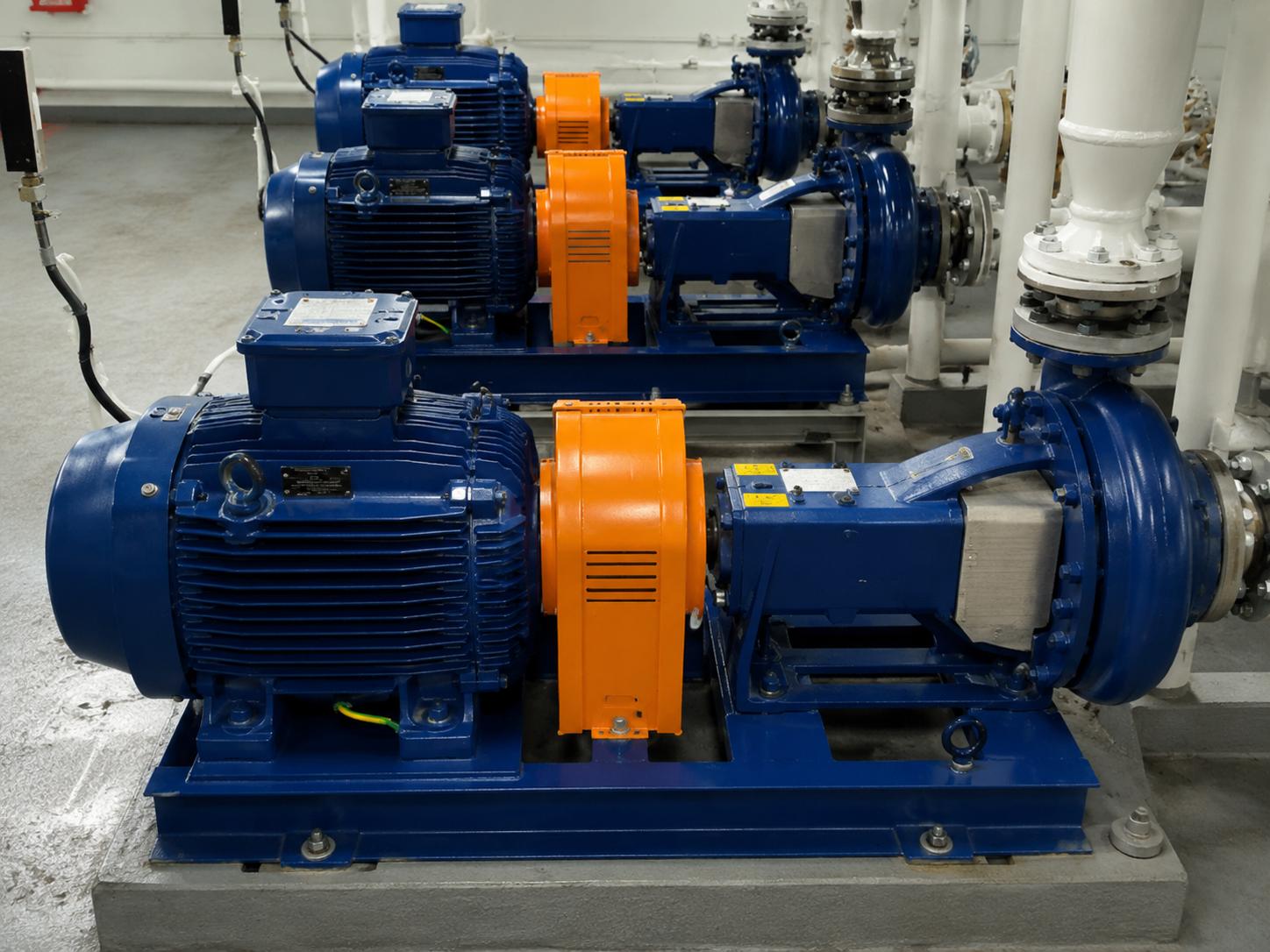
For oil plant pumps, our pump electric motors range is built for continuous operation in a food environment. On pressurized transfer and delivery lines, our booster pump electric motors options also provide a reliable foundation.
Food Hygiene, Stainless and Washability
An oil and margarine plant is a food production area, which means hygiene is as important as the technical side in motor selection. Regular washing, cleaning chemicals and humidity can lead to corrosion and moisture ingress in a standard motor. For this reason, on a food line, high IP protection, a washdown-resistant surface and, where needed, a stainless or hygienically designed motor are recommended. As food hygiene and washability increase, both product safety and motor life are preserved.
| Oil Plant Condition | Recommended Motor Feature | Benefit Provided |
|---|---|---|
| Regular washing and cleaning | High IP protection, washdown surface | Water ingress is prevented, hygiene preserved |
| Moisture and oil contact | Corrosion-resistant body, sealed seal | Body life extends, rusting is delayed |
| Food safety | Hygienic / stainless design option | Contamination risk drops, audit compliance |
| Continuous production | Continuous duty (S1), high efficiency | Heating and energy cost are reduced |
We addressed the details of washdown and stainless motor design on a food line in our article on food-grade hygienic, stainless design in pump and fan motors. The food factory electric motors: hygiene and IP protection content completes the general hygiene and IP protection approach in a food factory.
Vibration, Balance and Bearing Life in Centrifuge and Separator
Centrifuge separators rotate at very high speed to separate oil from water and solid sediment; an unbalanced rotor affects both the separation quality and the machine adversely. At this point, the motor's balance, vibration level and bearing selection directly determine its life. A low-vibration, well-balanced motor reduces noise, lowers the frequency of bearing replacement and preserves separation efficiency.
- Low vibration: Preserves separation quality, does not fatigue the machine.
- Correct bearing selection: Extends life at high speed.
- Balanced rotor: Reduces noise and energy loss.
We addressed the relationship between vibration, balance and quality in our article on vibration and balance acceptance values in electric motors. For shaft sealing in an oily and humid environment, our shaft oil seal and V-ring seal types guide helps.
Low Energy Cost in Continuous Production with an Efficient Motor
Oil and margarine plants usually run on shifts and continuously; pumps, centrifuges and agitators rotate for most of the day. This means the efficiency class of the motors directly reflects on your energy bill. IE3 and IE4 efficient motors do the same work with fewer losses, creating a noticeable difference over the year. Especially in continuously rotating pumps and centrifuges, high efficiency lets the investment pay for itself quickly.
You can review the efficiency threshold in pumps and fans in our IE4 threshold in pump, fan and compressor article. For the efficient range, our IE4 high-efficiency electric motors page is the starting point.
Drive on the Agitator and Press Line
Margarine and emulsion preparation agitators and press-extraction drive points are the high-torque equipment of the oil plant. The agitator demands solid bearings while operating under variable load; the press drive must produce high torque under continuous heavy load. A solution built with the correct speed and, when needed, a reducer provides an advantage in both energy and maintenance.
At points requiring controlled motion, you can build a drive together with worm gear reducers. For an application close to oil press and decanter drives, our article on olive oil and oil press plant electric motors supply goes deeper on the decanter, malaxer and press pump. For continuous lubrication in a hygienic environment, our automatic grease lubricator selection content simplifies maintenance.
Sales from Stock: Avoiding Downtime While Production Flows
When a motor fails in an oil and margarine plant, it means production, together with the semi-finished product on the line, is at risk. That is why, for buyers, the most critical criterion is often fast delivery and stock availability rather than price. As HEM Motor, we keep the most-sought pump and drive motor powers in stock, minimizing waiting time in case of failure or new installation. When you share your need, we respond with a clear price-to-performance proposal and a quick quote.
| Buyer Priority | HEM Motor Approach |
|---|---|
| Urgent replacement mid-production | Fast delivery from stock in the most-sought powers |
| New line installation | Bulk supply with a per-unit motor list |
| Budget planning | Clear price-to-performance and a transparent quote |
| Confidence in correct selection | Manufacturer supply and technical guidance |
To quickly select a motor suited to an existing pump, our centrifugal pump motor selection: flow, head and power matching method applies directly to oil plant transfer pumps as well.
Frequently Asked Questions
What determines the price of an oil and margarine plant electric motor?
The main factors are power, speed, protection class, efficiency class (IE3/IE4) and body material. High protection suited to a food environment and an efficient range provide an advantage in total cost because they reduce operating costs. To get a clear price-to-performance proposal, simply share the unit and power information; we will respond with a quick quote.
Is a standard motor sufficient on a food line?
In a food environment with regular washing, cleaning chemicals and humidity, standard protection is often inadequate. High IP protection, a washdown surface and, where needed, a stainless design preserve both product safety and motor life.
What should I watch for in a centrifuge separator motor?
Because the centrifuge rotates at very high speed, the motor's balance, vibration level and bearing selection are priorities. A low-vibration, well-balanced motor both preserves separation quality and extends bearing life.
Can I quickly replace my failed pump motor?
Because we keep stock in the most-sought pump and drive powers, we provide fast delivery for many needs. If you share the nameplate details of the existing motor, we quickly identify and guide you to a like-for-like replacement.
Is single-source supply possible for the entire plant?
Yes. From press and extraction drive to transfer pumps, from the centrifuge separator to the agitator, you can consolidate your entire unit list into a single supply plan and build a compatible range with the advantage of manufacturer supply.
Keep Production Hygienic and Uninterrupted with the Right Motor
In an oil and margarine plant, every stoppage means production, together with the semi-finished product on the line, is at risk. With a motor in protection suited to a food environment, at the correct speed and with high efficiency, you both lower your energy cost and minimize failure-related stoppages. As HEM Motor, we offer supply from stock, clear price-to-performance and fast delivery for food and oil plants. Share your unit and power needs, and let us respond with a quick quote through our electric motor prices page.