 English
 Türkçe

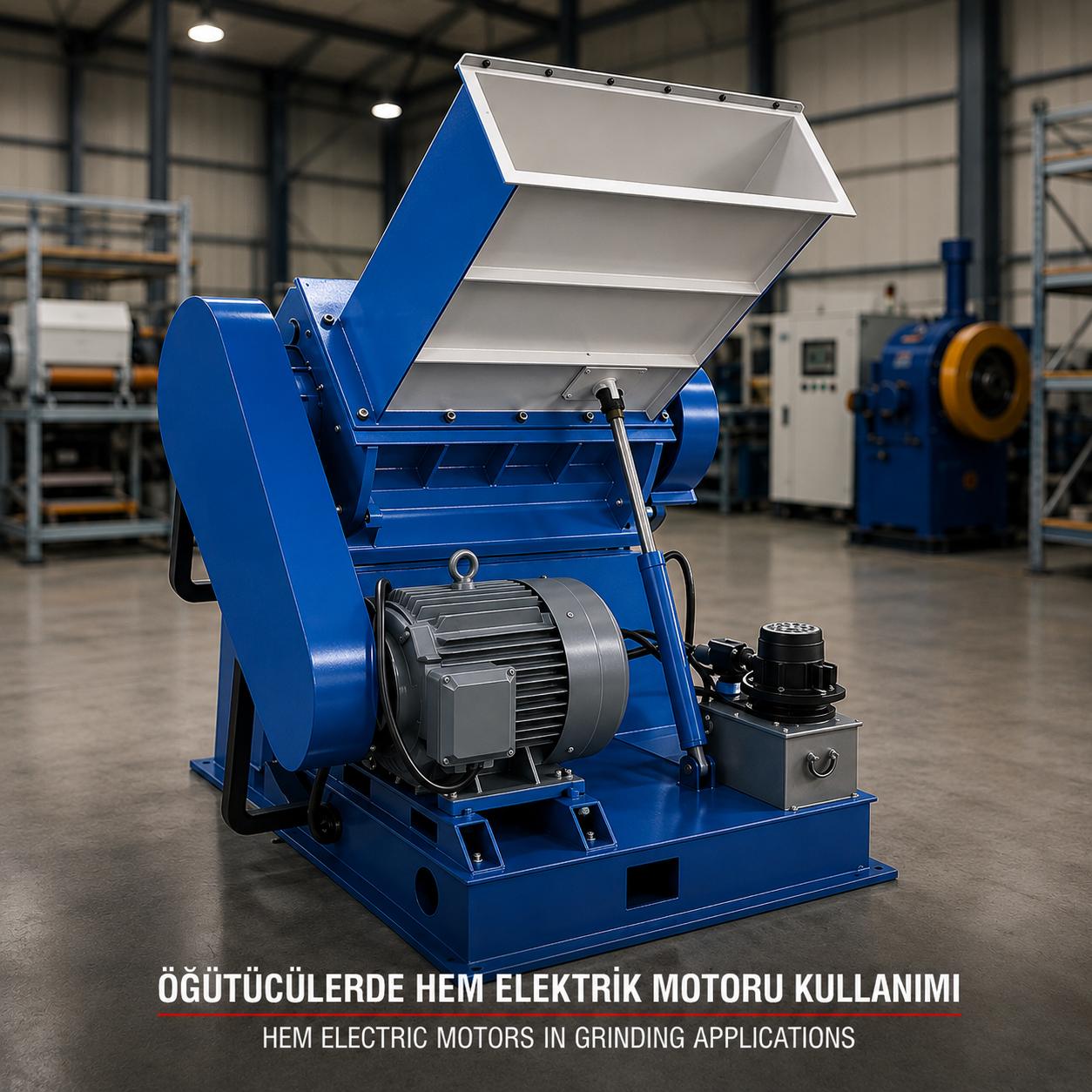
Lime and gypsum plants consist of a chain of heavy industrial process steps such as crushing, grinding, calcination and screening of raw materials like limestone and gypsum. At the heart of every drive system in this chain are electric motors. Even the smallest mistake in selecting a lime and gypsum plant electric motor can mean a stopped production line, a higher energy bill and escalating maintenance costs. As HEM Motor, drawing on the experience of producing heavy industrial drive solutions since 1979, we supply lime and gypsum producers with motors of the right power, the right efficiency and the right delivery time.
On this page you will find both the technical criteria that will help you choose the right motor on the engineering side, and our stock, delivery and project support advantages on the supply side. Our goal is not to present a memorized catalogue; it is to help you quickly commission the most suitable motor for your mills, crushers, fans, elevators and conveyors with a transparent approach to electric motor prices. Whether you are building a new lime kiln feed line or renewing the motor of an existing gypsum grinding mill, we are here to prepare an offer tailored to your needs.
The Role of the Electric Motor in Lime and Gypsum Plants
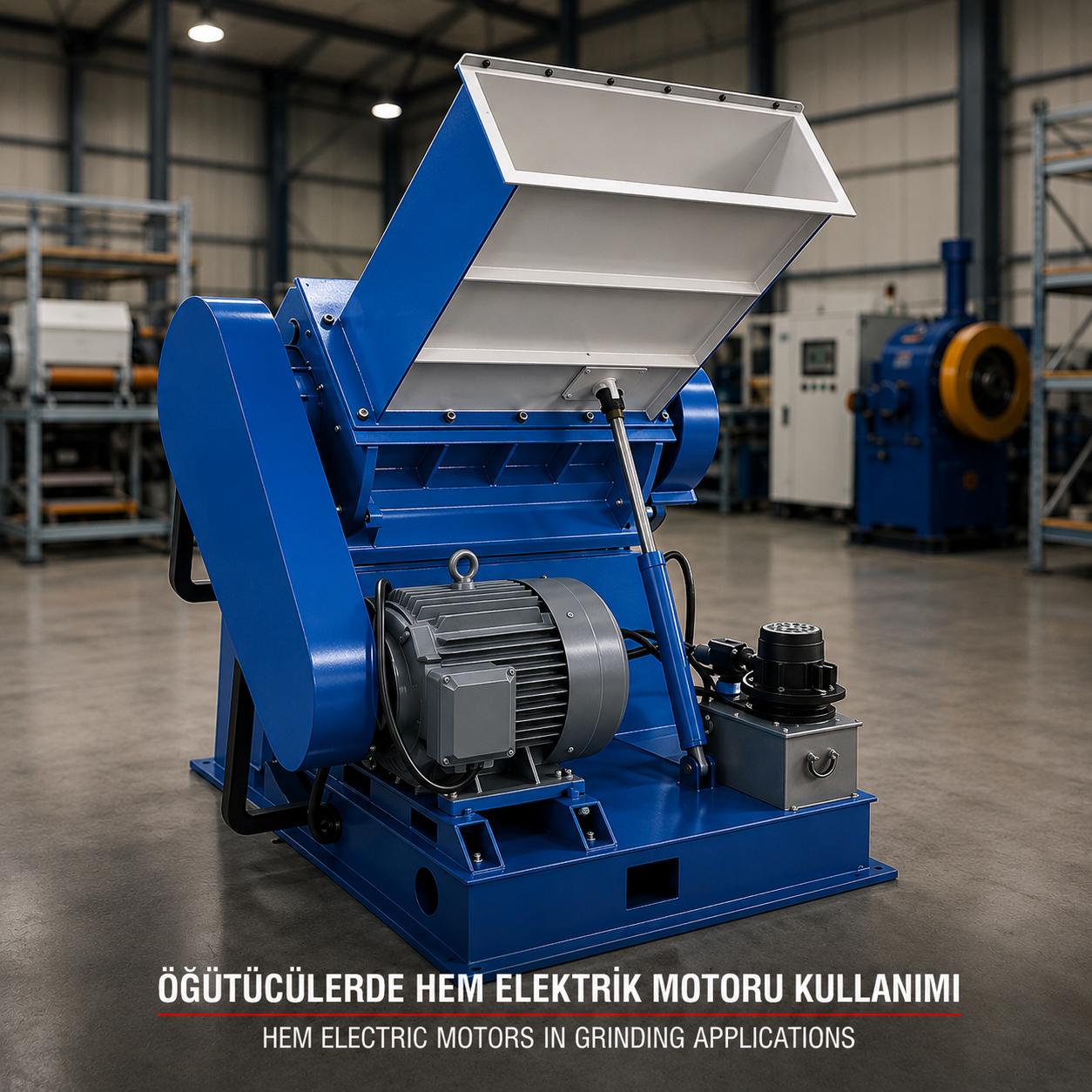
Lime and gypsum production is a demanding environment that operates under dusty, high-temperature and continuous load conditions. Crushing limestone in jaw or impact crushers, reducing it to micron size in ball or hammer mills, ventilating the kiln and calciner lines, and conveying the final product to packaging lines all depend on powerful and durable drive motors. In this process it is not enough for the motor merely to have sufficient power; it must also withstand dust, moisture, sudden load changes and long-term uninterrupted operation.
A lime and gypsum plant electric motor is often sized to run 24 hours a day, 7 days a week. An unplanned motor failure stops not only that motor but the entire production line connected to it. For this reason, the total cost of ownership matters far more than the instantaneous purchase price in motor selection. A high-efficiency motor may look slightly more expensive in the initial investment, but it pays for itself in a short time thanks to energy savings and a low failure rate. Our approach is built exactly on this balance: the right motor, at the right price and at the right time.
Typical Drive Points
- Crushers: Motors requiring high starting torque and resistance to impact loads in jaw, impact and cone crushers.
- Mills: Powerful motors that can rotate high inertia under continuous load in ball, hammer and vertical mills.
- Fans and exhausters: Efficient motors, mostly driven by frequency inverters, that provide airflow in kiln and filter lines.
- Elevators and conveyors: Geared motors compatible with reducers, used for transporting raw materials and finished products.
- Mixers and feeders: Motors providing steady torque in gypsum plaster and mortar preparation lines.
- Packaging lines: Motors suitable for precise speed control, driving bagging and palletizing machines.
Choosing the Right Motor: Technical Criteria
In lime and gypsum plants, motor selection must be carried out carefully according to the process requirements of the facility. The "most powerful motor" is not the right answer for every application; the right answer is the motor that meets the load most efficiently and reliably. The HEM Motor engineering team supports you in determining the most suitable frame, power and efficiency class by carrying out the needs analysis together with you. This way, you neither allocate extra budget to an oversized motor nor risk early failure with an undersized one.
Power and Torque
In high-inertia loads such as crushers and mills, starting torque is as critical as the nominal power of the motor. Insufficient starting torque causes the motor to be unable to rotate the load and to overheat. In such applications we recommend high-starting-torque designs and, when necessary, solutions supported by a soft starter or frequency inverter. Correctly defining the character of the load is the first step in choosing the right motor.
Efficiency Class
In continuously running heavy industrial motors, the efficiency class is the biggest determinant of operating cost. IE3 and IE4 class high-efficiency motors consume significantly less energy than standard motors. Even a small difference in efficiency class in a mill motor running 24 hours a day creates serious annual savings. This energy saving must definitely be taken into account when evaluating electric motor prices. You can learn about our high-efficiency product family on our High-Efficiency Electric Motors page.
Protection Class and Frame Material
The lime and gypsum environment is heavily dusty; therefore at least IP55, and IP65 at critical points, is recommended as the protection class. At points where dust accumulation is intense, cast iron frame motors provide an advantage in terms of both mechanical strength and heat dissipation. For heavy impact applications, Cast Iron Frame Electric Motors should be preferred. The frame material is a factor that directly affects motor life in dusty and humid environments.
Thermal Protection and Insulation
High ambient temperature and continuous load strain the motor windings. Protection solutions such as F or H class insulation, PTC thermistors and, when necessary, an anti-condensation heater significantly extend motor life. These details are determined according to your project during the offer stage. Correct thermal protection reduces unplanned stoppages, especially in fan motors operating close to the kiln.
Stock, Delivery and Supply Advantage
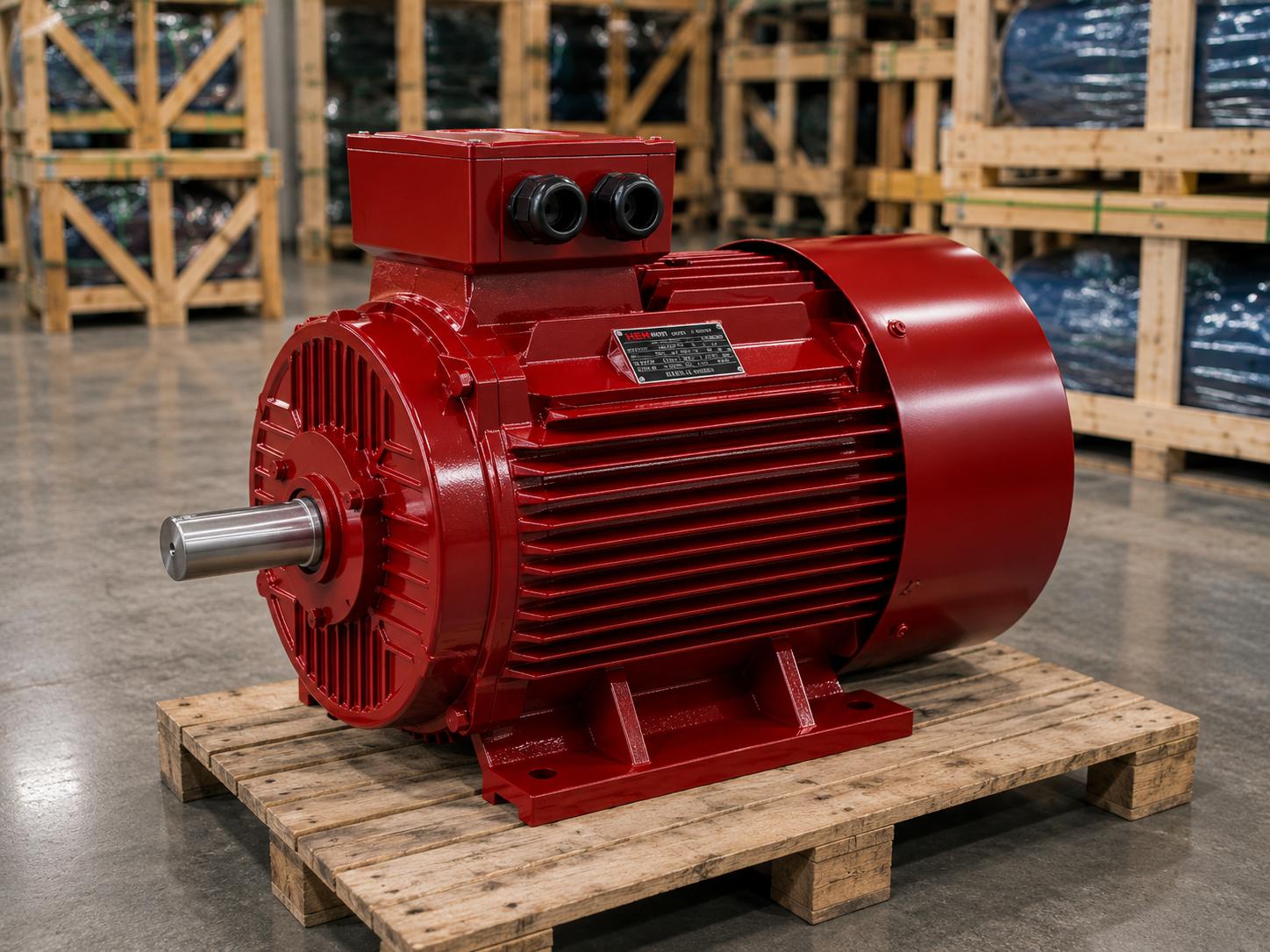
In heavy industrial facilities, the most expensive hour is the hour when the production line is stopped. Therefore, in motor supply, speed is as important as price. HEM Motor offers heavy industrial motors in common power ranges with fast delivery from stock, and shares a clear production and delivery schedule for special projects. When a mill or fan motor suddenly fails, knowing when the spare motor will be in your hands is priceless.
- Delivery from stock: Short delivery time for motors in standard power and speed ranges.
- Project-based production: Planned production for special flange, shaft end, frame and protection class requirements.
- Spare motor strategy: Preventing unplanned stoppages with recommended spare motor planning for critical lines.
- Transparent offer: The ability to plan your budget accurately with clear electric motor prices that contain no hidden items.
- Logistics support: Safe shipment across Turkey and on export routes.
For the current stock status and electric motor prices specific to your project, you simply need to contact us. From the moment we receive your request, our technical team gets involved and puts the most suitable solution in front of you as quickly as possible. Speed and transparency are the two main pillars of our supply approach.
Common Ground with Similar Heavy Industrial Applications
The motor needs of lime and gypsum plants are very similar to sectors such as stone crushing, mining and cement. The common point in all of them is the dusty environment, high inertia, impact load and the demand for uninterrupted operation. For this reason, our motor solutions proven in stone crushing plants can largely be adapted to lime and gypsum lines as well. Field experience gained in one sector produces direct value in another.
You can review our drive solutions specific to stone crushing and screening plants on our Stone Crushing & Screening Plant Motors page, and our experience with crusher lines in our IE4 Electric Motors content. For products specific to the mining sector, our Mining Sector Electric Motor page will also guide you.
Challenges Specific to Lime Plants
- Need for additional thermal resistance in kiln fan motors due to high calcination temperature.
- The effect of the abrasive dust of quicklime on motor bearings and seals.
- High starting torque against sudden load fluctuations in limestone feed lines.
- Suitable insulation and cooling solutions against the high temperature around the kiln.
Challenges Specific to Gypsum Plants
- Requirement for a high protection class due to fine dust in gypsum grinding mills.
- Need for smooth and steady torque in mixers of gypsum calcination kettles.
- Selection of motors suitable for speed control in plaster and mortar lines.
- Sealing solutions that reduce the effect of fine dust on bearing life.
Energy Efficiency and Operating Cost
In heavy industrial facilities, electric motors account for a large part of the total energy consumption. Therefore, motor efficiency directly affects profitability. A high-efficiency motor operates in an equation where the purchase price remains small next to the cost of the energy it consumes over its lifetime. When you consider that you run a lime mill motor 24 hours a day for years, every single point in the efficiency class creates a visible difference in your bill.
We covered the advantages of IE4 class motors in detail in our IE4 content. In fan and pump applications driven by a frequency inverter, energy savings increase even further; because the speed is adjusted according to the real need and no unnecessary energy is wasted. Calculating the most suitable efficiency/cost balance for your facility together is a fundamental part of our engineering support. For us, energy efficiency is not a slogan but a measurable saving item.
Maintenance, Service and Long Life
A motor that is correctly selected and correctly installed serves for decades with planned maintenance. The dusty nature of the lime and gypsum environment makes regular maintenance even more important. Bearing lubrication periods, cleaning of cooling fins from dust accumulation, winding insulation measurements and vibration monitoring are the basic practices that extend the life of the motor. Planned maintenance is the most effective antidote to unplanned downtime.
- Regular bearing lubrication and bearing replacement when necessary.
- Cleaning of the cooling fan and frame fins from dust accumulation.
- Early failure detection with insulation resistance and vibration measurements.
- Spare motor holding strategy for critical lines.
- Periodic inspection of terminal connections and grounding.
As HEM Motor, we do not only sell motors; we also offer project support so that you can place the right product in the right application. We are by your side throughout the entire process, from needs analysis to commissioning, from spare motor planning to maintenance recommendations. For us, the sale is not the end but the beginning of the relationship.
Why HEM Motor?
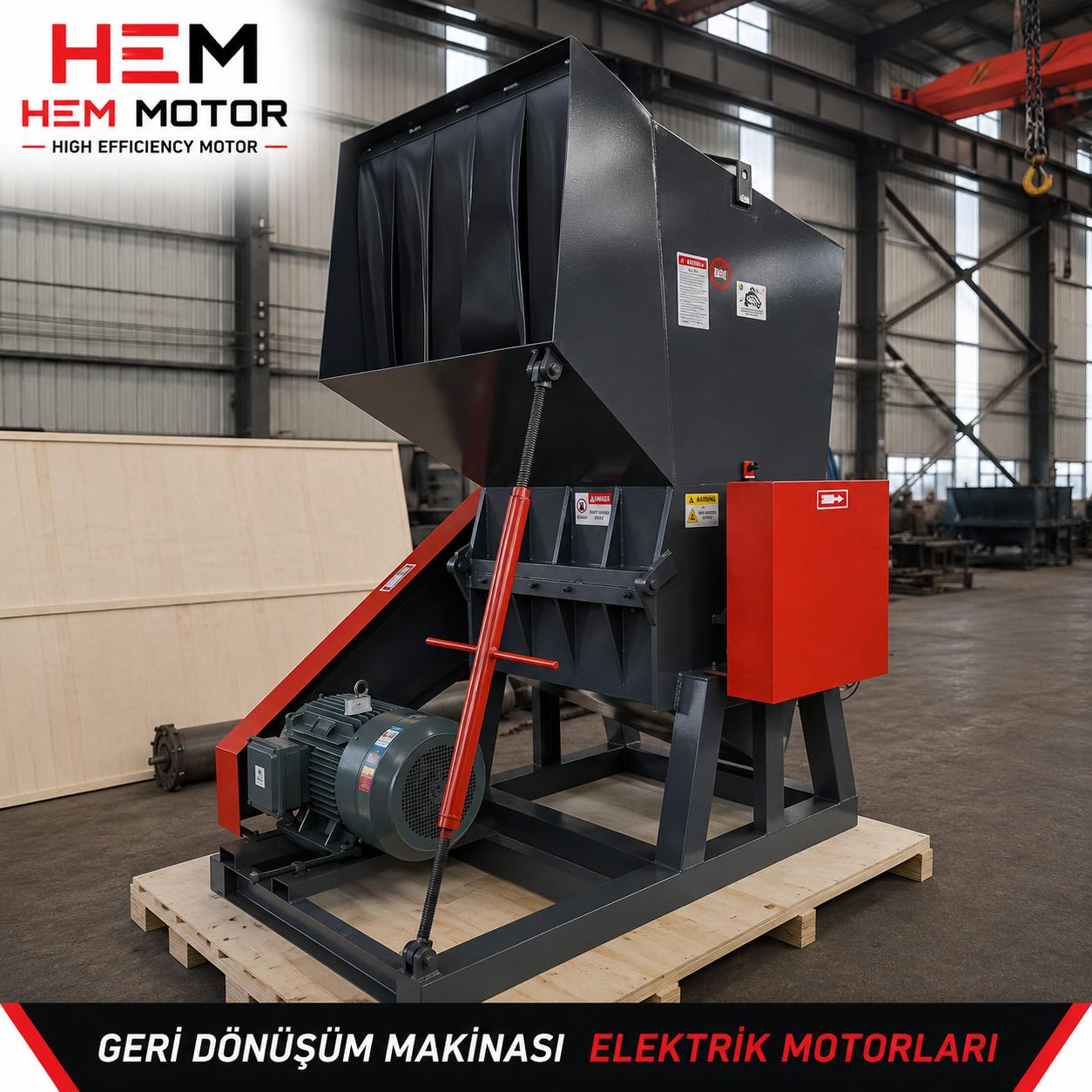
With the experience of producing heavy industrial drive solutions since 1979, we know the needs of lime and gypsum producers closely. Thanks to our identity as both a manufacturer and a seller, we can offer both competitive prices and fast delivery by removing the layers in between. Whether you are looking for a standard motor or need a project motor with a special frame and flange, we are your solution partner in both cases.
- Durable motor designs specific to heavy industry.
- Fast delivery from stock and project-based production flexibility.
- Transparent and competitive electric motor prices.
- Engineering support from needs analysis to commissioning.
- High-efficiency IE3 and IE4 class product options.
Frequently Asked Questions
What power motor is needed for a lime and gypsum plant?
The required power is determined by the size of the crusher, mill or fan, the amount of raw material to be processed and the process speed. There is no single standard value. When you share the technical data of the equipment to be driven with us, our engineering team determines the appropriate nominal power, starting torque and efficiency class together with you and prepares a customized offer of electric motor prices for you.
Which protection class is recommended for a dusty environment?
Due to the intense dust in lime and gypsum plants, we recommend at least IP55, and IP65 at critical points with high dust accumulation. In addition, a cast iron frame, advanced seal systems and a suitable insulation class are additional measures that extend motor life. We determine the most suitable protection package together according to the conditions of your project.
How long does delivery take in case of an urgent motor need?
We provide fast delivery from stock for heavy industrial motors in standard power and speed ranges. For projects requiring a special frame, flange or protection class, we share a clear production and delivery schedule. We recommend planning spare motors in advance for your critical lines; this prevents unplanned stoppages. You simply need to contact us for the current stock status.