 English
 Türkçe

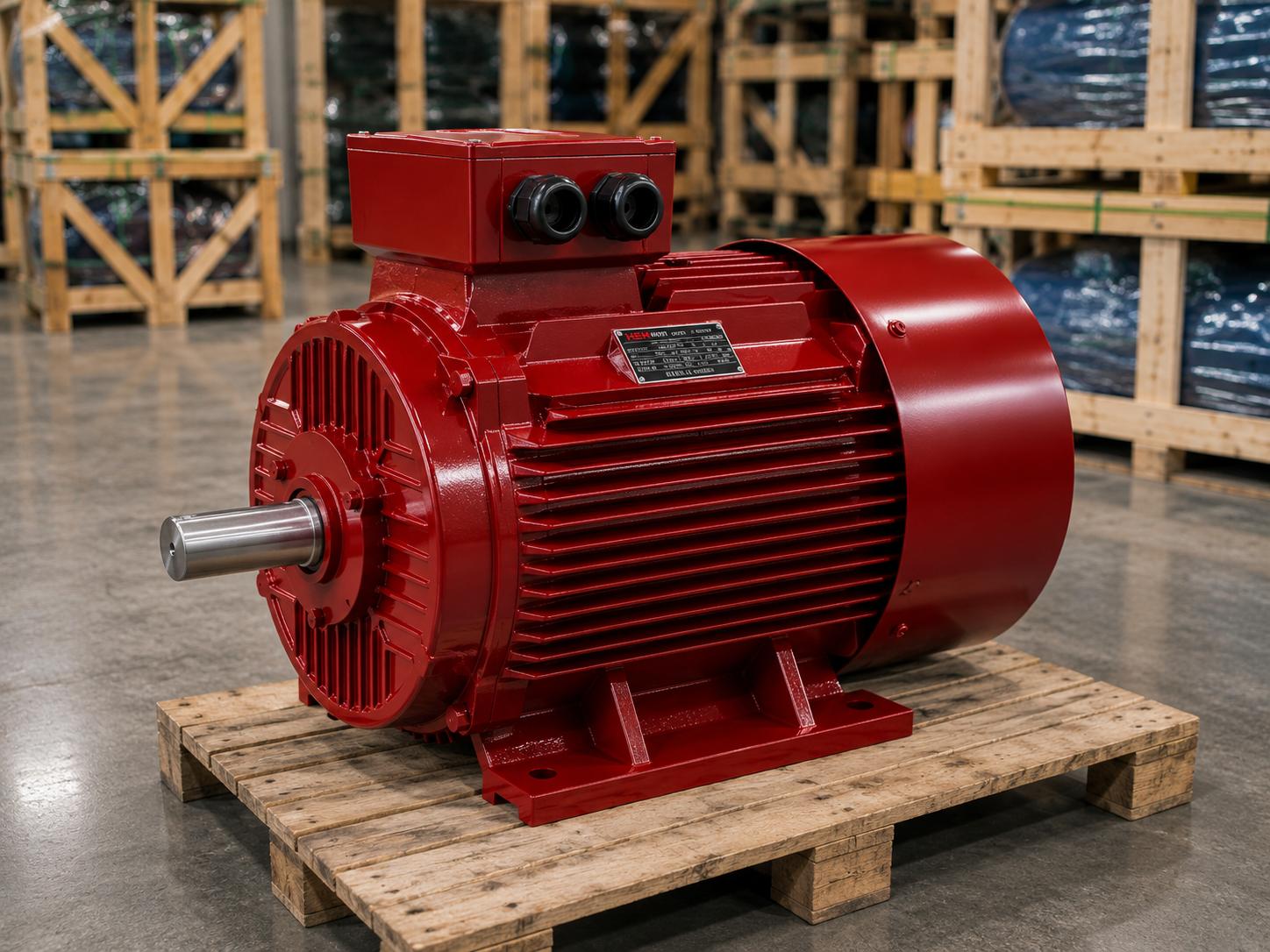
Steel production is one of the industries that stresses electric motors the most. High temperature, continuous load, sudden torque demands, dust and scale are conditions a motor working in a rolling mill faces every day. For this reason, selecting a steel rolling mill electric motor is a far more careful engineering decision than an ordinary motor purchase. On this page we explain in plain language how to choose the right motor for mill drives, shears, cooling fans, conveyor and roller drives; the heavy-duty, high-torque and hot-environment requirements; and the rolling mill motor price and sales process. As HEM Motor, our goal is to help you source the durable motor that keeps your plant running, quickly from stock or production. For stock and electric motor prices, you are in the right place to get a fast quote.
The Harsh Conditions a Motor Faces in a Rolling Mill
In a rolling mill, a motor works in an environment far from comfortable. The radiant heat from the hot rolling line raises the ambient temperature significantly. Scale and metal dust are constantly suspended in the air; cooling water and steam increase humidity. Moreover, in mill drives, shears and similar applications the load changes abruptly; a motor can go from full load to no load or vice versa within seconds. These conditions show that not a standard motor but a heavy-duty, high-torque and high-IP-protected motor is required.
Choosing the right motor is critical for both production continuity and maintenance cost. A wrongly selected motor burdens the plant with cost far above the standard motor price through frequent failures and unplanned stoppages. Below we cover the main drive points of a rolling mill and the motor needs of each.
Mill Drive and Shears: Points Requiring High Torque
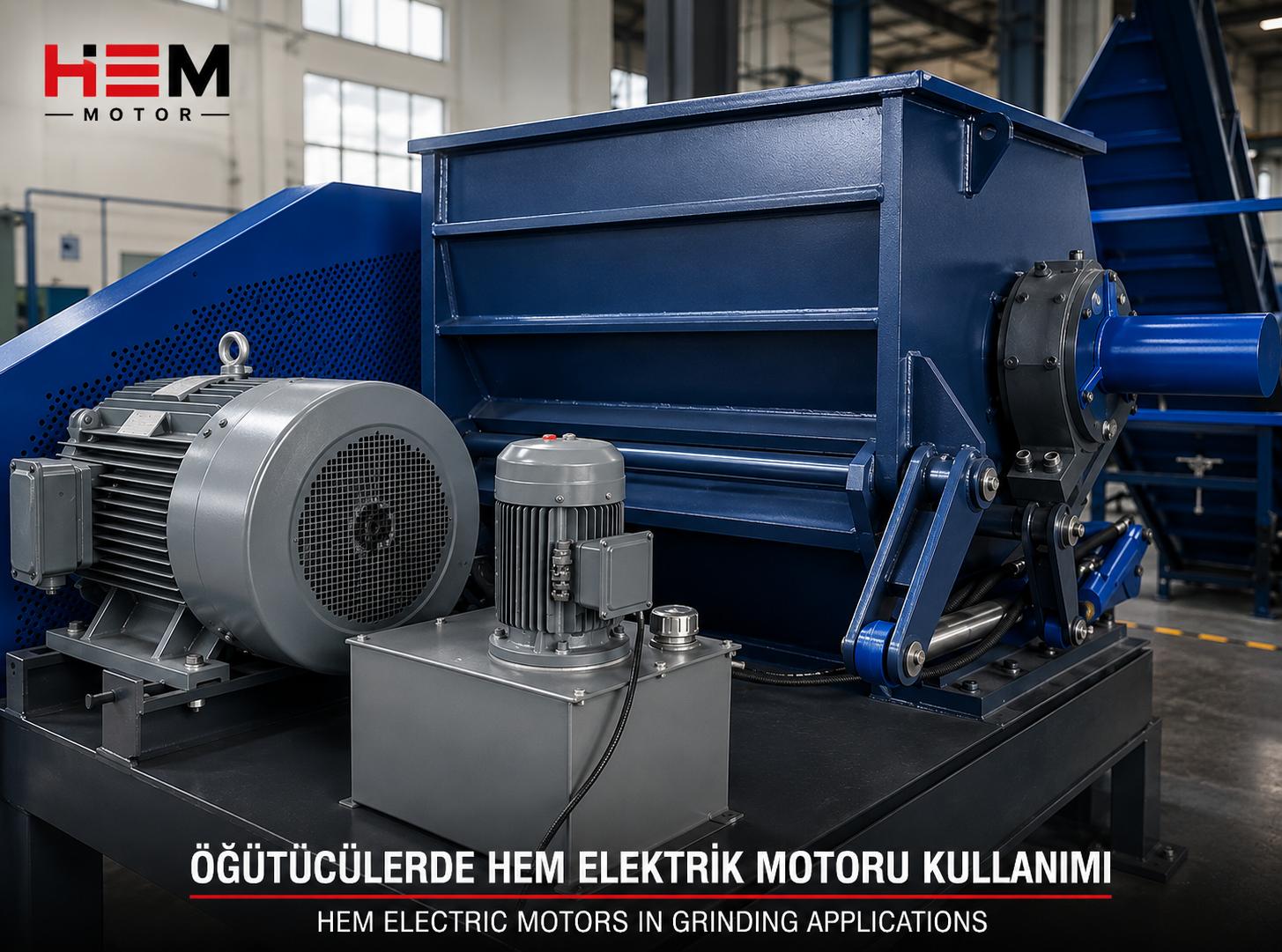
The main drive of the rolling stand is the point of the highest torque demand. During the forming of metal, the motor is subjected to short but very high torque stresses. The same applies to shears performing cold or hot cutting; a sudden load impact occurs at the moment of cutting. In these applications, high-power motors with high starting and breakdown torque are preferred. A cast-iron body is standard to dampen these harsh torque impacts and vibration.
Cooling Fans and Aspirators
The hot rolling line and furnaces require intensive cooling and ventilation. Cooling fans, flue aspirators and air curtains run continuously. At these points the motor is expected to run safely under continuous duty (S1) in a hot environment. A high-temperature-resistant insulation class and suitable cooling design are essential for these applications.
Conveyors, Roller Drives and Material Handling
In a rolling mill, material is conveyed along the line by roller tables and conveyors. These drives are usually numerous and run continuously; the stoppage of one can affect the whole line. Therefore, in roller and conveyor drives, durability and one-to-one interchangeability come to the fore. Fast spare availability from stock greatly reduces the risk of unplanned downtime.
- Roller table drive: Frequent start-stop and reversing; requires solid bearing arrangement and torque resistance.
- Belt and screw conveyors: Dusty-environment protection is important when handling scale and slag.
- Cooling bed drives: High temperature resistance is essential in the zone where hot product is conveyed.
For conveyor drives our conveyor belt electric motors and for handling systems our material handling systems electric motors pages collect suitable options.
Heavy-Duty, High-Power and High-Torque Selection
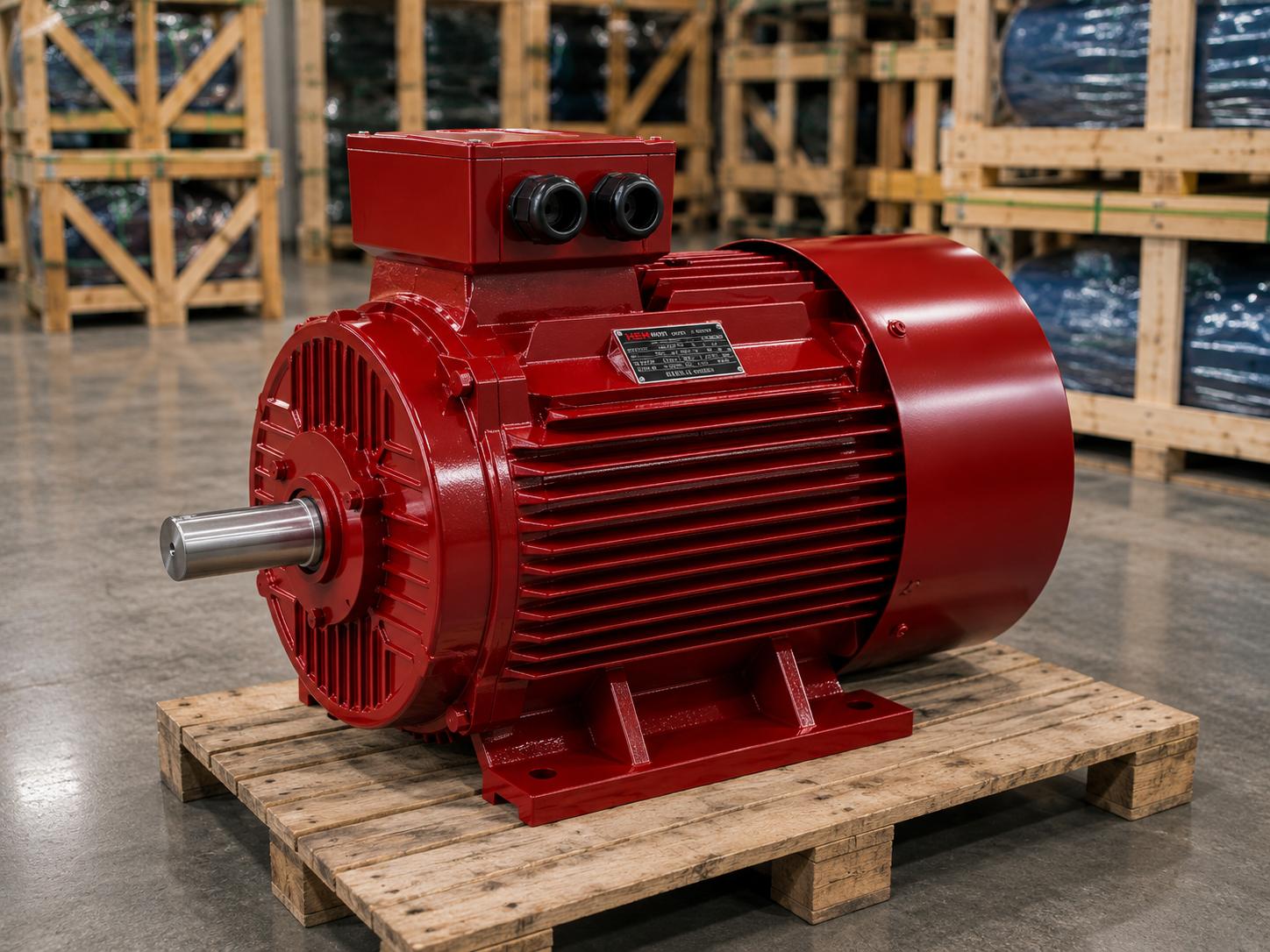
A steel rolling mill is an environment of large motor powers. Main drives are mostly in high power steps. The main features to consider when selecting these motors are:
- High starting torque: In drives engaging under load, the motor must start without strain.
- Cast-iron body: Standard in heavy-duty environments for vibration damping, mechanical strength and long life.
- High IP protection: IP55 and above is preferred against dust, scale and water splash.
- Hot-environment resistance: A margin against temperature rise is provided with a high insulation class and appropriate derating.
- Solid bearing arrangement: Bearings resistant to radial and axial loads extend life.
For high-power and heavy-duty motors, you can review the heavy-duty solutions on our mining sector electric motor and stone crushing and screening plant motors pages. Our high-torque experience in crusher and stone-crushing drives transfers directly to rolling mill applications; our crusher and stone crushing motors category provides detailed information on this.
| Drive Point | Key Need | Preferred Feature |
|---|---|---|
| Mill main drive | High torque, sudden load | High power, high starting torque |
| Shear | Load impact at cutting moment | Solid bearings, cast-iron body |
| Cooling fan | Continuous, hot environment | High insulation class |
| Roller/conveyor | Continuity, replacement | Stock availability, durability |
The Right Motor in a Hot Environment: Insulation and Cooling
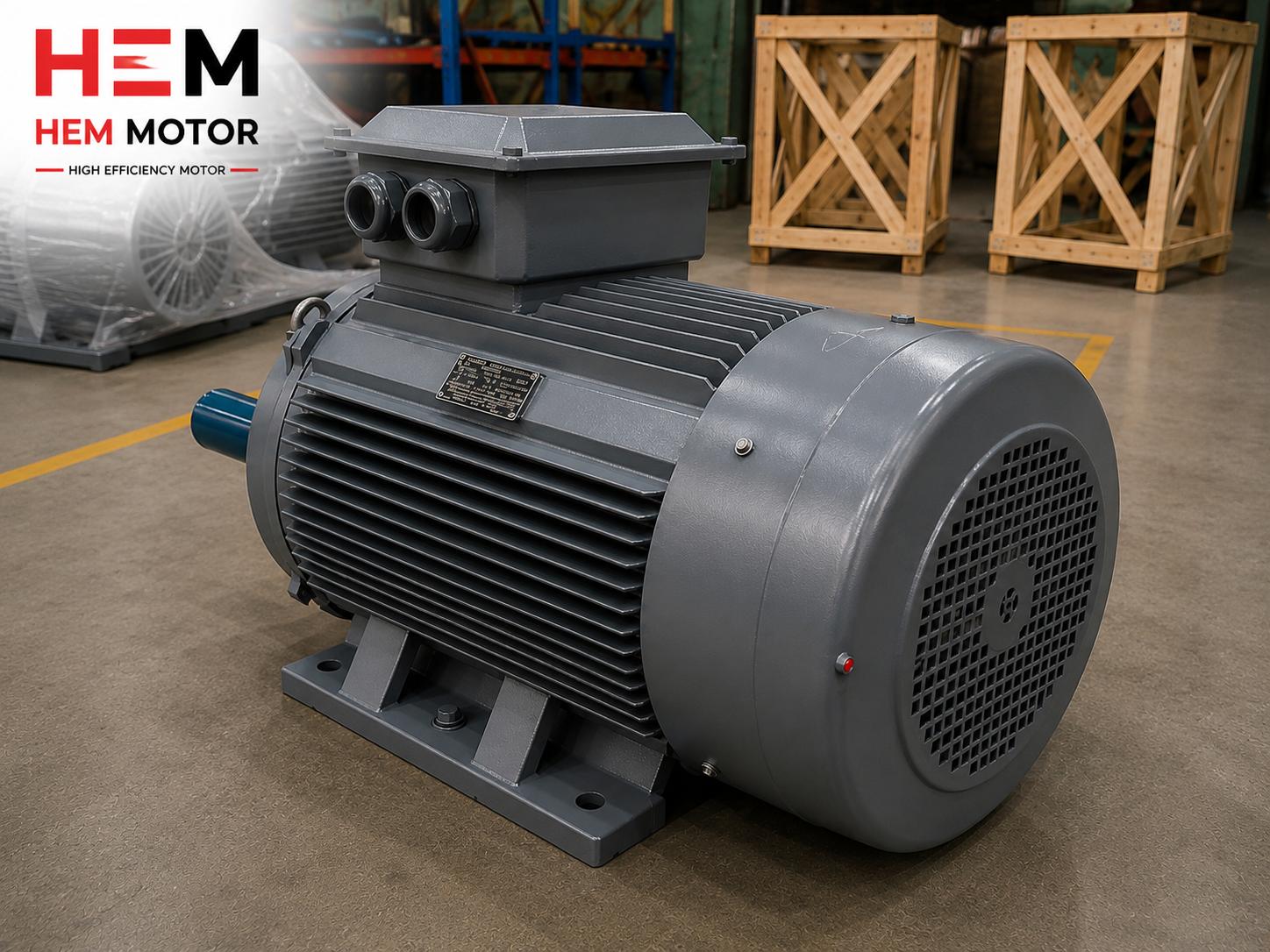
The most defining condition of a rolling mill is high temperature. When the ambient temperature around the motor exceeds the standard 40 °C, the motor power must be reduced (derating) or a higher insulation class chosen. A high insulation class allows the winding to withstand more temperature rise, thus preserving life. In addition, options such as appropriate cooling design, a forced cooling fan and an anti-condensation heater support safe motor operation in a hot, humid environment. We determine the suitable solution for your plant by evaluating these details together.
For more information on the motor needs of rolling mills and foundries, the heavy-duty-focused articles in our industrial general-purpose motors category will guide you.
Factors That Determine the Rolling Mill Motor Price
The price of a rolling mill motor is shaped by features suited to operating conditions as well as power. The main factors affecting price are:
- Power and torque class: High power and high starting torque require stronger material.
- Body material: A cast-iron body is standard for heavy duty.
- IP protection and insulation class: Upgraded protection for dusty, hot and humid environments.
- Cooling and accessory options: Forced fan, anti-condensation heater, thermal protection.
- Stock status and supply speed: Spare availability directly affects the cost of unplanned downtime.
For a clear fast quote, simply tell us the drive point, power and ambient conditions. As HEM Motor, we supply heavy-duty motors with a price-performance balance.
Sales From Stock and Supply for the Steel Sector
In a rolling mill, the stoppage of a motor means the stoppage of the entire line. That is why fast spare supply is vital for steel plants. Thanks to our supply-from-manufacturer model, frequently used power steps and heavy-duty types are supplied from stock or from production in a short time. When there is an urgent failure replacement, we can quickly identify the right motor and start the supply process. You can also find our steel- and foundry-focused supply experience in our industrial general-purpose motors content.
Frequently Asked Questions
Why must a rolling mill motor be special?
Because the rolling mill environment is hot, dusty and under continuous load. Sudden torque impacts and high temperature require a heavy-duty cast-iron body, high IP protection and a strong bearing arrangement. A standard office/workshop motor can fail quickly under these conditions.
Which insulation class is needed for a hot environment?
As the ambient temperature rises, a higher insulation class (for example class H) and/or power reduction (derating) is preferred. This allows the winding to withstand temperature rise and preserves life. We determine the right class together based on your ambient conditions.
What is the most important criterion in selecting a motor for the mill main drive?
High starting and breakdown torque together with high power are the most critical criteria. The motor must withstand the sudden load impacts during metal forming without strain.
Is a spare motor available in stock?
Frequently used power steps and heavy-duty types are supplied from stock or from production in a short time. When you share the drive point and power, we provide the stock status and a fast quote.
Is a crusher motor similar to a rolling mill motor?
Both require heavy duty, high torque and a dusty environment, so their technical approaches overlap. Our torque experience in crusher and stone-crushing applications transfers directly to rolling mill solutions.
Let Us Determine the Motor That Will Not Stop Your Plant Together
Mill, shear, cooling fan, roller or conveyor; whatever the drive point, we determine the heavy-duty motor that fully suits your operating conditions together and supply it at the most suitable price-performance point. For your production continuity, we are by your side with the right motor and fast spare support. Get in touch for a clear fast quote; HEM Motor is ready for electric motor prices and stock status.