 English
 Türkçe

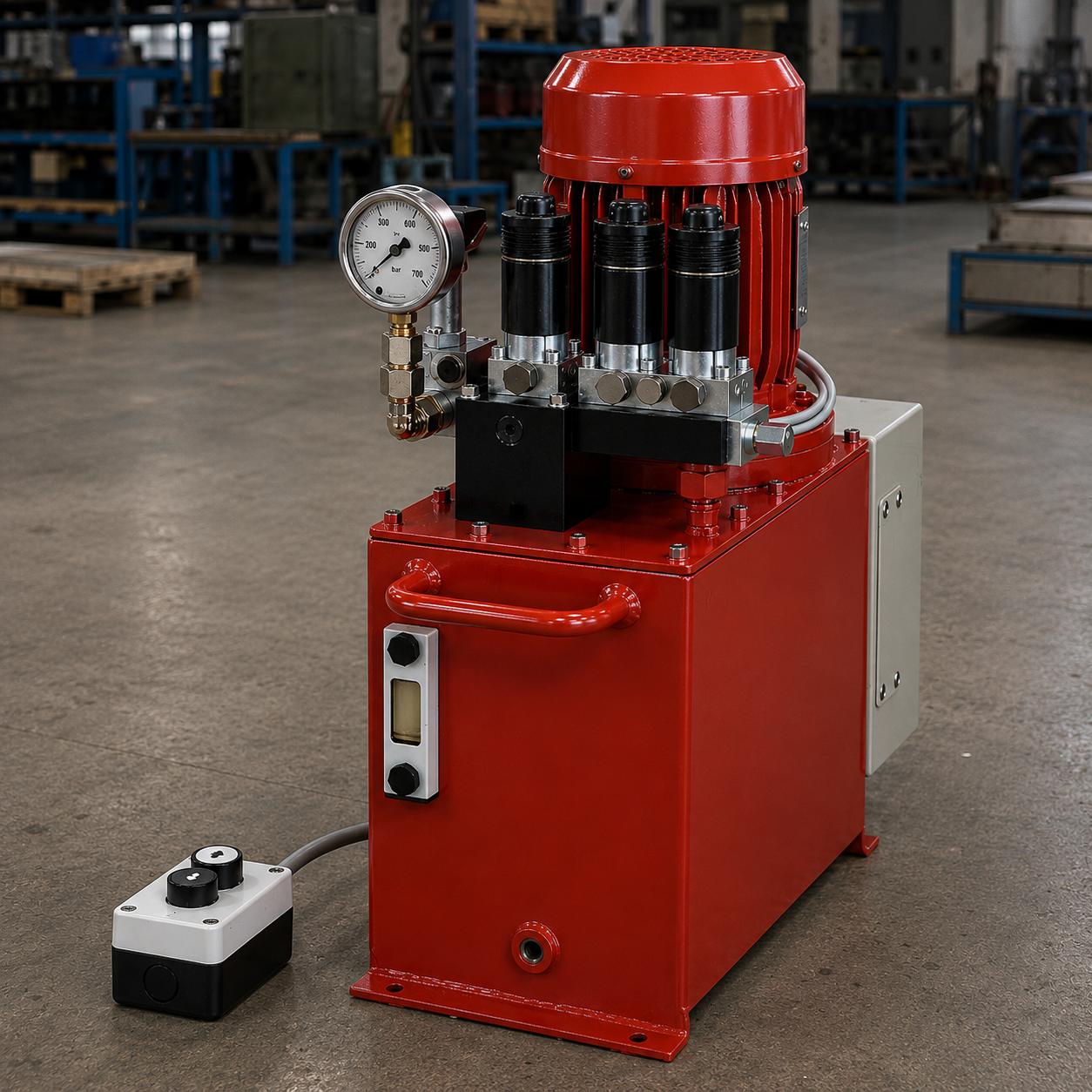
Boyabat, one of the leading districts of Sinop in industrial and agricultural production, is known for both its rice processing plants and its steel door manufacturers. The machinery parks of these two sectors have quite different load profiles, yet their common point is the need for a continuously running and efficient electric motor. In sourcing a Boyabat electric motor, the priority of businesses is to obtain a motor of the correct power and protection class that is both technically complete and available quickly from stock.
In rice processing plants, paddy cleaning, husking, whitening and sieving lines run on motor power; in steel door production, presses, press brakes, cutting machines and paint shop fans do. Each of these machines requires a different starting torque, speed and continuity. A wrongly selected motor either stops the line due to insufficient torque or inflates the electricity bill by drawing unnecessary power. In this article we look at the motor needs of Boyabat's two main sectors, the stock and price advantages and the correct selection criteria from a technical perspective.
The right motor selection directly determines both the business's production continuity and its energy cost. As HEM Motor, we offer high-efficiency motors to rice and steel door manufacturers in and around Boyabat from stock and with the right technical guidance. For more information you can visit our homepage.
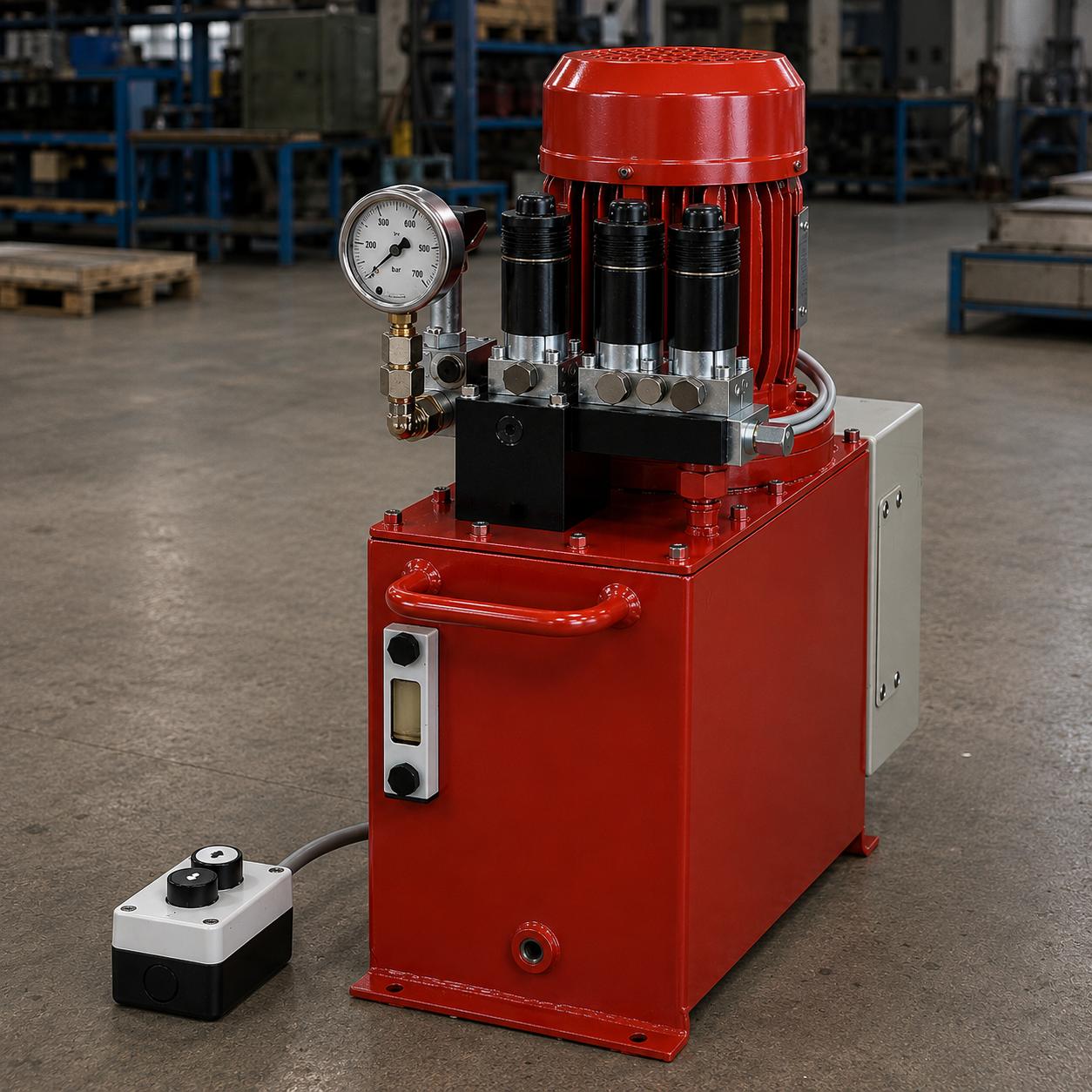
The Motor Need of Boyabat Industry
Demand for electric motors in Boyabat comes largely from the rice processing and metal working sectors. Both sectors have different duty cycles and different ambient conditions. In selecting a Boyabat electric motor, reading these differences correctly optimises both the initial investment and the long-term operating cost.
Rice Processing Plants
In rice factories, motors generally run continuously throughout the day. Sieving, husking and whitening machines are under constant load, so high-efficiency motors suited to S1 continuous duty are preferred. The dust density in a rice processing environment is high, so at least IP55 protection and a cast iron body protect the motor from dust build-up. In a continuously running facility, an IE3 or IE4 class motor creates clear savings on the annual electricity bill.
Steel Door Production Plants
In steel door production, presses, cutting machines and bending benches demand high starting torque. In these machines the motor frequently starts under load and works under variable load. Paint shop and drying fans, meanwhile, require continuous and balanced torque. The correct pole count and power selection for each application affect both production speed and motor life.
Factors That Determine the Boyabat Electric Motor Price
Motor price is determined not only by power but by many technical parameters. Two motors of the same kW value can carry different costs depending on body material, efficiency class and protection degree. When evaluating the Boyabat electric motor price, the items below should be considered together.
- Power (kW) and pole count: At the same power, low-speed motors sit in a larger frame and are therefore more expensive.
- Efficiency class (IE3/IE4): Higher efficiency raises the initial investment but is amortised quickly on the bill.
- Body material: A cast iron body is more durable than aluminium in dusty and impact environments.
- Protection class (IP55/IP65): A high IP class is required in dusty rice processing environments.
- Mounting type (B3/B5/B14): Foot, flange or combined mounting affects price and delivery time.
- Stock status: Standard motors in stock are faster and more economical than special manufacture.
Price evaluation should be based on total cost of ownership. In a continuously running rice plant, the energy savings of an efficient motor close the initial price difference quickly. To set the power-speed relationship correctly, you can review our power and speed selection guide.
The Importance of Stock and Fast Supply
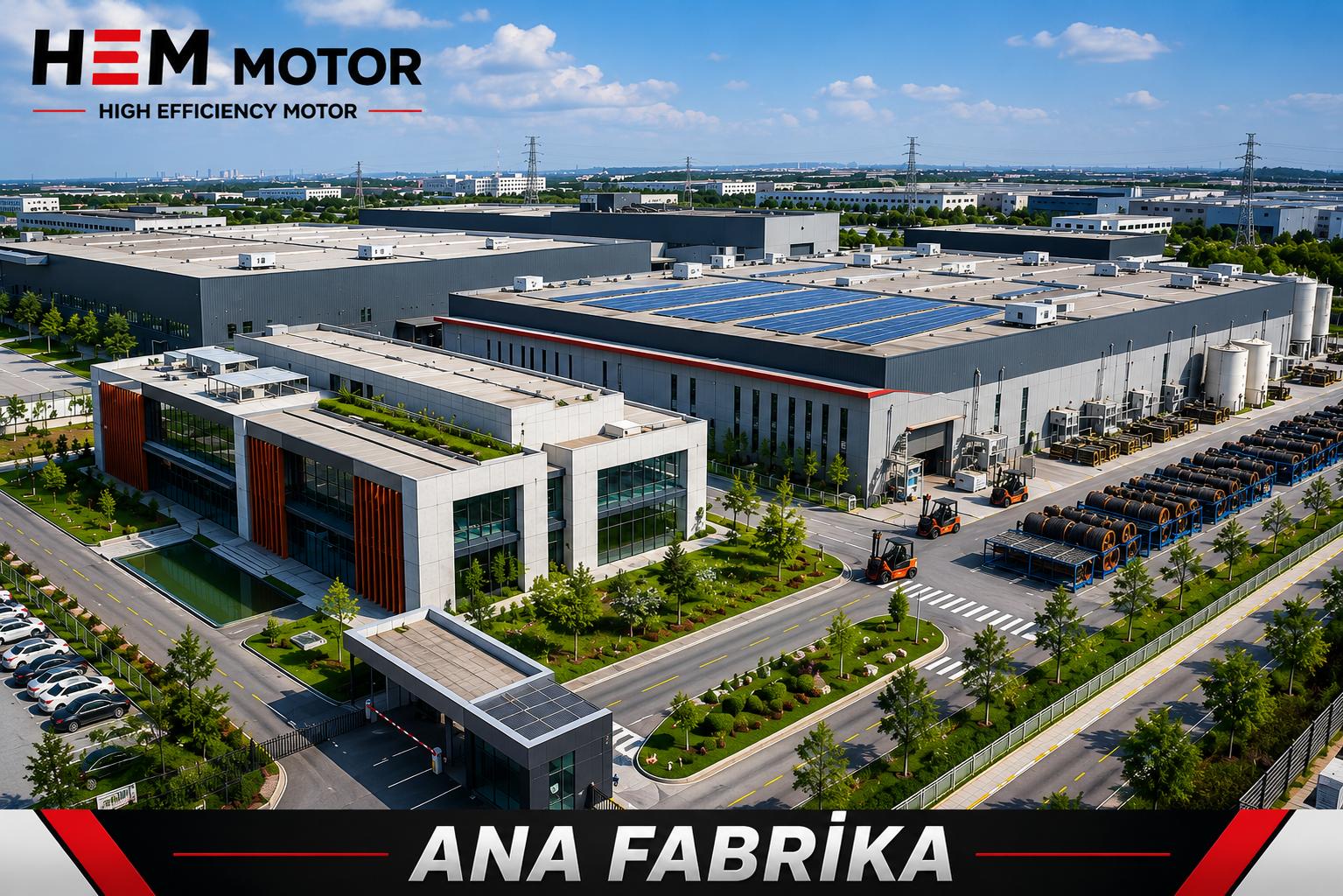
A motor failure on a production line can stop the entire line. Fast delivery from stock is therefore critical, especially during the post-harvest rice processing intensity and during periods of deadline pressure in steel door production. In Boyabat electric motor supply, keeping standard power and speed motors in stock rescues the business in urgent replacement needs.
Direct Supply from the Manufacturer
Working directly with the manufacturer removes intermediate cost layers and ensures technical support is run from a single point. When the motor's technical file, warranty process and spare part supply are managed from one point, downtime during a failure is minimised. This continuity is highly valuable for protecting the production calendar.
Technical Consulting
Selecting the right motor for each machine requires experience. A selection made without evaluating the load torque curve, duty cycle and ambient conditions leads either to energy waste or early failure. For efficient motor options you can review our motors for gearboxes category.
Efficiency with the Right Motor Selection
In continuously running facilities the electric motor accounts for most of total energy consumption. IE3 and IE4 class motors deliver serious annual savings compared with old motors. On lines that run all day, like rice processing, this saving is much clearer. In steel door production, the right starting torque and power selection increase both production speed and motor life.
Where direct drive without a reducer is possible in slow machines, this lowers both energy and maintenance cost. We detailed the impact of pole selection on the business in our asynchronous motor pole selection article.
Payback Logic in Energy Efficiency
When selecting a high-efficiency motor, looking only at the label price is misleading. The right approach is to calculate the payback period by considering the motor's annual running hours, the unit cost of electricity and the efficiency difference together. On a continuously running line like a rice plant, the payback period of an IE4 motor is often shorter than expected.
Technical Parameters in Motor Selection
When a Boyabat business buys a motor, it should look not only at power but at all technical parameters that ensure compatibility with the machine. A well-defined specification speeds up the supply process and eliminates the risk of the wrong product.
Rated Current and Starting Current
Rated current is needed to correctly size the facility's electrical installation and protection elements. Starting current matters in machines that start under load, such as presses and bending benches. High starting current can cause voltage drop in the grid; in that case star-delta or soft starter solutions are evaluated.
Service Factor and Duty Cycle
The service factor shows how far above its rated power the motor can be loaded. Correctly defining the duty cycle determines the motor's heating behaviour and life. For continuously running rice plants, choosing a motor suited to S1 duty with a sufficient service factor prevents unexpected stoppages.
Protection Class and Body Selection
The heavy dust in a rice processing environment can pack into the motor's cooling fins and cause heating problems. A motor with high IP protection and a cast iron body should therefore be preferred, and the cooling fins cleaned regularly. The metal dust and vibration in steel door production should also be considered in body selection.
The Effect of the Motor on Total Cost in the Rice and Steel Door Sectors
For Boyabat businesses the electric motor is not just equipment but an item that directly affects production cost. The electricity a motor consumes over its economic life often reaches many times its purchase price. Motor selection is therefore a decision that covers not just the initial investment but years of energy expenditure. On an all-day line like rice processing, a low-efficiency motor quietly but constantly loses money.
The Continuity-Efficiency Relationship in Rice Plants
In rice factories the production line generally runs without stopping through long shifts. Since sieving, husking and whitening machines all draw energy at the same time, the efficiency of each motor is reflected multiplied in the plant's total consumption. Choosing the IE4 class rather than IE3 in a Boyabat electric motor investment turns an efficiency difference that looks small at first into a sizeable saving by year end. Because high-efficiency motors also run cooler, winding life is extended and maintenance intervals widen.
Torque and Production Speed in Steel Door Production
In steel door production, the production speed of presses and bending benches is directly related to the torque and starting performance the motor provides. A motor with insufficient torque strains the machine and lengthens cycle time. A correctly selected motor maintains production speed and causes less wear on mechanical parts. In paint shop fans, balanced and continuous torque is important for paint quality.
A Maintenance Approach That Extends Motor Life
Operating and maintaining the motor correctly is as important as selecting it correctly. In dusty rice processing environments, regular cleaning of the cooling fins prevents overheating. Following bearing lubrication periods and monitoring vibration levels allows faults to be detected before they grow. Regular insulation resistance measurement is an effective way to protect winding health, especially in humid environments.
A preventive maintenance approach greatly reduces unplanned stoppages. A motor failing unexpectedly means not just repair cost but production lost during downtime. Regularly monitoring the motor park is therefore beneficial for Boyabat businesses in both cost and continuity. Keeping a spare motor for critical machines is also an effective strategy that minimises downtime.
Frequently Asked Questions
How quickly can I obtain an electric motor from stock in Boyabat?
Standard power and speed IE3/IE4 motors are generally shipped quickly from stock. Delivery time may vary for powers or mounting types requiring special manufacture, so notifying your need in advance ensures uninterrupted supply during busy production periods.
Which motor is recommended for my rice processing plant?
For rice processing lines that run all day, a cast iron body motor suited to S1 continuous duty, with at least IP55 protection and IE3/IE4 efficiency class is recommended. This selection provides both durability against dust build-up and low energy consumption.
Which starting characteristic matters in steel door production?
Because presses, cutting and bending benches start under load, motors that produce sufficient starting torque and have thermal protection should be preferred. Where high starting current affects the grid, the use of star-delta or a soft starter should be evaluated.
What is the payback period of switching to an efficient motor?
The payback period depends on the motor's annual running hours, the unit cost of electricity and the efficiency difference. On all-day lines like a rice plant, the payback period of an IE4 class motor is often shorter than expected. A simple per-facility calculation clarifies which machines to upgrade first and prioritises the investment, and starting with the highest-power machines that run the most makes the savings visible fastest.