English
 Türkçe

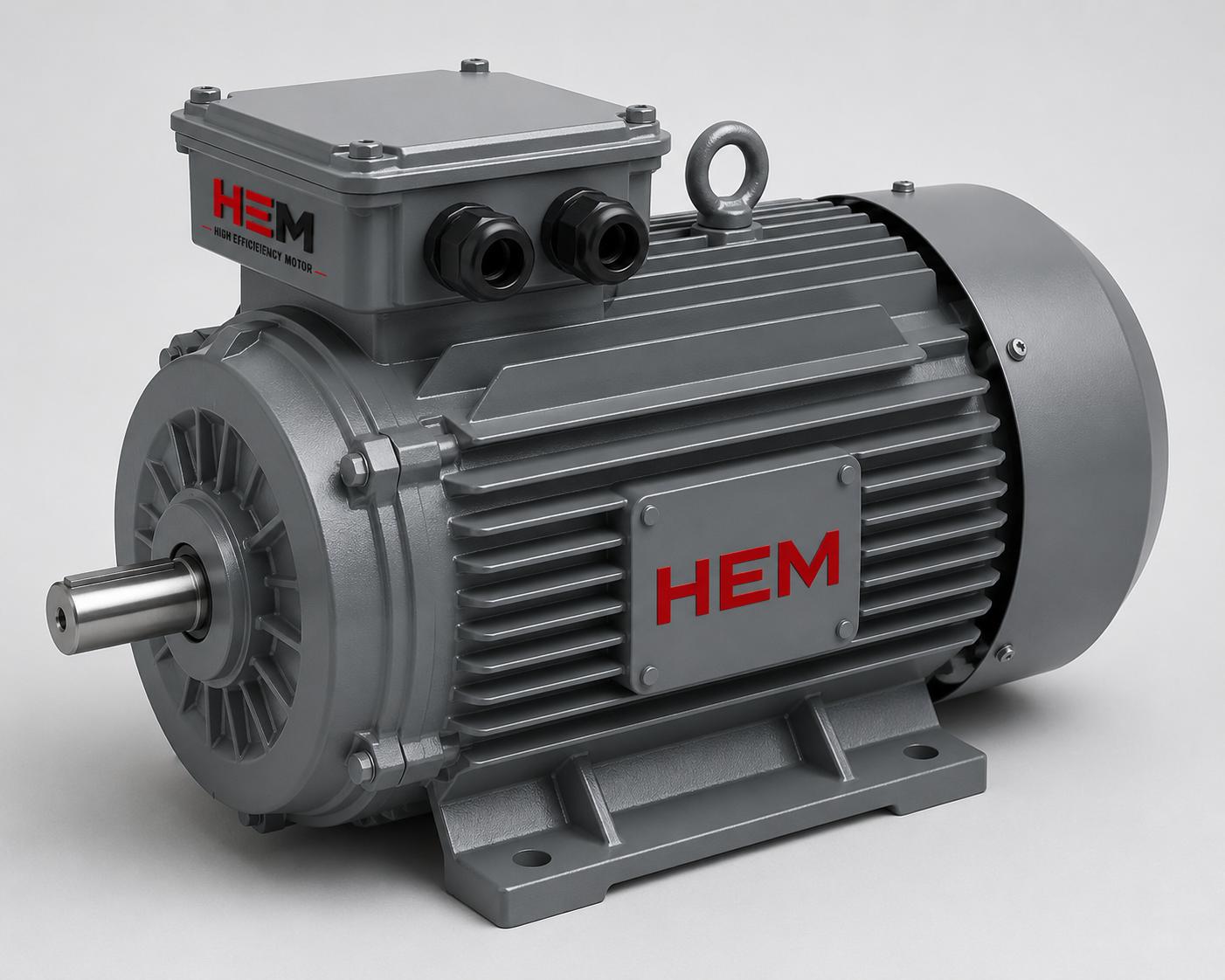

From the outside, a bottle and water filling line may look like a single machine, but it is actually the sum of dozens of separate stations working in synchrony. The filling, capping, labeling and conveyor-drive stations each have different speed, torque, protection-class and control requirements. The biggest mistake when supplying motors for such a line is trying to fit the same motor type to every station. The correct approach is to analyze the operating character of each station and select the right electric motor for it, then plan all of these motors from a single supplier with manufacturer assurance and fast spare-part supply. In this article we examine the four main stations of a filling line from a motor perspective, covering protection classes, drive control and motor-reducer matching.
Four Stations, Four Different Motor Needs on a Filling Line
The filling, capping, labeling and conveyor stations of a filling line require different motor features. Putting them in the same basket leads to both energy waste and early failure. Treating the stations one by one is the foundation of correct power and speed selection.
The Filler Station
At the filler station, precision is everything. In carousel-type filling machines the rotary table, fill valves and dosing pumps move mostly at low speed with high precision. Drive (VFD) controlled motors are usually used here, because the filling tempo has to be adjusted instantly according to the line speed. Since the filling zone constantly meets water, product splash and wash-down cycles, the motor protection class is critically important.
The Capper Station
The capper station must tighten the cap to the correct torque value. An under-tightened cap leaks; an over-tightened one is both damaged and causes product loss. For this reason the motors driving the capping heads must have high speed control and repeatability. Low-vibration motors with balanced rotors are preferred here.
The Labeler Station
The labeler station requires the bottle speed and the label-feed speed to be exactly synchronized. The smallest speed deviation causes the label to shift, wrinkle or be misplaced. This synchronization can only be achieved with drive-controlled motors that respond smoothly to sudden speed changes.
The Conveyor Drive Station
The conveyor is the backbone of the line. It must carry bottles from station to station smoothly, without jolts and without accumulation. Conveyor drive motors usually operate as a motor-reducer combination and are expected to produce high torque at low speed.
- Filler: low speed, precise dosing, high IP protection, VFD control.
- Capper: controlled torque, low vibration, repeatable speed.
- Labeler: exact synchronization with bottle speed, precise speed tracking.
- Conveyor: motor-reducer, low speed-high torque, continuous duty.
IP Protection Class in Washed and Pressurized-Water Zones
The most defining feature of filling lines is moisture. Some zones of the line only see splashing, while others are washed directly with a pressurized water jet. Applying a single protection class to the whole line is therefore wrong both in terms of cost and safety. IP55 is needed in washed areas, IP65/IP66 in pressurized-water zones, and even IP69K in areas requiring food-hygiene high-pressure hot-water cleaning.
- IP55: dust-protected, resistant to water spray from all directions; suitable for the standard line surroundings.
- IP65/IP66: fully dust-tight, protected against strong water jets; ideal for the filling and capping surroundings.
- IP69K: resistant to high-pressure, high-temperature cleaning; the top class in food and beverage hygiene.
When the wrong protection class is chosen, moisture enters the motor terminal box and winding; this lowers insulation resistance, causes corrosion and eventually leads to a burnt winding. Determining the correct IP class at the ordering stage is the precondition for the line to run for years without failure.
Drive (VFD) Controlled, Low-Vibration Motors for Synchronized Operation
Drive (VFD) controlled, low-vibration motors are preferred for synchronized station operation. Even if each station on a filling line works correctly on its own, if the tempo between them is not aligned, bottles either accumulate or gaps form. Motors running with a variable frequency drive (VFD) ramp up and down according to the overall line speed; sudden start shocks disappear and product spillage is reduced.
Low vibration is critical for precise filling and labeling. A vibrating motor creates micro-jolts transmitted from its shaft to the conveyor and from there to the bottle; this causes deviation in fill level and label slippage. For this reason these lines prefer motors with balanced rotors, low noise and drive-compatible (inverter-duty) insulation. When planning drive-controlled filling-line motors for your line, always keep these criteria in mind.
Motor-Reducer Matching and IEC Connection at Low-Speed Stations
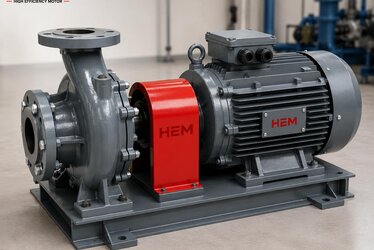
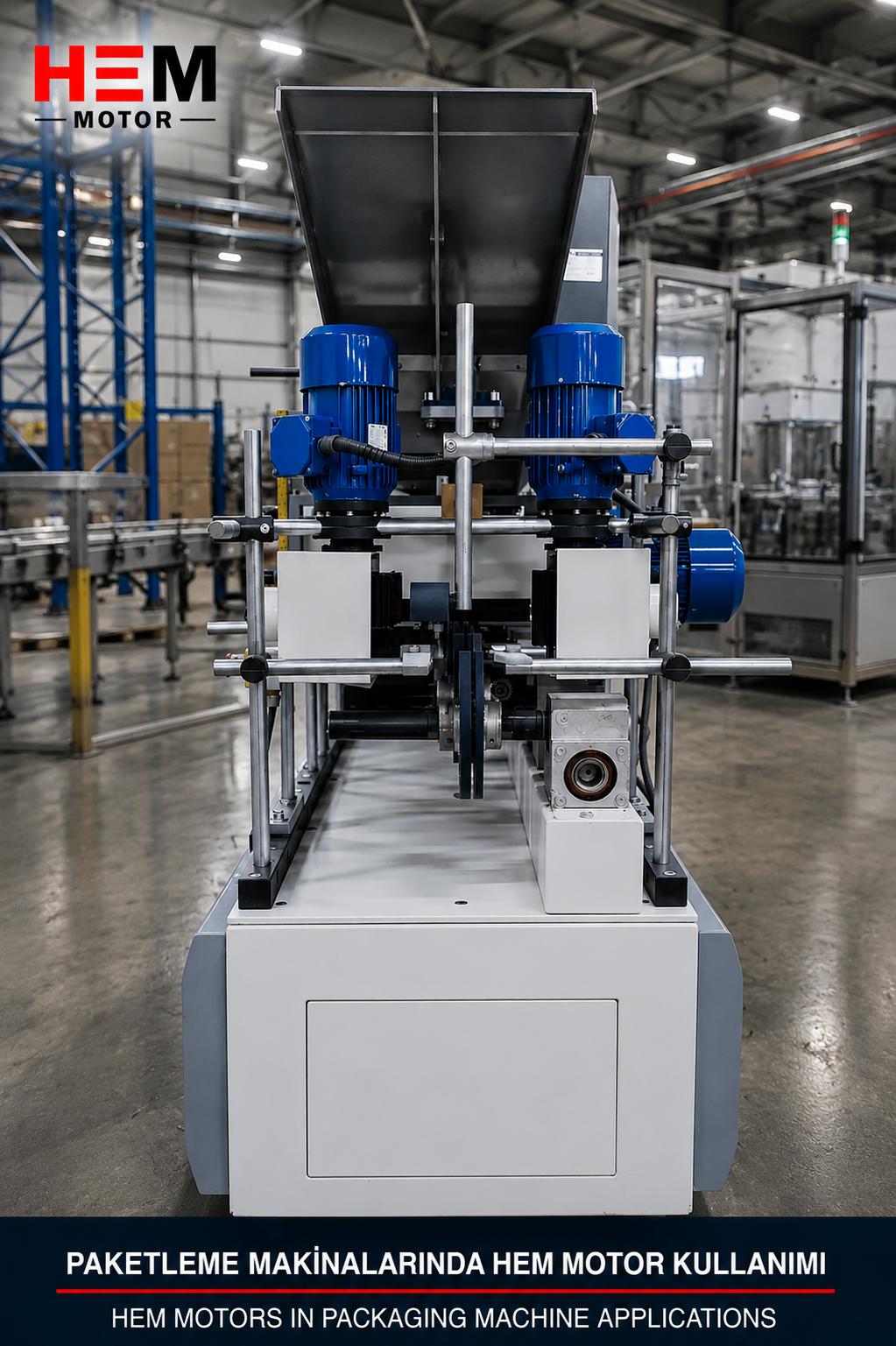
At low-speed stations the motor-reducer matching must be compatible with the IEC connection. At points requiring low speed-high torque such as conveyors, rotary tables and feed screws, the motor does not run directly but through a reducer. Here the motor flange type, shaft diameter and connection dimension must exactly match the reducer's IEC input standard.
- IEC flange compatibility: a B5 or B14 flange must match the reducer input flange.
- Shaft diameter and key: the motor shaft must seat fully into the reducer bore; solutions needing an adapter create vibration.
- Speed match: the motor output speed and reducer ratio must be calculated to give the desired conveyor speed.
When this matching is not done correctly, the extra load on the reducer shortens bearing life and lowers system efficiency. Supplying the correct IEC-connected motor exactly compatible with the reducer directly reduces the line's maintenance costs.
Manufacturer-Assured Stock and Fast Spare-Part Supply
On a filling line, the stoppage of a single station means the stoppage of the entire line. Therefore the most critical factor in motor supply is being able to source a spare quickly in case of failure. We supply filling-line motors from 0.55 kW to 355 kW from stock with manufacturer assurance and fast spare-part supply. Planning the exact spares for the motors at the critical points of your line in advance allows them to be put into service in minutes rather than hours during unexpected downtime.
Planning the motors of all stations from a single supplier brings technical-spec consistency, shared spare stock and a fast-shipping advantage. When building the right solution for your line, evaluate current electric motor prices and stock availability together, and select the most suitable configuration from among the filling-line motor options.
Frequently Asked Questions
Can I use the same motor at all stations of the filling line?
No. The filling, capping, labeling and conveyor stations require different speed, torque and protection classes. Forcing the same motor means both energy waste and early failure. Making a separate selection per station's operating character, but planning them all from a single supplier with a shared-stock logic, is the most correct approach.
Which IP class is needed in a filling zone washed with pressurized water?
While IP55 is sufficient in standard washing zones, IP65 or IP66 is recommended in zones in direct contact with a pressurized water jet, and IP69K in zones where food hygiene requires high-pressure hot-water cleaning. The wrong IP class leads to a winding failure through moisture entering the terminal box.
How should I match the conveyor drive motor to the reducer?
The motor flange type (B5/B14), shaft diameter and connection dimension must be exactly compatible with the reducer's IEC input standard. For speed matching, the motor output speed and reducer ratio are calculated to give the desired conveyor speed. Clarifying this matching at the ordering stage prevents vibration and early wear.