 English
 Türkçe

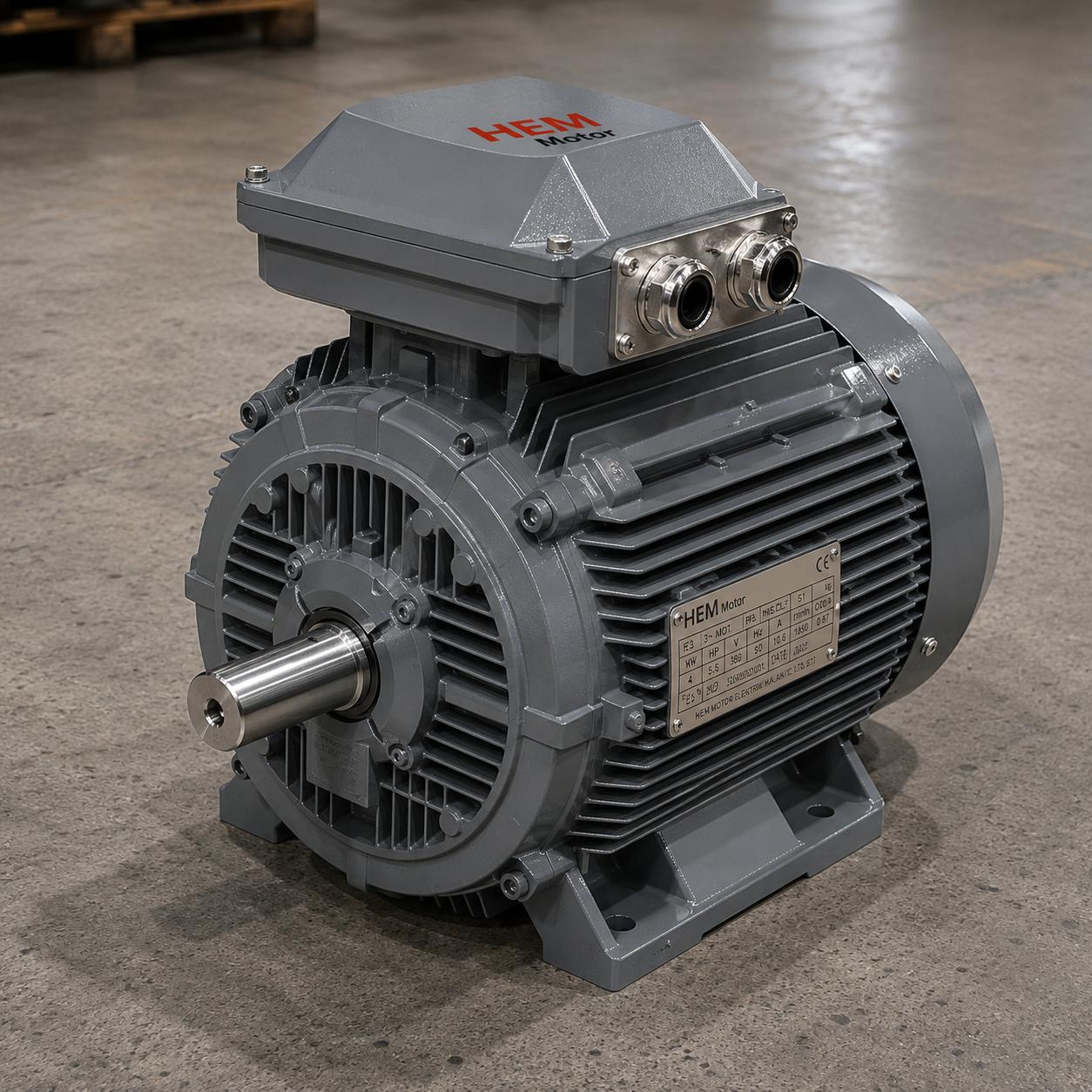
The 37 kW electric motor is one of the most sought-after ratings in the medium-to-large power class that forms the backbone of industry. Found across pump stations, conveyor lines, crushing-screening plants, fan groups and booster systems, this rating sees high demand and brisk stock movement, so working with the right supplier delivers fast delivery from stock and a strong price-performance balance. At HEM Motor we keep the 37 kW frame in 2, 4 and 6-pole options across IE3 and IE4 efficiency classes, matching the exact product from your nameplate to give you a fast quotation.
On this page we cover where the 37 kW motor is preferred, how pole-speed options affect price and performance, starting methods, and the advantages stock sales bring to buyers, with examples from the field. Our goal is to give you a clear 37 kW electric motor price and supply framework before you order. For power, speed and efficiency-class guidance, reach out through HEM Motor electric motor prices.
Why 37 kW Is Among the Most Requested Power Classes
In the IEC frame table, 37 kW typically corresponds to the 200 frame (200L) size, and because its foot-flange mounting dimensions are standardized, it makes replacement ordering far easier. Finding an exactly compatible replacement for a failed motor on a production line minimizes downtime. The popularity of 37 kW comes precisely from this: many machines, from medium pumps to large fan groups and from granulators to belt conveyors, operate in this band.
This prevalence translates into two concrete buyer advantages. First, because there is constant stock movement, the 37 kW motor can almost always be delivered from stock. Second, high demand creates economies of scale in supply, so the 37 kW class is generally offered with strong price-performance. Reviewing correct speed selection in motor replacement helps you confirm the right rating for your existing line.
Pole and Speed Options: 2, 4 and 6 Poles
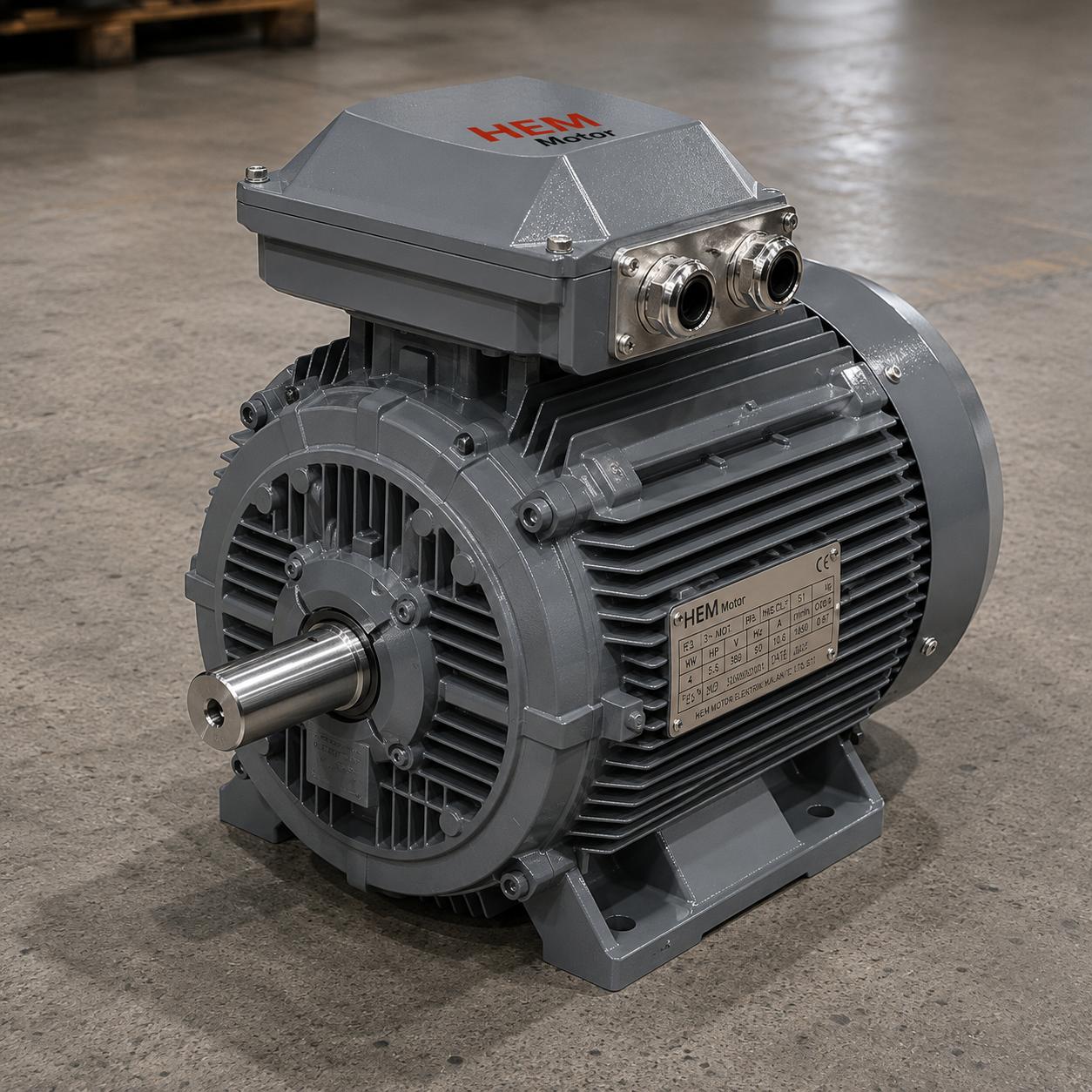
The most critical choice defining the 37 kW motor's performance is the pole count and the corresponding speed. Different pole options at the same power serve entirely different applications. The wrong pole choice causes mismatch with the load, unnecessary energy use and early failure.
| Pole Count | Approx. Speed Character | Typical Application |
|---|---|---|
| 2-pole | High speed | Centrifugal pump, high-pressure fan, compressor |
| 4-pole | Medium speed | Conveyor, general-purpose drive, geared system |
| 6-pole | Low speed | Blower, heavy start requiring high torque |
The most requested combination is the four-pole 1500-rpm-class 37 kW motor, because the vast majority of conveyor, gearbox-drive and general industrial applications run at this speed. The two-pole high-speed version is indispensable for pump and fan groups. For the right pole choice, our guide on 30 and 37 kW IE3 motor speed and pole selection shows the fastest configuration available from stock.
IE3 or IE4? How Efficiency Class Affects Price and Operating Cost
In a continuously running rating like 37 kW, efficiency class affects a far bigger item than purchase price: the energy bill. IE3 premium efficiency motors meet the regulatory mandate, carry broad stock and are the most balanced choice in terms of price-performance. IE4 super premium motors, with their lower losses, reduce operating cost in plants running long daily hours and repay the investment through energy savings.
We keep the 37 kW rating in both IE3 and IE4 in stock. To clarify which class suits your duty profile, compare our IE3 efficient electric motors and IE4 high-efficiency electric motors product groups, and get a fast quotation in the right class for your running hours.
Starting the 37 kW Motor: Direct, Star-Delta and Soft Start
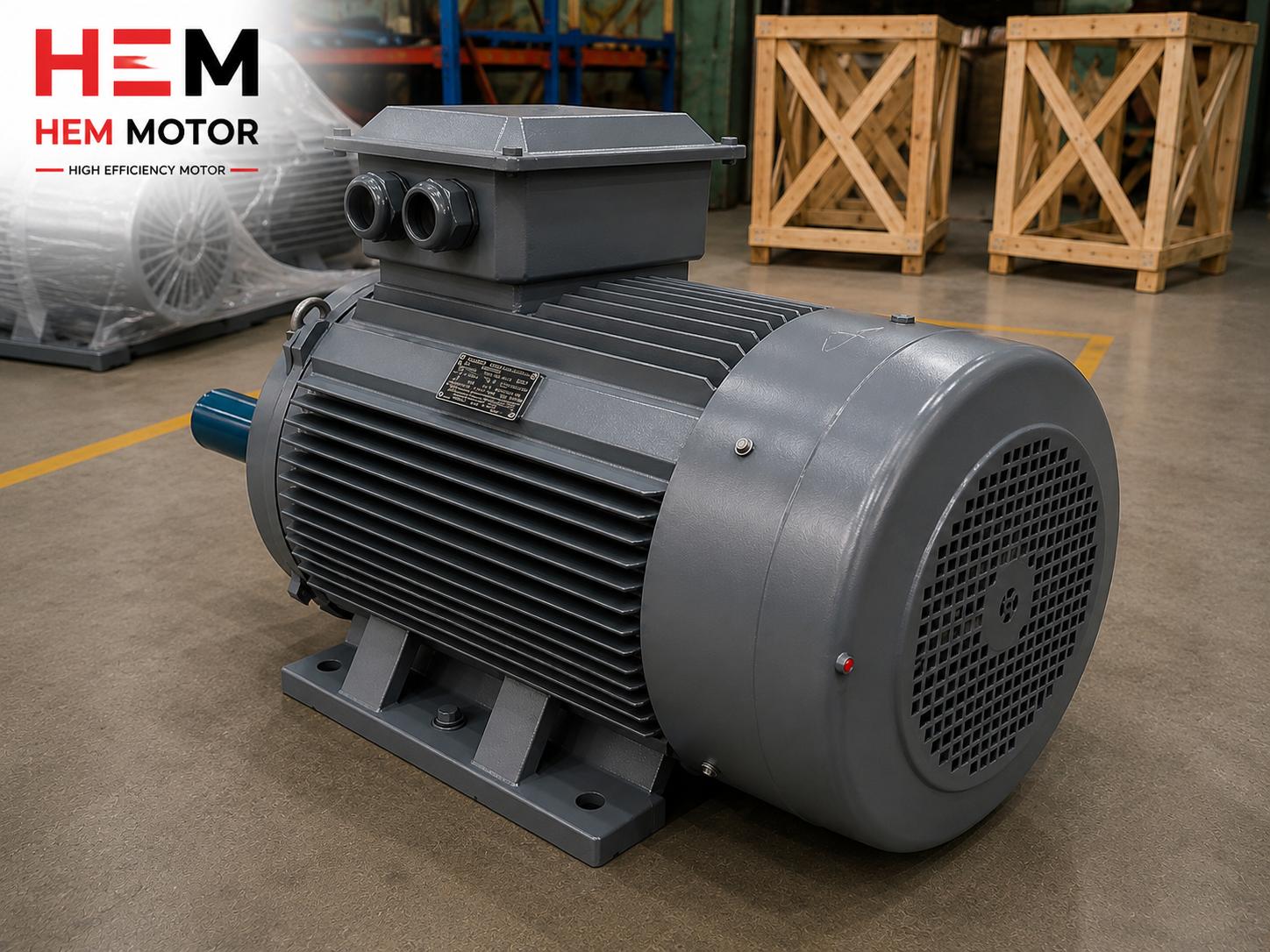
Because 37 kW draws a high inrush current in direct-on-line (DOL) starting, the starting method matters for both motor life and the grid. Your plant's electrical infrastructure and the load character determine the right method.
- Star-delta starting: The classic, economical solution that reduces inrush current; widely preferred for 37 kW.
- Soft starter: Reduces mechanical shock and electrical stress; provides smooth starting on pump and conveyor lines.
- Variable frequency drive (VFD): Offers both soft start and energy savings in fan and pump applications needing speed control.
The starting choice relates directly to the motor's terminal connection and winding layout. For correct matching, our articles on soft starter compatibility in IE3 motors and VFD with asynchronous motor help you clarify the connection type before ordering.
The Concrete Advantages of Stock Sales for Buyers
When a motor fails on a production line, the biggest cost is not the motor itself but the halted production. That is exactly why stock sale of a common rating like 37 kW becomes a direct gain for the buyer.
| Supply Approach | Effect on Buyer |
|---|---|
| Ready delivery from stock | Downtime minimized, line restarted quickly |
| Broad pole and efficiency choice | Exact replacement from one source, no scale uncertainty |
| Fast quotation process | Decision accelerates, price-performance clear in advance |
This is the core reason we keep 37 kW in various pole and efficiency classes in stock: never to keep your plant waiting, even in emergencies. To see stock status and the 37 kW electric motor price, reach HEM Motor.
What to Check When Choosing the Right 37 kW Motor
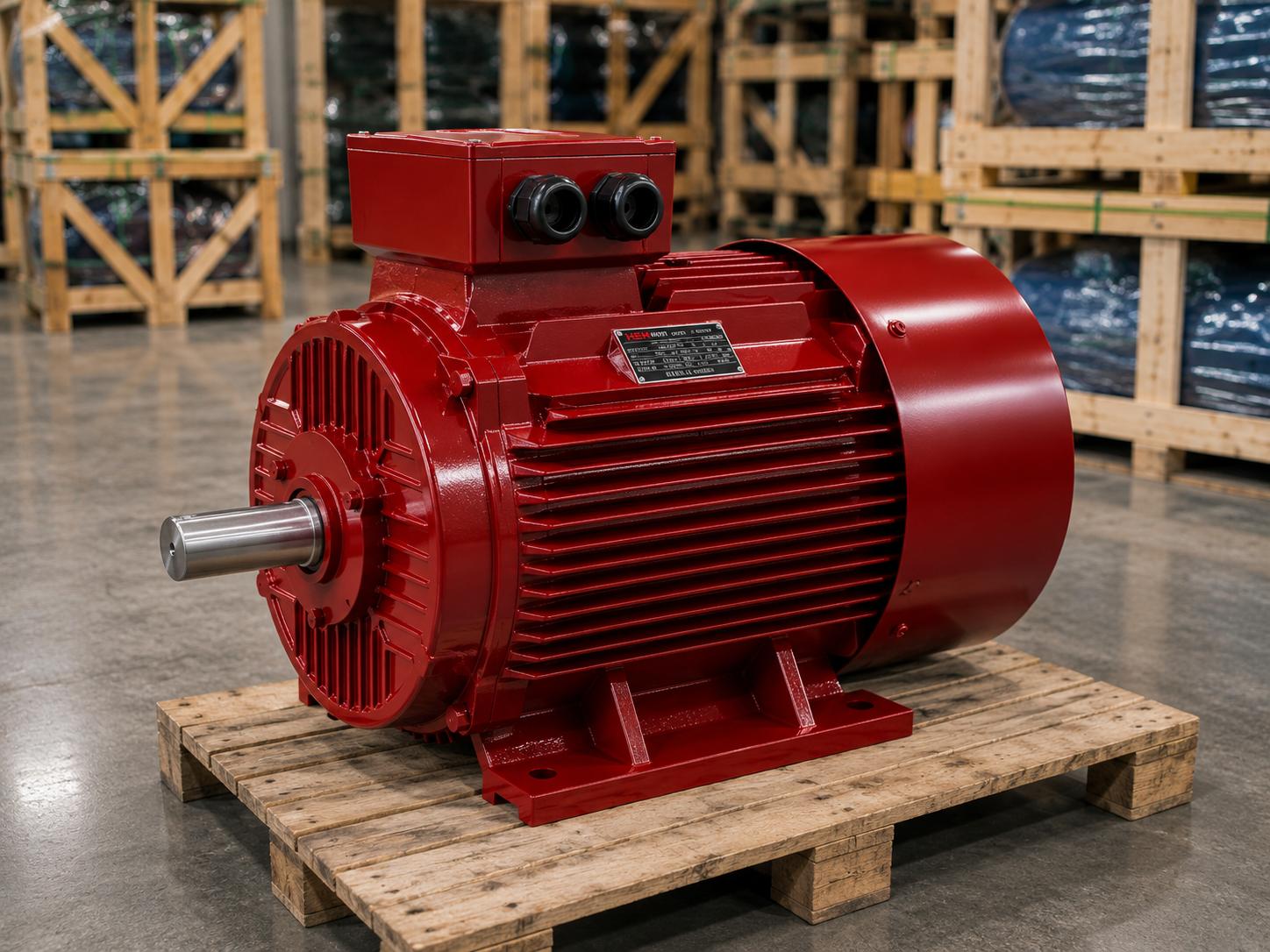
Clarifying a few technical details before ordering ensures both the correct price and exact compatibility with your application:
- Mounting type: Foot (B3), flange (B5) or combined (B35); selected per the existing machine.
- Body material: Cast-iron body provides durability in heavy-duty and high-vibration environments.
- IP protection class: IP55 and above should be preferred in dusty or wet environments.
- Shaft diameter and key: A critical dimension for coupling or belt-pulley connection.
When you send us these from your nameplate, we match the most suitable 37 kW motor from stock and prepare a fast quotation. For mounting choice, review our B5 flange-mounted electric motors and B3 foot-mounted electric motors options.
Frequently Asked Questions
What determines the price of a 37 kW electric motor?
The main factors are pole count, efficiency class (IE3/IE4), mounting type, body material and IP protection class. When you share your nameplate details, we match the most suitable configuration from stock and issue a price-performance oriented fast quotation.
How quickly is a 37 kW motor delivered from stock?
Because 37 kW is among the most requested ratings, we keep 2, 4 and 6-pole options in stock. Standard configurations are generally shipped with fast delivery from stock, and we prioritize urgent replacement needs.
Can I find an exact 37 kW replacement for my failed motor?
Yes. Since the 200 frame is in standard dimensions, we match the pole, speed, mounting and shaft data on your nameplate to supply an exact replacement from stock.
Does it make sense for me to choose IE4 instead of IE3?
If your motor runs long uninterrupted hours daily, IE4's lower losses deliver clear savings on the energy bill and the difference repays over time. For shorter-duty applications, IE3 is the most balanced choice in price-performance.
Do you recommend the starting method for the 37 kW motor?
Yes. Based on the load character and your grid infrastructure, we determine the suitable option among direct, star-delta, soft starter or VFD together and configure the motor accordingly.
Fast Quotation and Stock Sale
We deliver the 37 kW electric motor from stock in IE3 and IE4 classes with 2-4-6 pole options. To get a 37 kW electric motor price in the right power and efficiency class without keeping your line waiting, reach HEM Motor with your nameplate details and we will share a same-day fast quotation and stock status. If your needs shift to higher powers, our guide on 45 and 55 kW IE3 motor stock selection will also guide you.