 English
 Türkçe

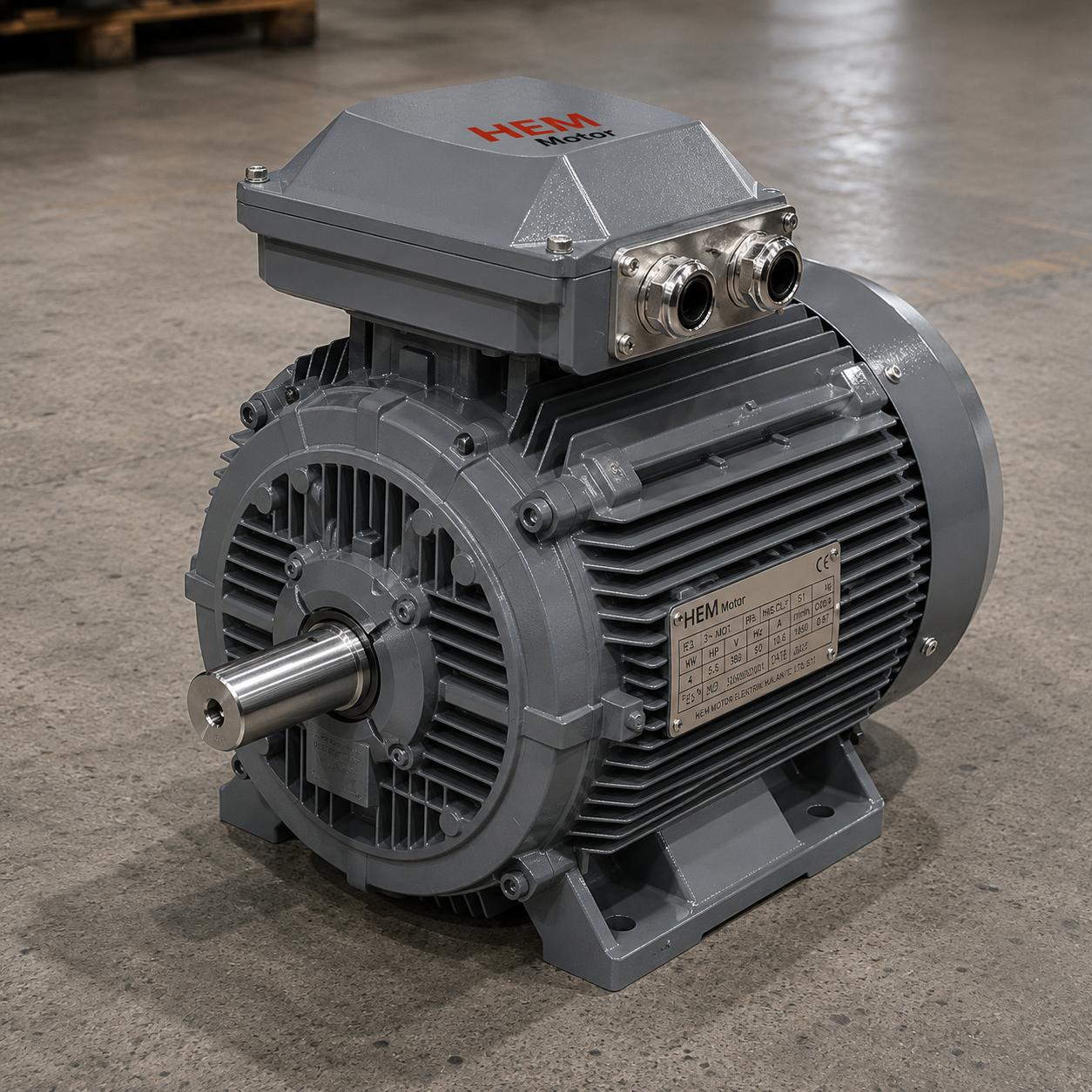
On main process lines that demand high-power drives, the 160 kW electric motor is one of the most critical investment items. This rating appears on machines that form the heart of a facility: large centrifugal pumps, high-flow fans, compressors, crusher and mill drives. Because the failure of a motor at this scale can halt production entirely, buying from the right manufacturer with the right configuration and a fast-supply guarantee carries great weight. Requesting a fast quote for a 160 kW motor price from an address that sells from the manufacturer clarifies the frame, pole, efficiency class and starting method in one step, reducing both delivery time and commissioning risk. In this guide we cover the technical choices and purchasing criteria for the 160 kW motor with a stock-and-supply focus.
Pole, Speed and Frame on the 160 kW Motor
At high power, pole selection is made according to the speed the machine demands and directly determines the frame size. In the 160 kW class, the 2- and 4-pole versions are the most preferred.
- 2 poles (around 3000 rpm): Used for high-speed large centrifugal pumps, blowers and compressors. Delivers high flow at high speed.
- 4 poles (around 1500 rpm): The most balanced and most requested speed. Standard on conveyor, mill, crusher and general heavy-industry drives.
The 4-pole version of 160 kW is mostly produced in the standard IEC range at frame 315. Frame 315 is designed with a large shaft diameter, wide foot spacing and high bearing capacity to carry heavy loads and large impellers. If you are replacing an existing motor, stating the frame number and mounting code on the nameplate guarantees mechanical compatibility, because field modification at this scale is difficult in terms of time and cost.
Why the Right Frame Match Matters at High Power
The weight and shaft loads of a frame-315 motor are incomparably higher than those of small motors. For this reason, replacement orders require not just the power but also the shaft diameter, key dimension, flange holes and foot position to match exactly. A wrong frame leads to coupling alignment problems and early bearing wear. If you share your machine's connection dimensions at the quotation stage, we verify coupling and base compatibility in advance.
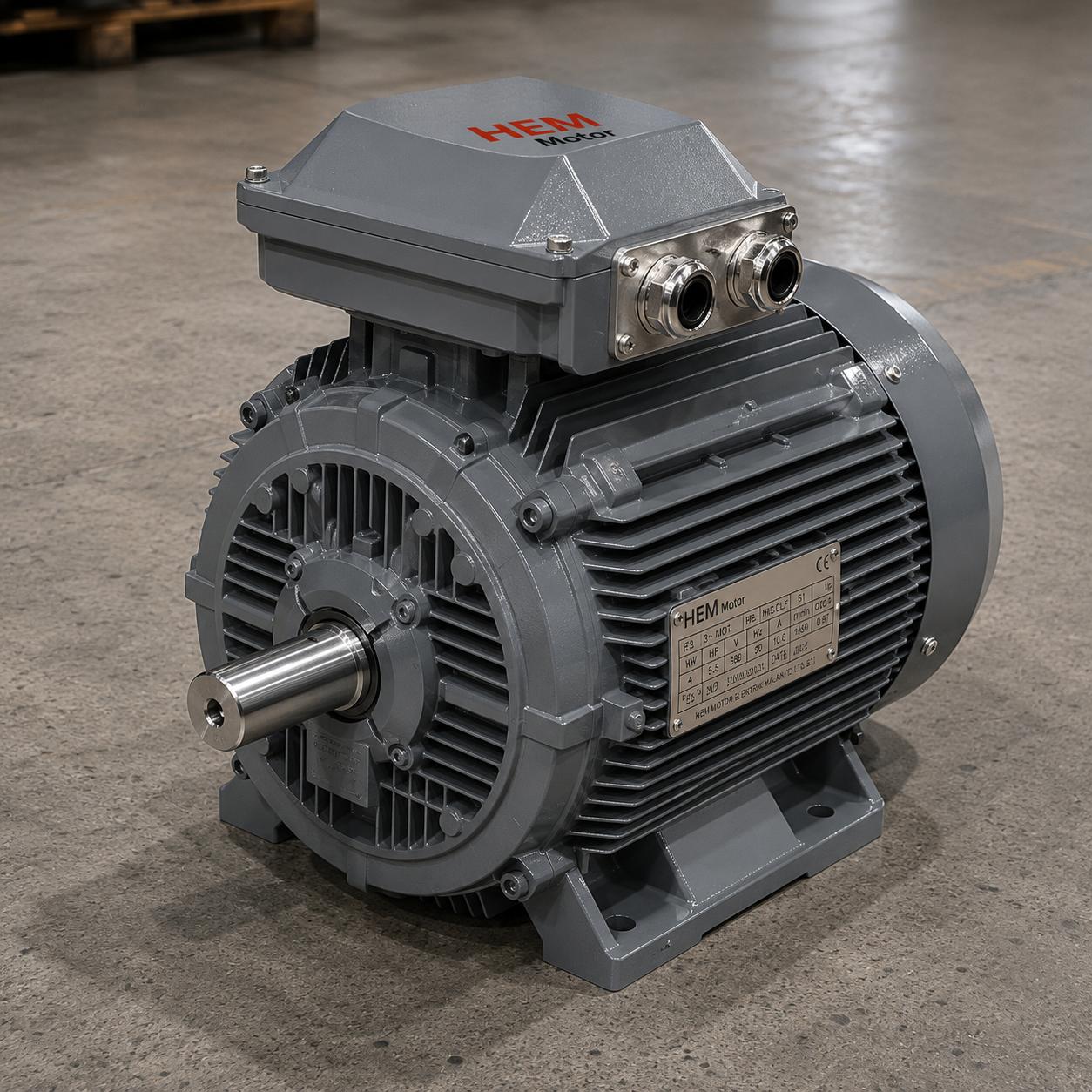
IE3 and IE4 Efficiency: The Scale of Savings at High Power
When a large motor such as 160 kW runs continuously, even small percentage differences between efficiency classes turn into large figures in annual energy cost. That is why, at high power, the efficiency class is at the centre of the purchasing decision.
| Criterion | IE3 Premium Efficiency | IE4 Super Premium Efficiency |
|---|---|---|
| Typical application | Standard heavy-industry drives | Continuously running large pumps, fans, compressors |
| Annual energy impact | Low consumption | Lower consumption, fast payback |
| Heating and life | Low heating | Lower heating, higher thermal margin |
| Initial investment | More economical | Slightly higher |
On a line that runs non-stop across a shift, an IE4 electric motor pays for itself at a surprising speed once you multiply the efficiency gap by the running hours. For standard run times, an IE3 electric motor stands out on price-performance. Share your run time and load profile and we will provide a comparative fast quote for both classes.
Starting the 160 kW Motor: DOL, Star-Delta, Soft Starter and VFD
One of the most critical topics for high-power motors is the starting method. When a 160 kW motor is started direct-on-line (DOL), it draws a very high inrush current from the grid; this both stresses the supply and creates a sudden mechanical torque shock. For this reason, soft starting is usually preferred at this power.
- Star-delta: The classic method that reduces inrush current; an economical solution for suitable load types.
- Soft starter: Ramps up inrush current and torque shock gradually, protecting both the grid and the mechanics.
- VFD (variable frequency drive): Provides both soft start and speed control; ideal for energy savings on pumps and fans.
In drive-fed operation, details such as winding insulation, bearing-current protection and forced cooling become important. If you tell us which starting method you will run your 160 kW motor with, we will quote with a matching winding and accessory configuration.
Mounting, Lifting and Commissioning
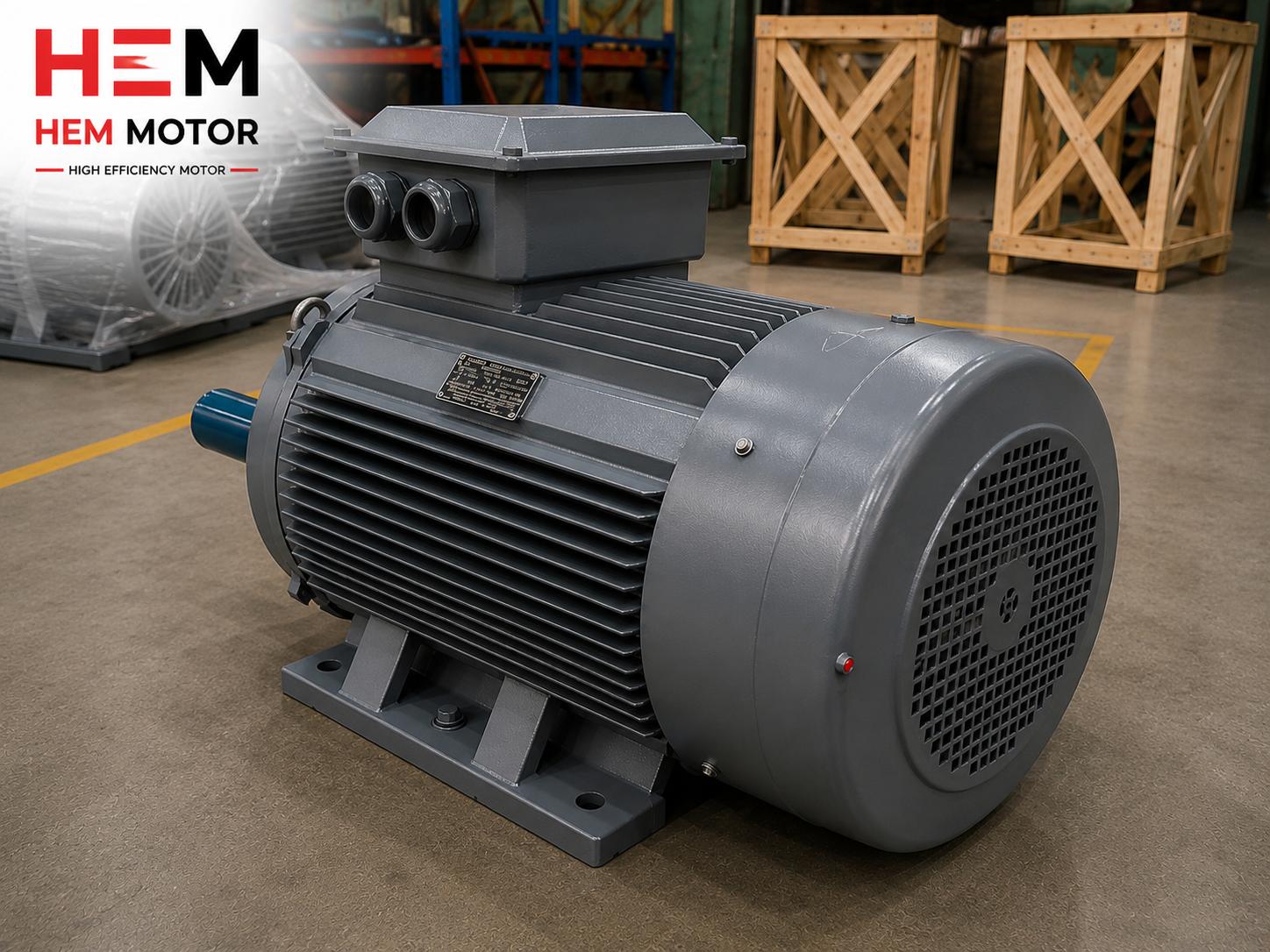
For motors of this scale, logistics and installation are inseparable from the purchase. A frame-315 motor is seriously heavy; it should not be dispatched without planning lifting eyebolts, crane handling and base mounting.
- Lifting and handling: Eyebolts suited to the motor weight and crane capacity must be determined in advance.
- Base and alignment: A solid base and precise coupling alignment are essential for vibration-free operation.
- Terminal box orientation: Selected according to the panel and cable entry side.
- Protection class: IP55 or higher protection is preferred according to the environment.
We deliver your high-power motors in pallet and crate packaging, undamaged and complete. You can use our technical support for insulation, rotation-direction and vibration checks before commissioning.
Why Buy from the Manufacturer?
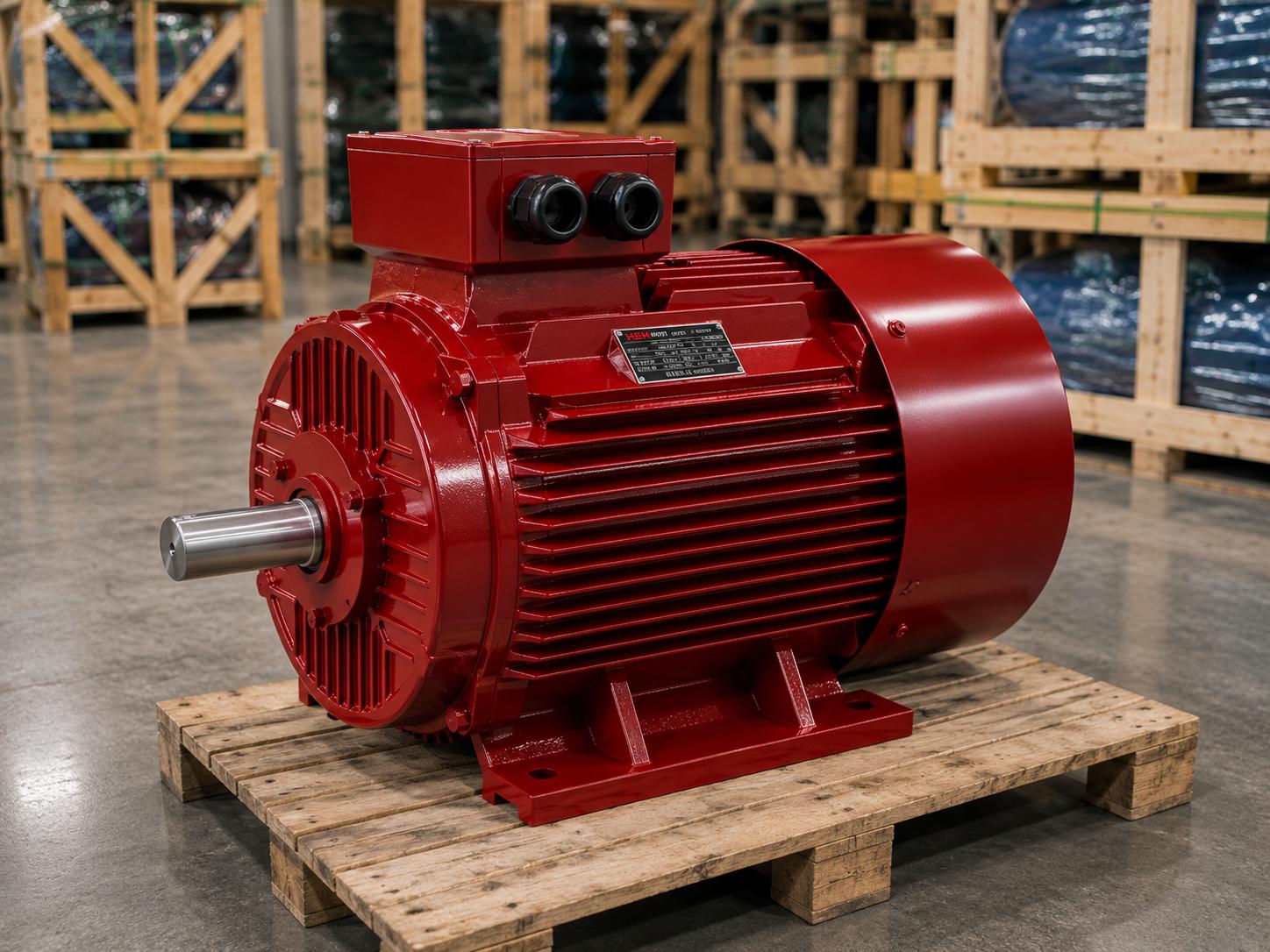
At high powers such as 160 kW, buying from the manufacturer means not only a price advantage but also technical assurance and supply continuity. As an address with manufacturing infrastructure, HEM Motor keeps the most in-demand high power-speed combinations in stock and offers fast-dispatch priority in urgent needs. Because an unexpected failure of a motor at this power can halt production, fast access to a spare motor directly prevents production loss.
Another advantage of buying from the manufacturer is that the configuration is set up correctly from the very start. We define the frame, pole, efficiency class, starting method and accessory options together according to your need. For projects and bulk purchases we offer competitive and flexible solutions on electric motor prices. For current stock and pricing, you can request a fast quote through HEM Motor. For detailed information on our high-power range you can review our power and speed options content.
Typical Application Areas of the 160 kW Motor
This rating drives a facility's main energy-consuming equipment. 160 kW is one of the standard power steps for medium-to-large processes and appears frequently in these applications:
- Large centrifugal and vertical-shaft pumps: In water supply plants, lifting stations and industrial process pumps.
- High-flow fans and exhausters: On flue-gas ID fans, large ventilation and dust-collection systems.
- Screw and piston compressors: On large compressor units producing continuous compressed air.
- Crusher and mill drives: Driving heavy-starting loads in stone-crushing, screening and grinding plants.
- Belt conveyor and elevator lines: As the main motor of long belts in mining and raw-material handling systems.
Since each application requires a different torque, starting and duty profile, it is important to define speed, starting method and duty type alongside the power. For your heavy-industry drives you can review our stone-crushing plant motors category, and for general industrial drives our general-purpose industrial motors page.
Protection, Cooling and Operating Environment
On a large motor such as 160 kW, heat management and protection class are criteria that directly determine service life. Because these motors operate at high power density, choosing the right cooling and a suitable protection class is critical.
- IP55 and above protection: Standard protection against dust and water spray; higher IP is preferred in open and wet environments.
- IC411 self-cooled design: The standard fan-cooled version; sufficient for most continuous applications.
- Forced cooling: An external fan is recommended in applications requiring continuous high torque at low speed with a VFD.
- F/H insulation class: Class H insulation provides extra thermal margin in high-temperature environments.
In drive-fed operation, accessories such as shaft grounding against bearing currents and winding temperature monitoring (PT100) also extend motor life. When you state your ambient conditions and operating profile, we recommend the right cooling, protection and insulation configuration for long, trouble-free operation. These details significantly lower the total cost of ownership of a high-power investment. For current stock and electric motor prices you can contact our team.
Frequently Asked Questions
Which frame is the 160 kW motor produced in?
The standard 4-pole 160 kW motor is mostly in frame 315. The 2-pole version may be in a different frame. If you are replacing an existing motor, stating the frame and mounting code on the nameplate guarantees replacement compatibility.
How should I start a 160 kW motor?
At this power, a soft starter or VFD is recommended instead of direct-on-line starting. On pumps and fans a VFD also provides energy savings. State your load type and we will quote the most suitable starting method.
Should I buy IE3 or IE4?
On continuously running high powers, the IE4 efficiency gap yields a clear gain in annual energy cost and pays back quickly. For standard operation, IE3 is economical. Share your run time and we will provide a comparative quote.
Can I get a 160 kW motor from stock?
We take care to keep the most-requested 2- and 4-pole IE3/IE4 versions in stock. For an exact delivery time, ask about stock status and request a fast quote.
How are delivery and handling carried out?
High-power motors are delivered in pallet and crate packaging with lifting eyebolts. You can use our technical support for crane and installation planning.
To source the right 160 kW motor from stock with the right starting and mounting solution, get in touch with us. Share your requirement and machine details and let the HEM Motor team deliver the high-power motor that fits you exactly with a fast quote and fast dispatch. For efficiency-focused alternatives review our IE3 efficient electric motors and IE4 electric motors pages, and for the best electric motor prices review our homepage.